
 EN
EN
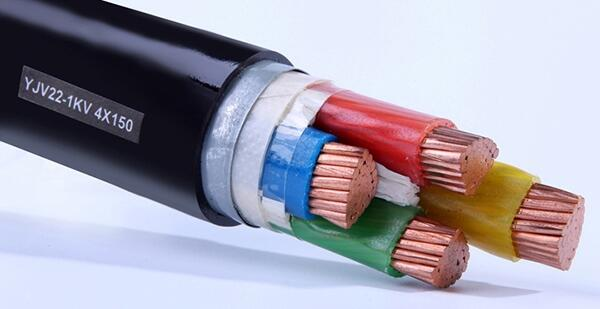
Functional Purpose: Power Delivery vs. Signal Control
How Electrical Equipment Wires and Cables Are Optimized for Distinct Roles
Wires and cables used in electrical equipment actually have pretty different jobs to do. Power cables are all about moving large amounts of current to run things like motors, lights, and various machines around the facility. Because they carry so much electricity, these cables need to be built tough enough to handle the load without losing too much power along the way or getting dangerously hot. On the other side of things, control cables work with much lower voltages. They send signals back and forth between components, kind of like how nerves send messages through the body. Think about sensors telling a machine when to start or stop, or relays switching circuits on demand. The difference in what these cables need to accomplish means manufacturers approach their design completely differently depending on whether they're making power or control cables.
- Power delivery prioritizes conductor cross-section and thermal resilience.
- Signal control emphasizes shielding against electromagnetic interference (EMI) and precise signal integrity. Misapplication such as using unshielded control cable in a noisy motor control panel or undersized power cable on a 100A circuit can cause voltage sag, thermal degradation, or catastrophic signal corruption.
Design Trade-Offs: High Current Capacity vs. Noise Immunity and Precision
When picking out wires and cables for electrical equipment, engineers always run into those tough choices between different options. Power cables are built to handle lots of current thanks to their thick copper or aluminum cores wrapped in stuff like XLPE insulation. But there's a catch - these heavy duty cables aren't very flexible at all, making them harder to work with during installation. On the flip side, control cables go for much thinner strands inside and come with multiple layers of protection against interference. They typically have both foil and braided shielding which helps block out electromagnetic noise. This matters a lot because it keeps those tiny voltage signals clean even in places where there's tons of electrical activity going on, like busy factory floors or areas close to variable frequency drives.
| Design Priority | Power Cables | Control Cables |
|---|---|---|
| Core Focus | High current transmission | Signal accuracy |
| Critical Feature | Ampacity & heat resistance | EMI shielding |
| Compromise | Limited flexibility | Lower current handling |
Purpose-driven selection is non-negotiable: power cables for energy transfer (e.g., 480V motor feeds), control cables for instrumentation and logic circuits.
Electrical Ratings: Voltage, Current, and Load Capacity
Voltage Classifications: Why Control Cables (300–600 V) Differ from Power Cables (0.6/1 kV+)
Control cables generally handle much lower voltages (around 300 to 600 volts) since they transmit control signals rather than actual power. We see this in their application across relays, PLC input/output systems, and various sensor networks where getting accurate readings matters more than moving large amounts of electricity. Power cables tell a different story entirely. These start at around 0.6 or 1 kilovolt and can go all the way up to over 35 kilovolts for big distribution systems. The higher voltage means thicker insulation layers and extensive testing to make sure they won't fail when stressed by heavy electrical loads. By keeping these voltage ranges separate, engineers avoid adding extra insulation weight to control cables that don't need it, while still maintaining proper safety levels for those power lines that might be handling literally thousands of amps at once.
Conductor Sizing and Ampacity: Matching Electrical Equipment Wires and Cables to System Demands
The ampacity of a conductor basically means how much current it can handle before getting too hot. This directly affects what size conductor we need to install. For power cables dealing with those big loads over 100 amps, engineers typically go for something like 500 MCM copper because they have to deal with all that resistive heating. Control cables are different though. They work with tiny signals measured in milliamps so they don't generate much heat at all. That's why control wiring usually comes in sizes between 22 and 16 AWG. When figuring out what size wire works best, professionals consult the NEC ampacity charts but also factor in things like surrounding temperatures, how full the conduit is, and whether the load runs continuously or just occasionally. According to a recent study from EPRI in 2023, even a small problem matters a lot. Just running a cable at 10% above its rated capacity for long periods can cut the lifespan of the insulation almost in half.
Physical Construction: Shielding, Flexibility, and Core Configuration
Insulation, Sheathing, and Environmental Resilience in Industrial Electrical Equipment Wires and Cables
Industrial cables need to handle pretty rough conditions out there in the field, and how they're built tells us exactly what job they were made for. Take power cables for instance. These bad boys come with thick insulation made from stuff like cross linked polyethylene XLPE because it stands up well to heat and electricity. They also get wrapped in protective coverings that resist wear and tear plus oils, think chlorinated polyethylene or those low smoke zero halogen materials. Control cables work differently though. They usually have thinner plastic coatings such as PVC or polypropylene so they can bend easier and fit nicely into crowded control boxes without causing headaches. Both types are designed to last through tough environments too. Manufacturers throw in UV protection chemicals and special fillers that keep water away for cables sitting outside all day long. For places where chemicals are flying around like in drug factories or food processing facilities, the outer layer gets extra treatment to stay intact despite whatever messes happen nearby. Industrial grade cables certified for serious duty can handle temperatures ranging from minus 40 degrees Celsius right up to 90 degrees Celsius. They pass tests showing they won't crush easily under pressure over 1500 Newtons per centimeter and still flex after repeated bending without breaking down.
Core Count, Shielding, and EMI Protection: Critical for Reliable Control Circuits
Reliable control circuits depend on predictable signal behavior driving specialized core configurations and shielding strategies. Multi-core designs (4–60 cores) consolidate parallel signal paths into a single assembly, reducing panel clutter and installation time. EMI shielding is essential:
- Foil shielding provides full 100% coverage for high-frequency noise rejection
- Braided copper shields add mechanical strength and improve low-frequency attenuation
- Hybrid foil-braid shields combine both for mission-critical applications like servo feedback loops Effective shielding requires 360° grounding at termination points; improper grounding renders even high-spec shielding ineffective. Studies show properly implemented EMI mitigation reduces communication errors by up to 90% in motor control systems. For dynamic applications robotic arms, automated conveyors spiral shielding offers optimal balance of flexibility and moderate noise suppression.
Application-Specific Selection Guidelines for Industrial Electrical Equipment Wires and Cables
Choosing the right electrical wires and cables means matching what's on paper with how things actually work in the field. Start by checking if the voltage and current ratings fit what the system needs. Power cables usually handle 0.6/1 kV and above for distribution systems carrying heavy loads, while control cables typically deal with voltages below 600V for signaling purposes. Look at the environment where they'll be used too. Chemicals, heat extremes, moisture, and UV radiation all matter when picking insulation materials. For areas where cables bend constantly like robotic arms or packaging machines, go for fine stranded conductors wrapped in something flexible like TPE or PUR jackets. Don't forget about mechanical strength either. Check how well cables stand up to wear and tear from friction, pressure, or impacts, especially in places where people walk around a lot. When dealing with electromagnetic interference issues, shielded cables or twisted pairs make sense as long as proper grounding is part of the installation plan. Following standards like IEC 60228 for wire stranding and NEC Article 400 for flexible cords isn't optional it's basic safety stuff. The key thing though is making sure all these specs match up with actual conditions on site rather than just looking at what manufacturers list in their catalogs. Getting this right means fewer breakdowns, meeting regulations, and keeping production running smoothly over time.
FAQ
What are the main differences between power cables and control cables?
Power cables are designed to transmit large amounts of current for machinery and lighting, emphasizing thermal resilience and high ampacity. Control cables operate at lower voltages to transmit signals and prioritize EMI shielding for signal integrity.
Why are EMI shieldings important for control cables?
EMI shielding is crucial for control cables as it helps block out electromagnetic noise, which can cause significant signal interference, leading to errors in systems like motor controls and robotics.
How do environmental factors affect cable selection?
Cable selection must consider environmental factors such as temperature extremes, moisture, chemical exposure, and UV radiation to ensure durability and performance under operational conditions.