
 EN
EN
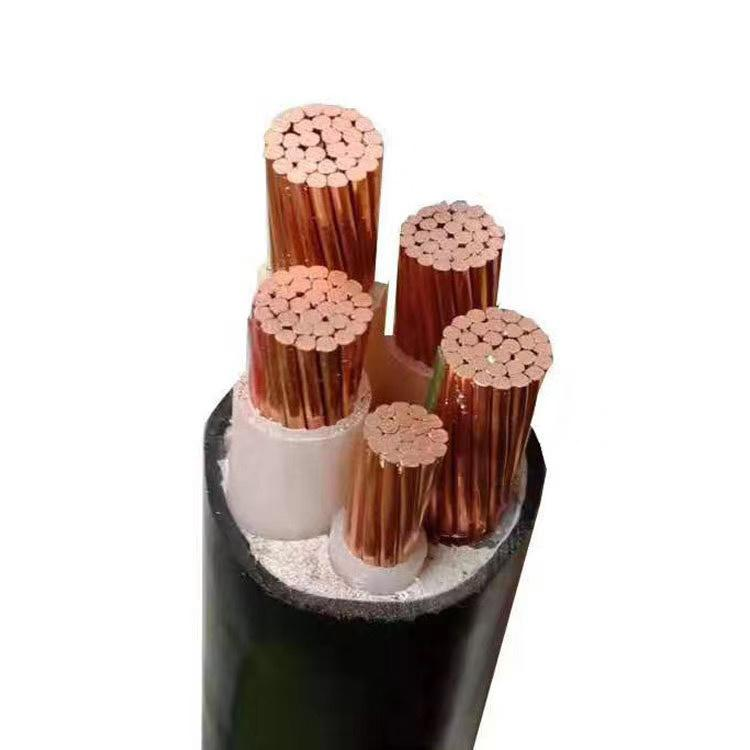
Why Low Voltage Power Cables Are Critical for Mall Safety and Reliability
LV Standards and Regulatory Context: IEC 60364, NEC Article 300, and Local Compliance
The low voltage power cables used in malls (those operating under 1,000 volts AC) are really important for keeping everyone safe electrically speaking. These cables need to follow strict rules set by both international and local regulations. Take IEC 60364 for instance, which acts as the main guideline worldwide for electrical setups inside buildings. This standard makes sure there's enough insulation resistance and proper earth fault protection so nobody gets shocked. Over here in America, the National Electrical Code has its own section called Article 300 that lays out exactly how cables should be routed, spaced apart, and supported throughout commercial properties. Studies show following these guidelines can cut down arc flash accidents by around two thirds in places like shopping centers. Different regions tweak these basic ideas too. Some areas require special flame resistant coatings on cables where lots of people walk through regularly to tackle specific fire risks. And let's not forget what happens when businesses ignore these rules. The fine alone can go past seven hundred forty thousand dollars according to OSHA from last year, plus any insurance claims related to electrical problems might not even get paid out if they weren't following the proper codes all along.
Advantages of Low Voltage Power Cables Over Medium Voltage in Retail Environments
Low voltage power cables have become a must-have solution for busy retail environments where safety is paramount. Medium voltage systems above 1,000 volts need special containment measures and come with serious risks like arc flashes and dangerous touch voltages. Low voltage systems let technicians work safely even while stores are open, so there's less downtime when lights go out or HVAC systems need fixing. These cables make it much easier to connect with critical safety equipment too. Think about exit signs and fire alarms that need reliable power all the time. Plus, they create far less electromagnetic interference compared to higher voltage options, meaning point-of-sale machines and security cameras keep working properly without unexpected glitches. What's really important for building codes? Low voltage wiring works well with LSZH materials that produce minimal smoke and no toxic gases in case of a fire, something absolutely necessary for those tight corridors shoppers might need to evacuate through.
Key Technical Criteria for Selecting Low Voltage Power Cables in Malls
Fire Performance: LSZH, IEC 60332-3, and NFPA 130 Requirements for Public Assembly Spaces
When it comes to busy retail spaces with lots of people, fire resistant low voltage cables aren't optional they're essential. The LSZH material used in cable jackets actually reduces the amount of harmful fumes released when things catch fire, which makes getting out of buildings much safer for everyone inside. Meeting those important standards like IEC 60332-3 for how flames spread and NFPA 130 regarding transit areas keeps smoke levels under control at around 0.15 optical density per foot measurement. And in those big shopping centers with multiple floors, we need what's called Category A fire resistance. This basically means that if there's ever a fire, the flames won't travel vertically more than about 1.5 meters through cable trays during testing conditions.
Thermal Management and Ampacity for 24/7 Operation Across Multi-Level Cable Runs
Getting accurate ampacity calculations is really important when dealing with continuous lighting systems and HVAC equipment. There are several factors that require derating considerations. For instance, when multiple cables are bundled together inside conduit, we need to refer to NEC Table 310.15(B)(3)(a) for adjustments. The same goes for environments where ambient temperatures climb above 30 degrees Celsius, which calls for looking at IEC 60502 derating curves. Vertical cable runs that go through more than three floors present another challenge, needing an extra 15% thermal margin in our calculations. Using wires that are too small can lead to problems with insulation breaking down over time. That's why engineers specify 90 degree Celsius rated XLPE insulation, which maintains its structural properties even when carrying sustained electrical loads of around 45 amps per square millimeter.
Voltage Drop Control in Extended Layouts: Calculating Conductor Size and Routing Strategy
When it comes to branch circuits, keeping voltage drop below 3% is essential according to NEC 210.19(A). The formula for calculating this looks like VD equals (2 times L times I times R) divided by 1000. Here's what each variable means: L stands for circuit length in feet, I represents current in amps, and R refers to conductor resistance measured in ohms per thousand feet. Let's put this into practice. Take a 500 foot long feeder handling 100 amps of current. Using 4/0 copper wire gets us down to around 2.8% voltage drop, whereas going with 2/0 copper jumps that number up to 3.9%. That difference might seem small, but it can have real impacts on system efficiency. How we route these circuits also matters a lot. Electricians generally find that radial configurations work better than those daisy-chained setups when feeding power to large commercial spaces like anchor stores. The radial approach tends to distribute power more evenly across the load points.
Material, Construction, and Lifecycle Considerations for Low Voltage Power Cables
Copper vs. Aluminum Conductors: Total Cost of Ownership in High-Load Mall Circuits
The fact that copper has about 40 percent less resistivity means it cuts down on energy loss when used in those heavy duty circuits found in places like food courts and regular lighting systems throughout buildings. Sure, aluminum might cost around 30 to 40 percent less at first glance, but because it has higher resistivity, we need bigger wires just to get the same current capacity. This actually takes up roughly 25% more space inside conduits for standard mall setups. Looking at things over two decades though, studies from commercial building efficiency reports show copper comes out ahead with total ownership costs being 15 to 20% cheaper overall. Why? Simply put, copper lasts longer and doesn't need fixing as often. And let's not forget aluminum tends to oxidize easily which creates extra work for electricians maintaining wiring systems in damp mall areas where moisture is always an issue.
Armoring, Shielding, and Jacketing Options for Shared Conduits with HVAC and Data Infrastructure
When sharing pathways with HVAC and data infrastructure, low voltage power cables require layered protection. Steel wire armoring (SWA) delivers crush resistance at structural penetrations. In data-dense zones—like control rooms—dual-layer foil-braid shielding preserves signal integrity against EMI. Jacketing must be application-specific:
- LSZH for public corridors (fire safety)
- Polyurethane for oil resistance near food courts
- UV-stabilized compounds for rooftop exposure
To prevent cross-talk, maintain 12-inch separation from data cables or use continuous metallic shielding, aligned with TIA-568 standards.
Vendor Selection and Certification Verification for Low Voltage Power Cables
When choosing vendors for electrical systems in commercial buildings, sticking to those who meet IEC 60364 requirements, NEC Article 300 guidelines, and local safety codes isn't just good practice but absolutely necessary for safe mall operation. The best approach is to work with suppliers whose products have been tested and approved by labs accredited under ISO/IEC 17025 standards, particularly when it comes to how materials perform under fire conditions and their overall structural integrity. Documentation matters too. Ask for clear evidence of certifications like UL or cUL in North America markets, CE or LVD markings for European installations, and confirmation that materials comply with RoHS regulations regarding hazardous substances. Annual audits of manufacturer testing procedures should be standard practice, especially looking at things like LSZH cable smoke toxicity levels and whether voltage remains stable over long cable runs. These checks help prevent counterfeit components from entering the supply chain and ultimately ensure that wiring systems will last around 25 years even in busy retail spaces where reliability is paramount.
FAQ Section
What are low voltage power cables used for in malls?
Low voltage power cables are used in malls for electrical safety, ensuring continuous power supply to critical safety equipment, reducing electromagnetic interference, and facilitating safer maintenance practices.
Why are LSZH materials important in mall cables?
LSZH (Low Smoke Zero Halogen) materials are important because they minimize the release of toxic gases and smoke during a fire, making evacuation safer.
How does copper compare to aluminum in wiring?
Copper is favored due to its lower resistivity, longer durability, and reduced energy losses, despite aluminum's lower initial costs.
What factors affect voltage drop in mall circuits?
Voltage drop in mall circuits is influenced by circuit length, current load, conductor resistance, and the routing strategy adopted.
Table of Contents
- Why Low Voltage Power Cables Are Critical for Mall Safety and Reliability
- Key Technical Criteria for Selecting Low Voltage Power Cables in Malls
- Material, Construction, and Lifecycle Considerations for Low Voltage Power Cables
- Vendor Selection and Certification Verification for Low Voltage Power Cables
- FAQ Section