
 EN
EN
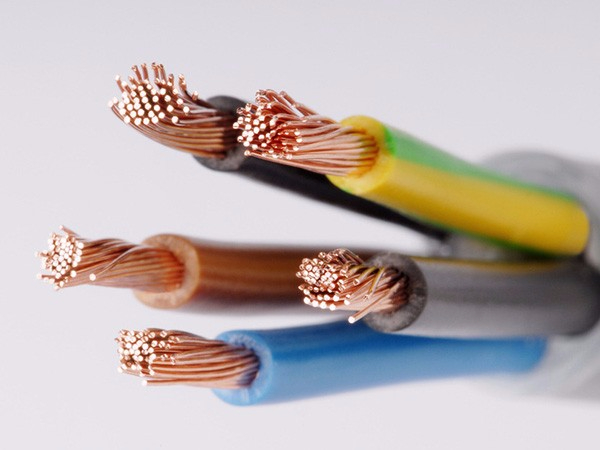
Core Specifications of Standard Lighting Wires
Conductor Material, AWG vs. Metric Gauge (e.g., 0.75mm², 1.5mm²), and Insulation Types
Selecting appropriate standard lighting wires hinges on three interrelated specifications: conductor material, gauge system, and insulation type. Copper is the preferred conductor globally—offering 100% IACS conductivity and strong corrosion resistance—while aluminum is occasionally used where weight savings justify larger gauges and specialized termination practices.
There are basically two main wire sizing systems in use around the world. In North America, most people stick with AWG (American Wire Gauge). The National Electrical Code requires at least 14 AWG (which measures about 2.08 mm²) for standard 15-amp lighting circuits according to NEC Article 310 from 2023. Most other countries have gone metric instead. For regular lighting work, many places follow IEC 60227 standards from 2020 as well as BIS IS 694, which typically call for a minimum of 1.5mm² wire (roughly equivalent to 16 AWG). It's important to note that these wires aren't interchangeable when it comes to how much current they can handle or their actual size. Trying to swap them directly without checking the electrical load and calculating voltage drops could lead to problems down the road like poor performance or even dangerous overheating situations.
Insulation selection directly governs safety and application scope:
- PVC is cost-effective and sufficient for dry, indoor residential use with 60°C thermal rating.
- THHN/THWN, with its nylon overcoat, supports 90°C operation and moisture resistance—ideal for conduit runs in damp locations.
- Flame-retardant formulations, required by NFPA 70 and IEC 60227, reduce fire propagation risk during electrical faults—studies indicate such insulation cuts flame spread by up to 72% compared to non-rated alternatives (NFPA Electrical Fire Safety Report, 2023).
| Specification | AWG Equivalent | Metric Standard | Key Application |
|---|---|---|---|
| Conductor Material | Copper (14 AWG+) | Copper (1.5mm²+) | Balance conductivity/durability |
| Current Capacity | 15A (14 AWG) | 10A (1.5mm²) | General lighting circuits |
| Insulation Type | THHN (90°C) | PVC (60°C) | Environment-specific protection |
Always confirm voltage rating (minimum 300V for residential lighting), moisture resistance (XLPE or THWN for outdoor/damp use), and regional compliance—especially regarding ampacity derating, flame spread (e.g., NEC Article 334.80), and mechanical protection requirements.
Matching Standard Lighting Wires to Load, Distance, and Circuit Type
Calculating Load Capacity for Modern LED vs. Legacy Incandescent Lighting Circuits
The shift to LED lighting has completely changed how we calculate electrical loads. Take a standard 9 watt LED bulb for example it produces the same amount of light as a traditional 60 watt incandescent bulb but only pulls about 0.075 amps at 120 volts compared to roughly 0.5 amps from those old fashioned bulbs. That represents an impressive 85 percent drop in current draw. What this really means is that most existing 14 American Wire Gauge circuits rated for 15 amps can actually handle many more lights before needing any rewiring work done. Still there's one important rule to remember when it comes to wiring sizes. The gauge of the wire needs to match what the circuit breaker is rated for. So if someone has a 15 amp breaker they should stick with 14 AWG wiring, while 20 amp breakers require 12 AWG wires no matter what kind of load they're actually carrying.
Getting the load calculations right is pretty important stuff. Basically, what needs to happen is someone adds up all those watts from whatever fixtures are connected to the circuit, divides that total by the system voltage, and then throws in an extra 20% just to be safe. Let's say there are ten LED lights each rated at 9 watts. That math works out to around 0.75 amps on a standard 120 volt line, which leaves plenty of room before hitting the 15 amp limit. Makes sense to leave some breathing space for when folks decide to add more stuff later. Now compare that to old fashioned incandescent bulbs doing the same job. Those same ten fixtures would pull about 5 amps instead, getting dangerously close to a third of what the circuit can handle. And this kind of near capacity operation creates real problems down the road as wires get hotter than they should and connections start working overtime.
Voltage Drop Analysis: Why 1.5mm² Is Often the Practical Minimum for Reliable Performance
Voltage drop becomes critical beyond short runs, especially with sensitive LED drivers that may flicker or shut down below ~90% nominal voltage. The NEC recommends ≪3% voltage drop for branch circuits to maintain performance and longevity. For a 10-meter, 120V circuit carrying 10A:
- 1.0mm² wire incurs ~5.4% drop—exceeding recommended limits
- 1.5mm² reduces drop to ~3.6%—marginally acceptable but common in practice
- 2.5mm² achieves ~2.2%, well within spec
For standard home lighting setups where current draw stays below 3 amps on LED circuits, 1.5mm squared wiring (about what we call 16 AWG) works really well. It balances out costs, how easy it is to install, and how it performs over distances up to around 25 meters. A lot of places actually require this thickness for lighting circuits no matter what calculations show. The European Union has regulations like this in several countries, and similar rules exist throughout India too. These requirements focus on making sure electrical systems stay reliable over time and can handle faults without failing completely.
Selecting the Right Standard Lighting Wire Type by Environment and Application
NM-B (Romex), THHN, and UF Cables — Where Each Fits in Residential Indoor Lighting
Residential lighting installations demand wire types matched precisely to environmental conditions and installation method—not just electrical specs. The three most common options serve distinct roles:
-
NM-B (Romex): The standard for dry, accessible interior spaces (walls, ceilings, attics). Its PVC-sheathed, multi-conductor design simplifies stapling and routing, and meets NEC Article 334 requirements for flame resistance and mechanical protection in concealed applications.
-
THHN/THWN: Used exclusively within conduit, not as standalone cable. Its thermoplastic insulation with nylon jacket resists moisture, abrasion, and heat—making it ideal for damp basements, garages, or exposed surface runs where NM-B would be prohibited.
-
UF (Underground Feeder): Though engineered for direct burial, UF’s integral moisture- and sunlight-resistant jacket also makes it suitable for high-humidity indoor areas like crawl spaces or unfinished sheds—provided local codes permit its use in those contexts.
For standard residential lighting—dry, concealed, interior—it’s straightforward: NM-B is the default choice. Reserve THHN for conduit-based retrofits or damp zones, and UF only where verified moisture exposure exists and local amendments allow indoor use.
Ensuring Compliance with Regional Standards for Standard Lighting Wires
NEC (Article 334), IEC 60227, and BIS IS 694 — Key Requirements and Cross-Reference Guidance
Electrical safety isn’t universal—regional standards define what qualifies as “standard lighting wire” in practice. Misalignment between product specifications and jurisdictional requirements is a leading cause of failed inspections and avoidable hazards.
-
NEC Article 334 (USA/Canada): Governs NM-B cable use—requiring flame-retardant, moisture-resistant jackets and prohibiting installation in wet locations, ducts, or exposed outdoor settings unless specifically rated. Amendments like California Title 24 further mandate energy-efficient labeling and conductor marking for lighting circuits.
-
IEC 60227 (International): Sets global benchmarks for PVC-insulated cables—specifying minimum conductor flexibility (Class 5 stranding for 0.75mm²+), 300/500V rating, and mandatory flame retardancy (IEC 60332-1). It does not permit direct use of IEC-rated wires in NEC-governed installations without UL listing or equivalency certification.
-
BIS IS 694 (India): Imposes stringent material testing—requiring ¥100 MΩ/km insulation resistance and certified PVC compound formulations resistant to UV, heat, and chemical degradation. All lighting wires sold in India must bear the BIS hallmark.
Those third party certifications like UL, CE, and BIS aren't just fancy stickers for show they actually mean something real when it comes to meeting safety standards. According to data from the Electrical Safety Foundation, around 60 percent of residential electrical problems that could have been avoided often start with wiring that doesn't match building codes or gets used incorrectly (their annual report from last year backs this up). If there's any question at all about what needs to be done, getting help from a qualified electrician who knows the local rules makes sense. And here's something important nobody tells us enough about don't ever swap out cables just because they look similar in size. Always check those specs first insulation type, voltage capacity, and whether they'll work properly in whatever environment they're going into.
FAQ
- What factors should be considered when choosing lighting wires? Key considerations include conductor material, gauge system, insulation type, load capacity, distance, and compliance with regional standards.
- What is the difference between AWG and metric gauge? AWG (American Wire Gauge) is used mainly in North America, whereas metric gauge is used globally. They differ in sizing systems, affecting current capacity and physical dimensions.
- Why is 1.5mm² often the practical minimum for reliable performance? It balances cost, ease of installation, and performance over distances up to around 25 meters, making it a common requirement in many regions.
- What type of cable should be used for indoor residential lighting? NM-B is typically used for dry, concealed interior applications, THHN for conduit-based installations or damp zones, while UF is reserved where moisture exposure exists and local codes permit.
- Why are third-party certifications important for lighting wires? Certifications like UL, CE, and BIS ensure that the wiring meets safety standards and complies with regional building codes, preventing avoidable hazards.