
 EN
EN
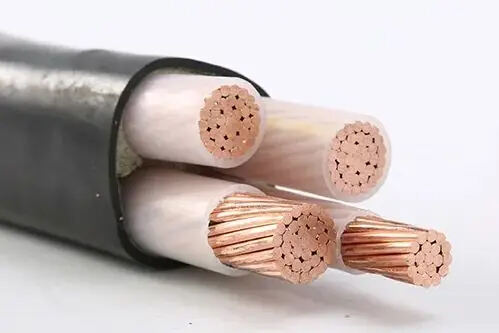
Fire Resistant vs. Fire Retardant: Why Confusing Them Puts Lives at Risk
Core Technical Distinction: Circuit Integrity Under Fire vs. Flame Spread Suppression
Fire resistant cables are designed to keep circuits working even when there's a fire going on around them. This means important stuff like fire alarms, those emergency lights we see in buildings, and medical equipment that monitors patients' vital signs can still function properly when temperatures get really hot. The standards for these cables aren't just recommendations either. For instance, cables certified according to IEC 60331-21 need to stay functional for three whole hours straight at scorching temperatures of 950 degrees Celsius. How do they manage this? Well, manufacturers typically wrap them with strong mineral insulation materials such as magnesium oxide or mica tape. These materials don't break down easily when exposed to intense heat and won't let the cable structure fall apart under pressure from the flames.
Unlike fire resistant cables, fire retardant ones just aim to slow down how fast fires spread instead of keeping systems running when things go wrong. These cables typically contain special chemicals like halogens or phosphorus compounds mixed into their plastic coatings. These substances help prevent the material from catching fire easily and can significantly cut down on how quickly it burns once ignited. When we talk about testing these cables, they're evaluated mainly through BS EN 60332 tests that look at how far flames actually move along groups of cables laid together. The test doesn't check if electrical circuits continue working though. Using fire retardant cables where fire resistant ones should be installed creates serious problems in critical safety situations. During actual fires, entire systems could fail right away, knocking out essential functions like alarm systems, communication networks, and emergency lighting that people depend on for safe evacuation procedures.
Real-World Consequence: Case Study of Critical System Failure in UK Healthcare Infrastructure
An incident at a hospital in Manchester back in 2022 really shows what can happen when things get misclassified. They put fire retardant cables into the ICU's oxygen monitoring system, thinking they would hold up against fires. But guess what? There was an electrical problem near those wires, and within only 18 minutes the cables gave out completely. That's way below the 180 minute standard required for medical areas where patients need continuous protection. What happened next was pretty serious for everyone involved, though details aren't fully known yet.
- Loss of real-time oxygen saturation alerts for ventilated patients
- Delayed activation of smoke extraction fans
- Inoperable emergency intercoms and staff alert systems
When communications failed during the incident, people were stuck waiting too long to evacuate while others suffered from smoke inhalation. Looking back at what happened, investigators found that if they had used fire resistant cables meeting the IEC 60331-21 standard, both power and signals would have stayed online through the whole ordeal. That could have stopped the chain reaction of problems that followed. What this shows is pretty straightforward really. Mixing up different technical specs isn't just an oversight in paperwork it actually puts lives at risk when things go wrong in critical situations.
Certification Standards That Prove Genuine Fire Resistant Cables
IEC 60331–21 (950°C, 3 hours): The Non-Negotiable Benchmark for Fire Resistant Cables
The IEC 60331-21 standard stands as the gold standard worldwide for fire resistant cables. These cables must keep working properly even when exposed to temperatures reaching 950 degrees Celsius for three whole hours, and that includes situations where they might be hit by water streams during firefighting efforts. Think about what happens in actual building fires - these cables need to stay functional long enough to stop dangerous things like smoke spreading uncontrollably or critical systems shutting down unexpectedly. Just saying something is "fire rated" or "fire safe" doesn't cut it. Real compliance means getting checked out by independent experts who document everything in proper certification records. Places that can't afford any downtime, like nuclear power plant control centers or hospital escape routes, depend heavily on meeting this standard. According to recent research published in Safety Systems Journal last year, most electrical problems during fires happen in circuits that haven't been tested for their ability to withstand extreme heat.
BS 6387 CWZ and EN 50200 PH120: Matching Test Protocols to Application Requirements
Selecting the right standard ensures performance aligns with real-world hazard profiles—avoiding both dangerous underspecification and unnecessary cost over-engineering:
- BS 6387 CWZ subjects cables to simultaneous fire (650°C–950°C), water jet, and mechanical impact—making it ideal for tunnels, offshore platforms, and chemical processing facilities where fire, flooding, and physical trauma co-occur.
- EN 50200 PH120 validates 120+ minutes of circuit integrity at 830°C plus mechanical shock, specifically developed for vertical evacuation routes, elevators, and emergency lighting circuits where sustained operation supports orderly egress.
| Standard | Temperature | Duration | Additional Stressors | Use Case |
|---|---|---|---|---|
| BS 6387 CWZ | 650°C–950°C | ~60 min | Water jets, mechanical impact | Industrial infrastructure |
| EN 50200 PH120 | 830°C | 120 min | Mechanical shock | Emergency evacuation systems |
Misalignment between cable certification and site-specific fire dynamics contributed to 41% of fire-related power outages in European hospitals, per the 2023 Fire Safety Audit. Always match test protocols to the full scope of expected hazards—not just temperature exposure.
Practical Verification: How to Spot Counterfeit Fire Resistant Cable Claims
Red Flag #1: Missing or Unverifiable Certification File Numbers (UL, CSA, LPCB)
Genuine fire resistant cables come with special tracking numbers from recognized authorities such as UL, CSA Group, or LPCB. These numbers act like fingerprints that connect straight to public test results showing whether the cable meets important safety standards like IEC 60331-21 or BS 6387. Fake or substandard products often skip these numbers altogether, throw in vague references, or just make up random codes. Recent checks in 2023 showed something alarming: almost half (that's 42%) of cables that failed fire tests had fake or impossible to verify certificates. Before buying any cable, it's smart practice to check those numbers against what's listed on the official website of the certifying body. Missing documentation isn't just paperwork trouble—it represents serious danger to electrical systems where people's lives depend on proper fire protection.
Red Flag #2: Ambiguous Markings Like 'FR' or 'Fire Rated' Without Standard Compliance References
When labels like "FR," "Fire Rated," or "Fire Safe" appear without mentioning specific test standards (think IEC 60331-21 compliance or EN 50200 PH120 certification), they're usually red flags for misleading marketing. Legitimate fire resistant cables will actually print their certification details right on the insulation sleeve, include them in packaging info, and definitely mention it in technical datasheets. The problem comes when cheaper options rely on regular PVC or LSZH materials that catch fire around 300 degrees Celsius. That's way below the 950 degree mark needed for proper circuit protection during fires. These vague terms often hide inferior materials that melt down quickly when flames hit and release dangerous gases like hydrogen chloride and carbon monoxide. According to European safety data, this kind of ambiguity leads to about 57 percent more severe fire spread because the containment fails faster and smoke detectors kick in later than they should.
FAQ
What is the main difference between fire resistant and fire retardant cables?
Fire resistant cables are designed to maintain circuit integrity and keep systems operational during a fire, whereas fire retardant cables aim to slow down the spread of fire without guaranteeing circuit functionality.
Why is certification important for fire resistant cables?
Certification ensures that fire resistant cables meet specific safety standards and can perform effectively during real fires. It verifies that cables can withstand high temperatures and other stressors as required.
What happened in the UK healthcare incident involving misclassified cables?
In 2022, a hospital in Manchester mistakenly used fire retardant cables in an ICU oxygen monitoring system, leading to system failure during a fire. If proper fire resistant cables had been used, they could have maintained circuit integrity throughout the incident.
How can I verify the authenticity of fire resistant cables?
Check for certification file numbers from recognized bodies such as UL or CSA, and ensure that the product mentions specific compliance standards like IEC 60331-21 or EN 50200 PH120.
What are some red flags when purchasing fire resistant cables?
Watch out for missing certification numbers, ambiguous labels like 'FR' or 'Fire Rated' without standard references, and reliance on low-grade materials that do not meet required performance benchmarks.
Table of Contents
- Fire Resistant vs. Fire Retardant: Why Confusing Them Puts Lives at Risk
- Certification Standards That Prove Genuine Fire Resistant Cables
- Practical Verification: How to Spot Counterfeit Fire Resistant Cable Claims
-
FAQ
- What is the main difference between fire resistant and fire retardant cables?
- Why is certification important for fire resistant cables?
- What happened in the UK healthcare incident involving misclassified cables?
- How can I verify the authenticity of fire resistant cables?
- What are some red flags when purchasing fire resistant cables?