
 EN
EN
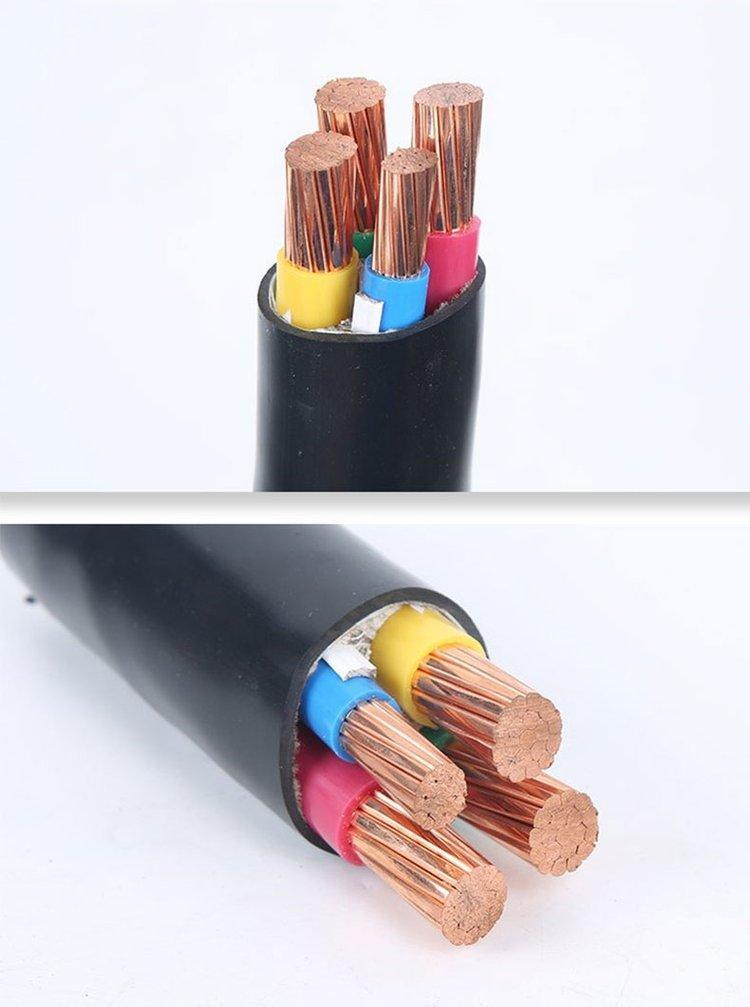
Halogen-Free Composition and Prevention of Acid Gas Emissions
How the Absence of Halogens Eliminates Hydrogen Halide Formation During Combustion
Regular cables that contain chlorine or bromine tend to produce corrosive hydrogen halides (like HCl or HBr) whenever they catch fire. Low Smoke Halogen Free (LSHF) cables tackle this problem right from the start by swapping out those problematic chemicals for something completely different. Instead of using materials with reactive halogens, manufacturers opt for mineral based flame retardants such as aluminum trihydroxide. When things go up in flames, traditional materials break down into free radicals which then combine with hydrogen to create dangerous acidic fumes. By eliminating the halogens altogether, we cut off this whole reaction chain before it even begins. What does this mean in practice? Well, tests show these special cables can slash acid gas emissions by around 90% compared to regular PVC options. That makes a real difference both for people working nearby during emergencies and for protecting buildings against gradual damage over time.
Comparative Data: HCl and HBr Emissions from PVC vs. LSHF Cables (IEC 60754-1)
Standardized testing under IEC 60754-1 quantifies the stark difference:
| Material | HCl Emission (mg/g) | HBr Emission (mg/g) | Toxicity Classification |
|---|---|---|---|
| Standard PVC | 140‒180 | 25‒40 | Severely corrosive |
| LSHF Compound | <5 | <2 | Negligible corrosion |
PVC consistently exceeds 150 mg/g of hydrogen chloride‒well above the 5 mg/g threshold for low-corrosivity classification. LSHF materials register near-undetectable levels, meeting the strictest environmental safety benchmarks. This empirical validation is why major infrastructure projects‒from metro systems to data centers‒increasingly mandate halogen-free cabling.
Reducing Corrosion Damage to Infrastructure and Electronics in Fire Conditions
Acid gases from burning PVC accelerate structural degradation: studies show steel reinforcement corrosion rates increase by 300% in HCl-rich environments. These gases also form conductive films on circuit boards, triggering electrical failures in critical systems. LSHF cables prevent such secondary damage by eliminating acid gas formation altogether:
- Structural Integrity: Load-bearing elements in buildings, tunnels, and bridges retain strength longer
- Equipment Protection: Fire alarms, emergency lighting, and control systems remain functional
- Cost Mitigation: Post-fire restoration expenses drop by an average of 40%
This passive protection extends far beyond flame resistance‒it safeguards functionality, safety, and investment during and after fire events.
Lower Smoke Density and Reduced Toxic Gas Emissions During Fires
Smoke Suppression Performance: LSHF vs. Conventional Cables (IEC 61034-2 Test Data)
According to IEC 61034-2 standards, Low Smoke Halogen Free (LSHF) cables cut down smoke production by around 80 percent compared to regular cables. When it comes to measuring how much light gets through smoke, these special materials typically maintain visibility above 60%, whereas traditional PVC cables drop under 15%. What makes this happen? Special additives in LSHF materials actually stop soot particles from forming, instead of just making the smoke less dense. Real world tests in simulated tunnel fires show something pretty impressive too. People have about 8 to 10 extra minutes to get out safely when there's less smoke blocking their view. That triples what someone would have in a space filled with PVC products during a fire. Less smoke means fewer soot deposits sticking to heating systems and building walls after a fire happens. Cleaning up afterward costs about 35% less according to research published in Fire Safety Engineering last year.
Toxicity Analysis: CO, HCN, and Dioxin Precursor Levels in Real-World Fire Scenarios
When LSHF cables catch fire, they produce far less carbon monoxide and hydrogen cyanide compared to standard cables. These two gases account for around three quarters of all deaths in fires. Tests that mimic actual building fires have found that LSHF cables can slash CO emissions by almost 90 percent and cut HCN levels down by about 85 percent. What makes them special is their design without halogens, which gets rid of those nasty dioxin precursors such as chlorobenzenes. Dioxins are really bad stuff they stick around forever in the environment and build up in our bodies, eventually causing cancer. They only form when things containing chlorine burn. So by getting rid of halogens altogether, LSHF cables stop these dangerous chemicals before they even start forming. The real world proof came in Munich last year after workers retrofitted the subway system with these cables. When they tested air quality during simulated emergencies, the amount of toxic gases fell under 5 parts per million, right within safe limits set by the World Health Organization for breathing air.
Compliance with Key Environmental and Safety Standards
Alignment with RoHS: Elimination of Lead, Cadmium, and Other Hazardous Substances
LSHF cables meet all requirements of the EU's RoHS Directive (2011/65/EU) by getting rid of harmful materials like lead, cadmium, mercury, hexavalent chromium, and specific brominated flame retardants that are banned under this regulation. The problem with these substances is they can damage ecosystems when they leach into soil and water after being thrown away, or worse still, expose factory workers who handle them during production and later when recycling old cables. Instead of using these dangerous chemicals, LSHF technology switches to safer options such as non-halogenated polymers along with minerals as substitutes. This approach stops toxic substances from migrating into the environment and cuts down on the risk of these toxins building up in living organisms over time. For manufacturers, following RoHS standards isn't just something extra they do - it's actually built right into how LSHF materials are designed from the start.
IEC 60754-2 and IEC 61034 Certifications as Markers of Eco-Friendly Cable Selection
IEC 60754-2 confirms low acid gas emissions (<0.5% HCl by mass), while IEC 61034 verifies minimal smoke density (light transmittance >60%). Together, they provide objective, third-party validation of environmental safety:
| Standard | Key Metric | Environmental Impact |
|---|---|---|
| IEC 60754-2 | Acid gas concentration | Prevents atmospheric and surface corrosion |
| IEC 61034 | Smoke opacity | Enhances life safety and reduces cleanup toxicity |
Dual certification supports compliance with EU Construction Products Regulation (EU No. 305/2011) and LEED v4.1 MR Credit: Building Product Disclosure and Optimization – Environmental Product Declarations. Certified installations also lower post-incident remediation burdens by limiting hazardous residue generation.
Minimization of Post-Fire Environmental Contamination
Reducing Soil and Water Pollution Risks from Acidic Byproducts of PVC Combustion
When PVC burns, it gives off hydrochloric acid (HCl) that makes soil and water systems more acidic over time. This creates lasting environmental problems that need special cleanup work including digging out contaminated areas, applying neutralizing agents, and keeping an eye on things for years after the fact. Low Smoke Halogen Free (LSHF) cables solve this problem by removing all halogen content from the equation right at the source, so no HCl gets formed during fires. The absence of these harmful acids means they don't seep into groundwater supplies or ruin farmland, allowing nature to bounce back quicker. Recent testing in 2023 showed just how bad things get when PVC catches fire compared to LSHF alternatives. Soil samples taken after controlled burns had pH levels dropping below 3.5 in PVC cases, which is extremely corrosive. Meanwhile, samples from LSHF material tests stayed within normal ranges around 6.5 to 7.2 even after similar exposure to heat and flames.
Case Study: Hospital Renovation in Berlin Using LSHF Cables and Measured Drop in Cleanup Toxicity
A Berlin hospital retrofit replaced legacy wiring with LSHF cables. During a controlled electrical fire, toxicity measurements confirmed dramatic reductions in hazardous residues:
| Contaminant | PVC Cable Site | LSHF Cable Site | Reduction |
|---|---|---|---|
| Hydrochloric acid | 4,200 ppm | 11 ppm | 99.7% |
| Heavy metals | 38 µg/L | <2 µg/L | 95% |
The absence of dioxin precursors eliminated the need for soil excavation. Cleanup crews reported 60% less hazardous waste for disposal‒validating LSHF cables’ role in sustainable, low-impact disaster recovery.
End-of-Life Recyclability and Support for Circular Economy Goals
Recycling Efficiency: Thermoplastic vs. Thermoset Polymers in LSHF Cable Materials
Most LSHF cables are made from thermoplastic materials like polyethylene and ethylene propylene rubber instead of thermosets. When these plastics are heated, they melt clean and can be reshaped without breaking down chemically. This allows them to be mechanically recycled efficiently into quality pellets that work well for making new cable sheaths or other industrial goods. The recycling rate for these materials gets pretty high too around 90% or so, and the performance stays consistent even after several recycling cycles. Thermoset polymers tell a different story though. They need intensive grinding processes and chemical treatments to break them down, which results in much lower quality outputs that aren't really useful for many applications beyond basic fillers. Because of this ability to recycle repeatedly, thermoplastic based LSHF cables play a major role in helping industries develop more circular production systems where waste is minimized and resources get reused over and over again.
Resource Conservation: Energy Savings and Material Reuse Compared to Virgin Production
When we talk about recycling LSHF cable parts, there are some pretty impressive efficiency gains to consider. For instance, when copper conductors get reprocessed instead of mined from scratch, it takes around 85 percent less energy. And those thermoplastic polymer materials? Melting them down only requires about half the energy needed to make new plastic from raw materials. What does all this mean in practice? Well, every ton of recycled cable material keeps between three and five metric tons of carbon dioxide out of our atmosphere. Beyond carbon savings, closed loop systems significantly cut down on landfill waste while reducing reliance on both petroleum products and fresh copper deposits. The ability to cycle these materials so effectively makes LSHF cables a smart choice for companies trying to meet their green goals. Think about how this aligns with actual regulations like the EU Green Deal or initiatives such as the Science Based Targets organization's requirements for businesses worldwide.
FAQ
What are halogen-free cables?
Halogen-free cables do not contain halogenated compounds such as chlorine or bromine. They are designed to reduce toxic emissions during combustion and are safer for the environment and human health.
Why is it important to reduce acid gas emissions from cables?
Reducing acid gas emissions prevents structural corrosion and electrical failures, protects infrastructure and electronics, and minimizes health risks during fire incidents.
What environmental and safety standards do LSHF cables meet?
LSHF cables comply with standards like the EU's RoHS Directive, IEC 60754-2, and IEC 61034, which ensure low acid gas emissions and smoke density, enhancing safety and environmental friendliness.
How do LSHF cables support circular economy goals?
LSHF cables are typically made from thermoplastic materials that can be efficiently recycled, reducing waste, conserving resources, and minimizing environmental impact in a circular economy model.
Table of Contents
- Halogen-Free Composition and Prevention of Acid Gas Emissions
- Lower Smoke Density and Reduced Toxic Gas Emissions During Fires
- Compliance with Key Environmental and Safety Standards
- Minimization of Post-Fire Environmental Contamination
- End-of-Life Recyclability and Support for Circular Economy Goals
- FAQ