
 EN
EN
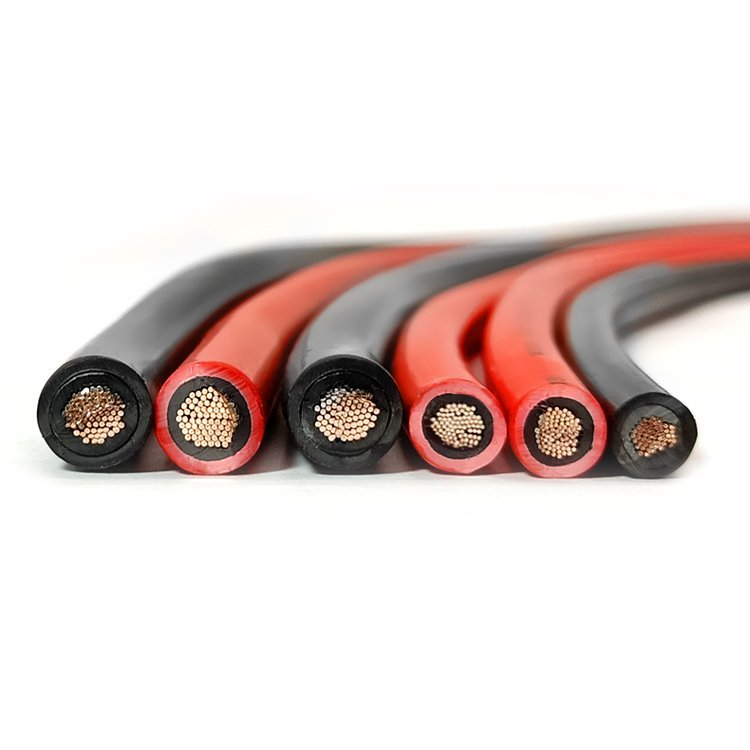
Why Solar Cable Mechanical Integrity Is Critical for System Reliability
UV Exposure, Thermal Cycling, and Abrasion: The Top Three Degradation Drivers
Solar cables face all sorts of tough conditions out there in the field that really take a toll on their structural strength over time. The sun's UV rays start breaking down those polymer chains in the outer jacket material, making it brittle and prone to small cracks forming after just about five years without proper shielding. Then there's the daily temperature changes too. Cables expand when warm and contract when cold, which wears down both the insulation and how well the conductors hold together inside, speeding up the development of tiny fractures. And let's not forget about all the little things that happen day to day either. Wind blows around dirt and grit that gets stuck on cables, workers sometimes handle them roughly during installation, and they often rub against rough surfaces like metal frames or concrete foundations. All this combined abrasion wears away at protective coatings until eventually the inner insulation becomes exposed. What happens next? Well, studies show that after five years of this treatment, insulation resistance drops somewhere around 40%, leaving gaps where moisture can get in. Once water finds its way inside, we're looking at serious problems like ground faults, dangerous arc faults, and systems failing way before their expected lifespan.
Field Data Insight: 68% of Premature PV System Failures Linked to Solar Cable Damage
Field studies show that damaged solar cables are behind about two-thirds of early failures in photovoltaic systems. That makes proper mechanical protection not something extra but absolutely necessary if companies want to protect their return on investment. When cables get compromised, problems multiply fast. Insulation starts breaking down which creates ground faults and dangerous arcs while also cutting energy output by roughly 18% across impacted panels. Thermal scans regularly pick up hotspots hitting over 90 degrees Celsius (around 194 Fahrenheit) in worn areas, way beyond what standard PV wiring can handle at 70C. All these numbers point to one clear takeaway: investing in good mechanical safeguards isn't merely routine maintenance work anymore. It's actually critical for getting those promised 25 years out of today's solar installations before they need replacing.
Proven Solar Cable Protection Methods: Conduits, Trays, and Advanced Sheathing
Metal, HDPE, and UV-Stabilized PVC Conduits—Selecting by Environment and Risk Profile
When choosing conduit materials, it's important to match them with what the specific location demands mechanically and environmentally. Steel or aluminum conduits stand up best against physical damage and crushing forces, which makes them great choices for places with heavy foot traffic, areas where rodents might chew through, or industrial settings generally. However these metal options need special coatings to prevent rusting when installed near saltwater or in chemically harsh conditions. HDPE tubing bends better than most alternatives, resists water penetration, and doesn't react chemically with substances in soil. That's why many installers prefer HDPE for burying cables underground or running lines through fields treated with fertilizers, salt-laden ground, or acidic earth conditions. For rooftops and outdoor racking systems where sunlight exposure is unavoidable, UV stabilized PVC tends to be the go to option. These pipes handle extreme temperatures from below freezing right up to scorching heat without breaking down because manufacturers add special ingredients during production that fight off the effects of prolonged sun exposure.
| Conduit Type | Impact Resistance | UV Stability | Ideal Application | Limitations |
|---|---|---|---|---|
| Metal | High | High | High-traffic/rodent zones | Higher cost; grounding required |
| HDPE | Moderate | High | Underground/corrosive sites | Lower crush resistance |
| UV-Stabilized PVC | Moderate | High | Cost-sensitive exposed runs | Avoid extreme cold bends |
Best practice: deploy metal conduits near access points and transitions, HDPE in buried trenches, and UV-stabilized PVC for rooftop lateral runs—balancing protection, longevity, and budget.
Double-Layered Solar Cable Jackets: XLPE Insulation + Halogen-Free Flame-Retardant Outer Sheath
Today's solar cables are built with two layers instead of just one, which helps tackle several potential problems at once. The inner layer is made from cross linked polyethylene or XLPE for short. This material can handle pretty high temperatures without breaking down, staying stable even when running continuously at around 90 degrees Celsius. It also keeps performing well electrically despite changes in voltage and going through repeated heating and cooling cycles. On top of that protective layer sits another coating called HFFR, which stands for halogen free flame retardant. This outer shell protects against things like rubbing damage, sun damage over time, and chemicals getting into the cable. Plus it meets those strict safety standards specified in IEC 62930 regarding smoke production, absence of harmful halogens, and how quickly flames go out after being exposed. Real world testing has actually shown these double layered cables cut down on mechanical failures by about 34 percent compared to older single jacket designs. That makes all the difference in places where solar panels sit right next to flammable materials like certain types of roof membranes or wooden structures.
Solar Cable Installation Best Practices to Prevent Mechanical Stress
Bend Radius Compliance: Enforcing the 8× Rule for PV Wire Longevity
Going beyond the standard minimum bend radius, which is typically set at eight times the cable's total diameter, leads to serious issues like permanent damage to the conductor strands and tiny cracks forming in the insulation material. When installers ignore this guideline, failure rates jump by about 40% over just five years mainly because shields break and weak spots develop in the insulation from repeated temperature changes. Always check what the manufacturer says about their products since certain premium PV cables can actually handle tighter bends (like six times diameter) when installed properly in controlled environments, though nobody should ever take this for granted without double checking specs first. Take a 10mm diameter PV cable as an example – it needs at least 80mm clearance around every elbow in conduits, corners of trays, and wherever connections are made if we want to keep both electrical performance and physical strength intact over time.
Secure Fastening Done Right: Avoiding Over-Torqued Clamps and UV-Weakened Ties
Two common fastening errors significantly accelerate mechanical degradation:
- Compression damage: Over-torquing standard cable clamps crushes insulation, reducing current-carrying capacity by up to 15%, per IEC 62446-1 test protocols.
- UV degradation: Standard nylon zip ties lose 90% of tensile strength after 12 months of direct sun exposure—increasing detachment risk during wind events or thermal expansion cycles.
Use UV-stabilized stainless-steel ties with smooth, rounded edges and integrated torque-limiting features. Space supports no more than 300mm apart on horizontal runs, and install cushioned, non-metallic mounts at all contact points to eliminate abrasion. Solar farm maintenance data shows these practices reduce mechanical cable faults by 62% over a decade.
Maintaining Solar Cable Integrity: Inspection, Testing, and Early Intervention
Tiered Maintenance Protocol: Visual Checks, Thermal Imaging, and Dielectric Testing
Using a three step inspection plan helps extend the life of solar cables while avoiding sudden failures that can shut down entire systems. Start with monthly checks looking closely at where cables connect to equipment, where they enter protective conduits, and any parts running openly outside. Watch for wear marks, teeth damage from rodents, cracks caused by sun exposure, or changes in cable color that might indicate problems. Once a year, bring in thermal imaging equipment to spot hot spots that are warmer than normal surroundings by more than 10 degrees Celsius. These hot areas often mean insulation is starting to fail, something that happens about 47% more frequently when ignored. Every other year, run tests that measure how well the cable insulation holds up against electricity according to industry standards. This catches small issues before sparks fly or leaks develop. Combine all these inspections with proper record keeping and pattern tracking, and field experience shows this method cuts unexpected cable replacements by around two thirds compared to just fixing things after they break down. It also highlights common trouble spots like UV damage in beachside installations, giving manufacturers clues about what materials need improvement.
Future-Ready Solar Cable Management: Code Compliance and Scalable Design
Beyond NEC 690.31(C) and IEC 62446-1: Building Resilience into Solar Cable Layouts
NEC 690.31(C) and IEC 62446-1 set the basic safety standards for PV wiring, but anyone who's worked on solar installations knows that real world durability needs planning way beyond just meeting codes. Good scalable designs include things like modular routing paths, extra space in conduits, and plenty of room in junction boxes so when the system grows or gets upgraded later, there's no need to tear everything apart again. The sun is getting harsher these days with more UV exposure and bigger temperature swings, so we actually go ahead and pick materials that can handle about 20% more stress than what's required. Instead of settling for standard 90 degree cables, many installers now spec out ones rated for continuous operation at 120 degrees. Maintenance matters too. We always build in proper walkways between panels, clearly mark every connection point, and use colored conduits to make troubleshooting easier down the road. When there are known issues like rodents chewing through wires or ground erosion problems, armored conduits or built-in cable trays become essential. These smart design choices cut down on expensive retrofits by roughly 40%, which makes sense given how long these systems typically last. Most folks want their solar arrays to keep working properly for at least 25 years despite whatever changes come along in weather patterns or regulations.
FAQ
Why is mechanical integrity important for solar cables?
Mechanical integrity is crucial for solar cables because it ensures the structural strength and reliability of the photovoltaic systems. Without it, cables can become prone to damage, leading to system failures.
What are the main factors contributing to solar cable degradation?
The main degradation drivers for solar cables include UV exposure, thermal cycling, and abrasion from environmental conditions, improper handling, and physical contacts.
How can solar cable degradation impact photovoltaic system performance?
Degraded solar cables can reduce insulation resistance and energy output, create ground faults, and lead to dangerous arc faults, significantly affecting system efficiency and lifespan.
What are some protective measures for solar cables?
Protective measures include using conduits like metal, HDPE, and UV-stabilized PVC, and employing double-layered cable jackets with XLPE insulation and HFFR outer sheath to enhance durability and compliance with safety standards.
What are best practices for installing solar cables?
Best practices include maintaining proper bend radius, using correct fastening methods to prevent damage, ensuring secure clamps, and performing regular inspections and maintenance to catch early signs of wear.
Table of Contents
- Why Solar Cable Mechanical Integrity Is Critical for System Reliability
- Proven Solar Cable Protection Methods: Conduits, Trays, and Advanced Sheathing
- Solar Cable Installation Best Practices to Prevent Mechanical Stress
- Maintaining Solar Cable Integrity: Inspection, Testing, and Early Intervention
- Future-Ready Solar Cable Management: Code Compliance and Scalable Design
- FAQ