
 EN
EN
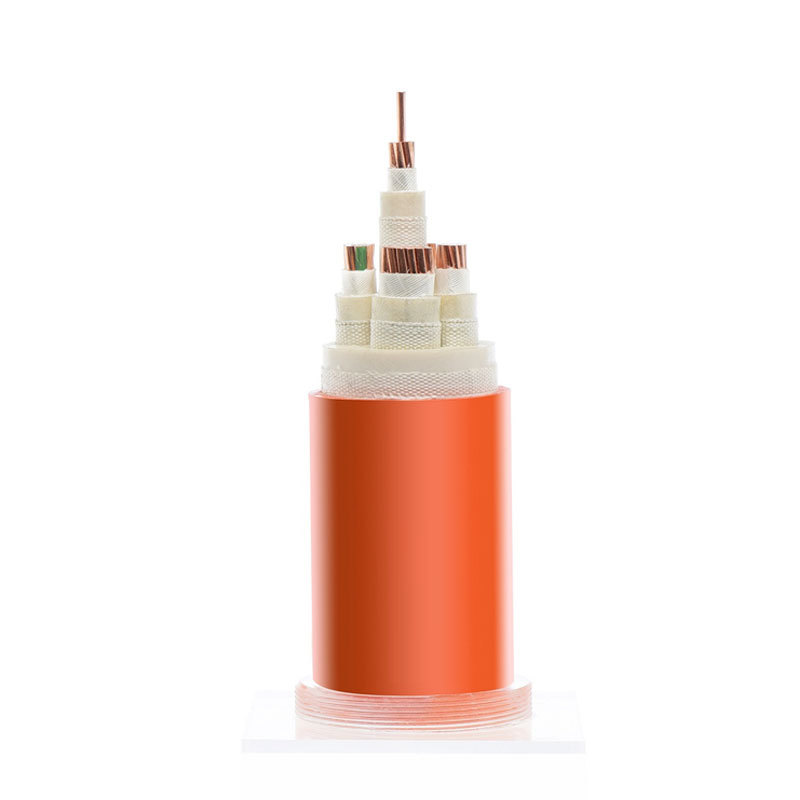
Why Flexible Mineral Cables Excel in Stability—And What Threatens It
Flexible mineral cables offer remarkable stability for important applications thanks to their mineral insulated copper clad (MICC) design. The MgO insulation gives these cables built in fire resistance and can handle temperatures reaching around 1000 degrees Celsius while keeping signals intact even when things get really hot. What makes them stand out compared to regular plastic insulated options is how they hold up against all sorts of harsh conditions. These cables don't break down easily when exposed to radiation, chemical spills, or just plain old age. That's why we see them lasting much longer in places like factories, power generation sites, and those tricky nuclear installations where reliability matters most.
However, three primary threats compromise this stability:
- Moisture ingress: Humidity degrades MgO’s dielectric properties, increasing leakage currents by 60% in damp environments. Sealing failures at termination points accelerate corrosion.
- Mechanical stress: Repeated bending below an 8– cable diameter radius fractures conductors. Vibration in industrial settings causes micro-fractures in insulation over time.
- Thermal cycling: Rapid temperature changes create expansion/contraction stresses, cracking seals and compromising moisture barriers after 500+ cycles.
Unmitigated, these factors can trigger catastrophic failures costing facilities $740k in downtime (Ponemon 2023). Proactive monitoring and installation best practices are essential to preserve this technology’s advantages.
Installation Best Practices to Preserve Flexible Mineral Cable Integrity
Proper installation techniques directly determine the lifespan of flexible mineral cables. Adherence to three critical protocols—handling, termination, and sealing—prevents performance degradation in demanding environments.
Handling, bending radius, and termination techniques for flexible mineral cable
Maintain minimum bend radii (typically 6–8– cable diameter) during installation to avoid cracking magnesium oxide (MgO) insulation—a leading cause of premature failure. Use roller guides when pulling through conduits to prevent sheath abrasion. For terminations:
- Employ compression-type connectors to ensure gas-tight seals
- Apply magnesium oxide paste immediately after stripping to prevent moisture absorption
- Torque connections to manufacturer specifications (±5% tolerance)
Field studies show improper termination causes 42% of early failures (Electrical Safety Journal 2023).
Sealing and gland selection to prevent moisture ingress at entry points
Select double-sealed glands with IP68 ratings where cables enter enclosures. Critical considerations include:
| Factor | Requirement | Failure Risk Reduction |
|---|---|---|
| Gland material | Corrosion-resistant brass/stainless | 30% |
| Sealant type | Silicone-free thermal paste | 25% |
| Compression stages | Dual-stage (sheath + core) | 40% |
Install moisture barriers within 15 minutes of gland placement. Annual thermographic surveys detect seal degradation before resistance drops below 100 MΩ—the critical threshold for mineral cable stability.
Environmental and Operational Threats to Flexible Mineral Cable Performance
Moisture, Corrosion, and Thermal Cycling Effects on MgO Insulation
Water getting into flexible mineral cables remains a major problem, especially when seals at connection points get damaged over time. Once water starts working its way through MgO insulation, it can boost conductivity by around 40 percent, which speeds up corrosion in copper wires and weakens the cable's ability to handle high voltages according to HV Tester reports from last year. Temperature changes throughout the day make things worse too. The constant heating and cooling causes materials to expand and contract repeatedly. Studies show that cables exposed to daily temperature variations above 25 degrees Celsius tend to form tiny cracks in their MgO insulation about three times quicker than cables kept in consistent conditions. These small cracks let even more moisture in while cutting down on how well heat dissipates from the cable by roughly 15 to 20 percent. This creates a vicious cycle that not only reduces fire protection capabilities but also puts the whole system at risk during operation.
Mechanical Vibration and Electrical Stress Impacts on Long-Term Stability
The constant shaking from machines next door builds up fatigue over time, particularly noticeable at those fixed support spots where things tend to hold together. According to various industry reports, equipment installed close to vibrating machinery tends to see around 65% more conductor breaks after just five years of operation. Electrical issues compound these problems too. Things like sudden voltage spikes and weird waveform distortions really speed up how materials break down. When voltages jump above 2.5 kV in areas with ongoing vibrations, insulation fails roughly 80% quicker compared to normal conditions. The combination of these mechanical shakes and electrical hiccups wears out copper-MgO connections much faster than expected. That's why regular torque inspections at all connection points are so important if we want systems to stay stable and reliable long term.
Proactive Maintenance Protocols for Flexible Mineral Cable Longevity
Insulation Resistance Testing and Condition Monitoring Schedules
Doing regular insulation resistance (IR) tests helps catch problems like moisture getting into flexible mineral cables or when the material starts to break down over time. According to the IEEE 43-2000 guidelines, most techs run these tests every three months with a 1,000 volt megohmmeter. For brand new setups, they're looking at least for around 100 megohms of resistance as a baseline. When we track how these numbers change over time, it gives us warning signs about potential issues long before anything actually breaks down. This kind of proactive monitoring makes all the difference in maintaining reliable electrical systems across different industrial applications.
- Continuous thermal monitoring at termination points
- Annual partial discharge measurements
- Vibration analysis near mechanical joints
Data should be logged in a centralized system to establish baseline performance metrics and alert thresholds. Leading industrial facilities report 35% fewer unplanned outages when implementing such protocols.
Recognizing Early Failure Signs and Optimizing Service Life Through Data-Driven Decisions
Key indicators of impending flexible mineral cable issues include localized heating above 90°C (194°F), audible cracking from partial discharges, or insulation resistance drops exceeding 20% per year. Advanced analytics transform condition monitoring data into predictive insights:
- Thermal trend analysis forecasts insulation breakdown
- Vibration frequency mapping detects loose connections
- Historical IR comparisons quantify degradation rates
Facilities using these methods achieve up to 40% longer service life by replacing components during planned downtime rather than after failures. A data-driven approach prevents $740k in average downtime costs per incident (Ponemon 2023) while maximizing infrastructure ROI.
FAQ Section
What are flexible mineral cables?
Flexible mineral cables are designed with mineral insulated copper clad (MICC), offering remarkable stability and fire resistance. They withstand extreme temperatures and adverse conditions.
What are the primary threats to flexible mineral cables?
Moisture ingress, mechanical stress, and thermal cycling are primary threats to their stability, leading to performance degradation over time.
How can moisture ingress affect the cables?
Moisture ingress degrades the dielectric properties of the MgO insulation, increasing leakage currents and accelerating corrosion, compromising the cables' effectiveness.
What are the best practices for installation?
Best practices include maintaining minimum bend radii, using roller guides during installation, employing compression-type connectors, and applying magnesium oxide paste to prevent moisture absorption.
How can facilities optimize cable service life?
Facilities can optimize service life by implementing thermal trend analysis, vibration frequency mapping, and historical IR comparisons for predictive maintenance and replacing components during planned downtime.
Table of Contents
- Why Flexible Mineral Cables Excel in Stability—And What Threatens It
- Installation Best Practices to Preserve Flexible Mineral Cable Integrity
- Environmental and Operational Threats to Flexible Mineral Cable Performance
-
Proactive Maintenance Protocols for Flexible Mineral Cable Longevity
- Insulation Resistance Testing and Condition Monitoring Schedules
- Recognizing Early Failure Signs and Optimizing Service Life Through Data-Driven Decisions
- FAQ Section
- What are flexible mineral cables?
- What are the primary threats to flexible mineral cables?
- How can moisture ingress affect the cables?
- What are the best practices for installation?
- How can facilities optimize cable service life?