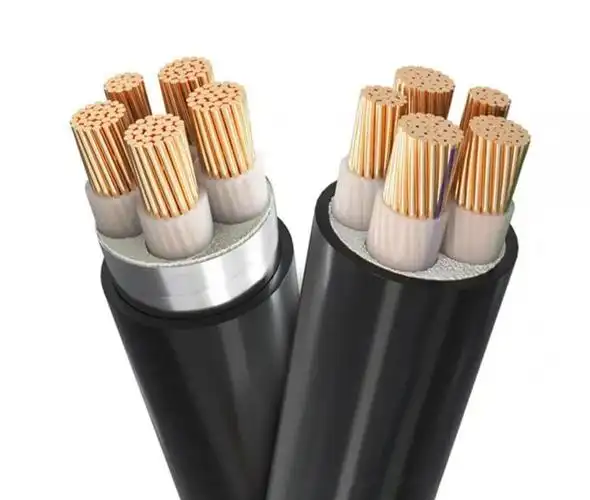
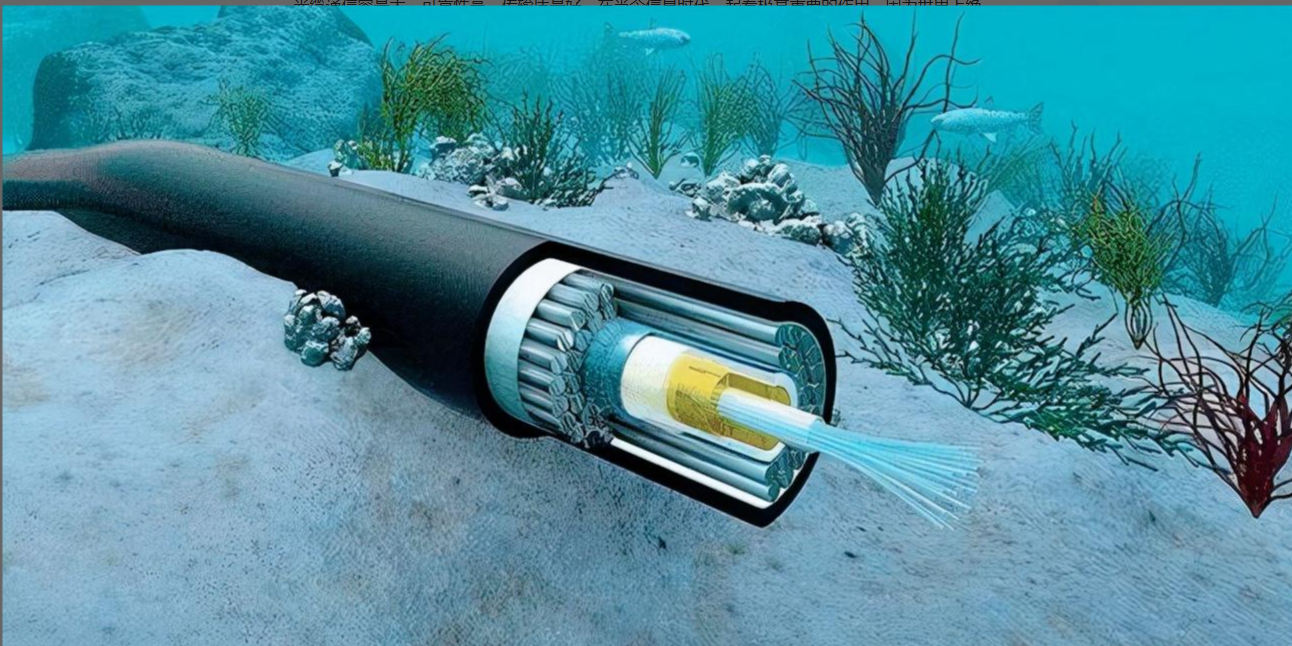
Submarine power cables present unique engineering challenges combining electrical performance with marine environmental durability. Weidong Cable's submarine solutions feature double-armored designs with zinc-anode cathodic protection systems. A successful deployment in Pearl River estuary involved 132kV cables with self-contained fluid-filled designs maintaining constant pressure through shore-based feeding equipment. These cables incorporate torque-balanced armor wires preventing cable twisting during laying operations. For tidal zone installations, anti-scour protections include concrete mattresses preventing seabed erosion exposure. The company's pre-laying surveys include marine route mapping identifying potential hazards like ship anchors or fishing activities. Clients in offshore wind farms benefit from dynamic cable designs accommodating floating platform movements. We collaborate with naval architects on installation vessel selection based on cable weight and sea conditions. Technical workshops cover topics like repair joint optimization for minimizing transmission losses. For project cost estimations, please provide bathymetric data and environmental factors like wave height statistics. Manufacturing quality controls include extended AC voltage tests simulating operational lifetime electrical stresses. Research initiatives focus on developing recyclable thermoplastic insulation replacing traditional crosslinked materials. Case studies from island interconnection projects demonstrate our cables' resistance to marine predator attacks. Clients in harbor applications require additional abrasion resistance from ship propeller wash. Installation support includes real-time monitoring of cable tension and burial depth during plough operations. For deep-water installations, buoyancy modules calculate optimal weight-to-diameter ratios. Emergency repair kits include prefabricated joints with pressure-resistant enclosures. Training programs include remotely operated vehicle operations for submarine cable inspection. Digital twin technology simulates cable behavior under extreme weather conditions.