Mastering electrical wiring installation is fundamental to creating safe, efficient, and durable building systems. While high-quality cables form the foundation, their performance and safety are ultimately determined by the quality of the installation. Based on our extensive experience as a leading cable solutions provider across China, here are essential professional Electrical Wiring Installation Tips that address common challenges and ensure excellence.
1. Pre-Installation Planning and Cable Selection:
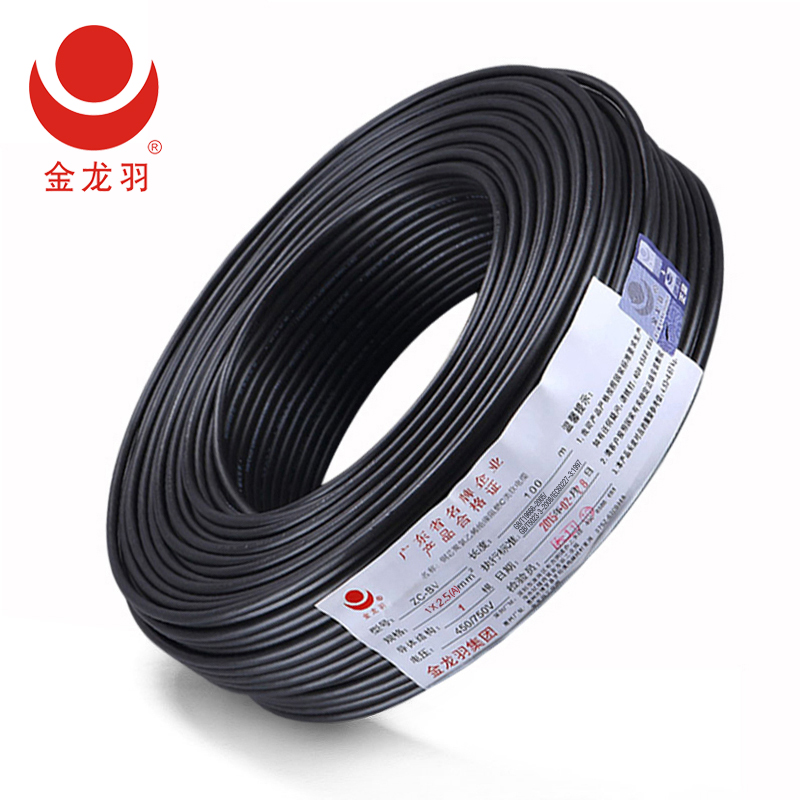
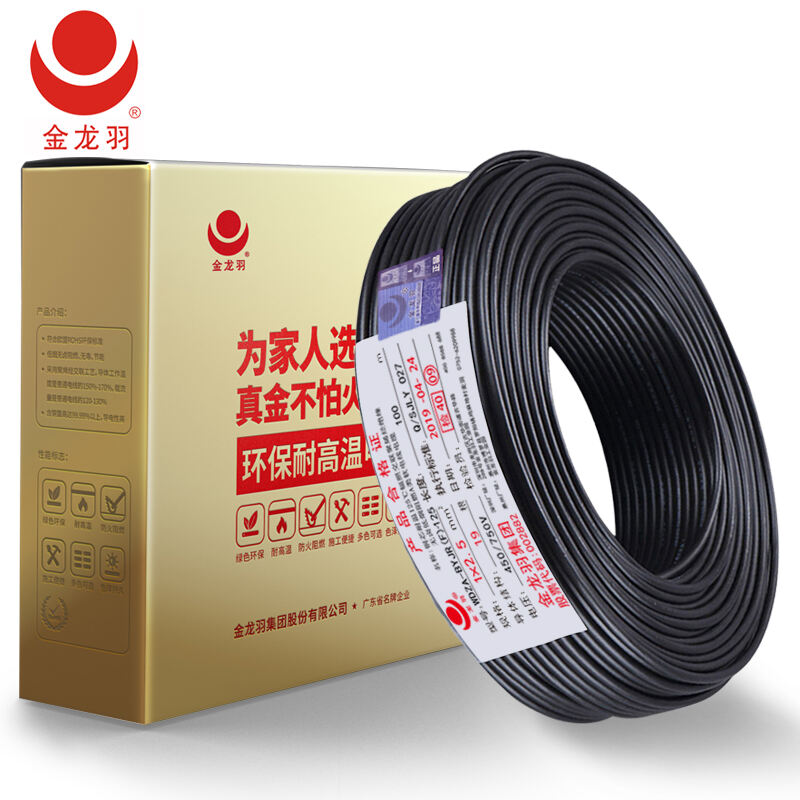
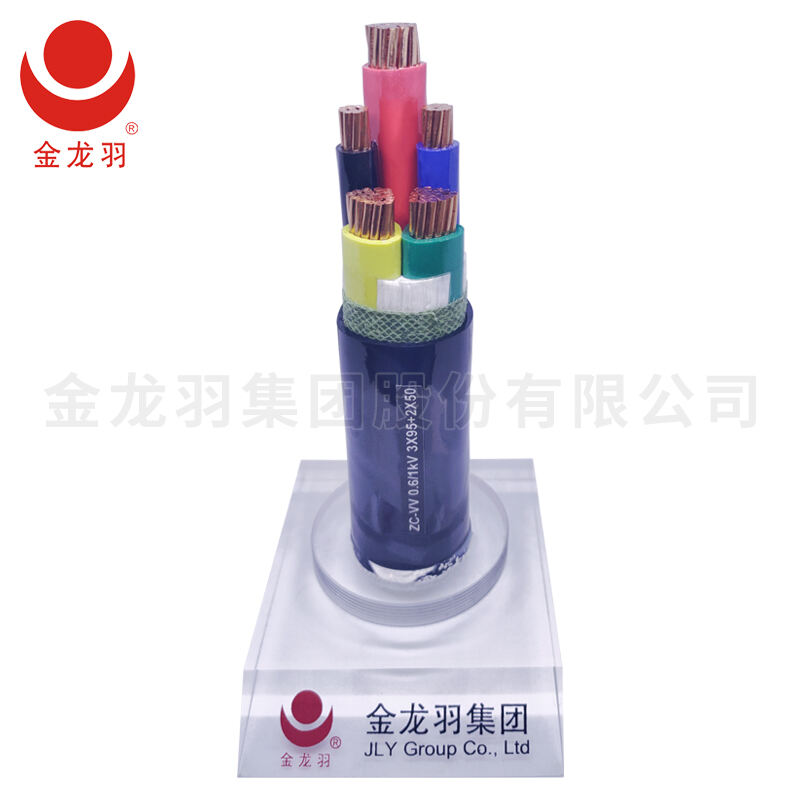
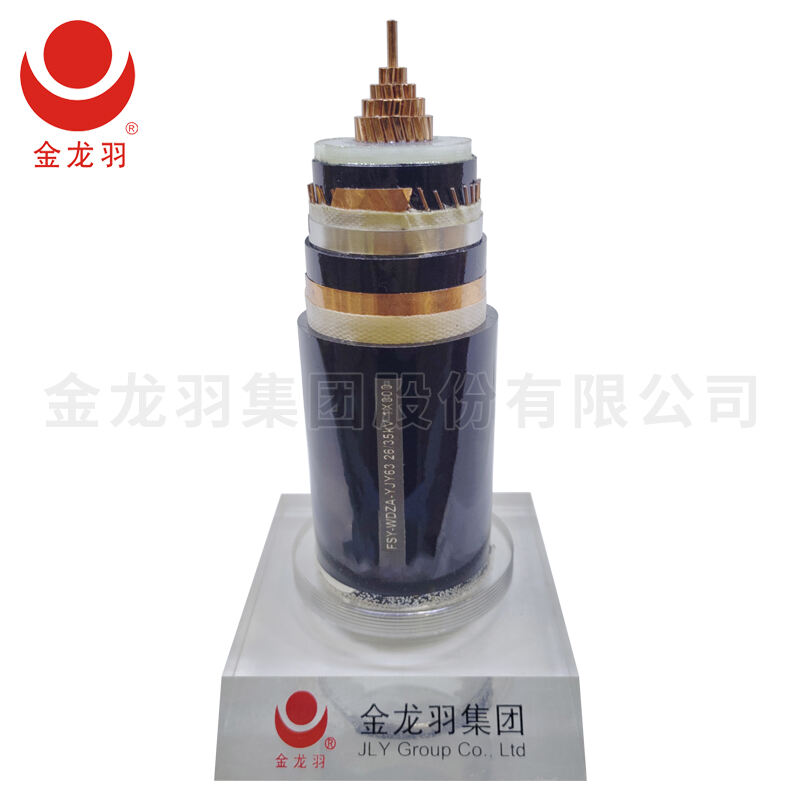
The most crucial phase occurs before any work begins. Meticulous planning prevents costly errors. Start by creating a detailed wiring diagram that maps all circuits, outlets, switches, and fixtures. This plan must account for the specific purpose of each circuit (lighting, appliances, HVAC) to calculate the accurate electrical load. This calculation directly informs the most critical selection: the wire gauge. Using an undersized wire for a given load is a major fire hazard due to overheating. Furthermore, cable selection must consider the environment. For outdoor or damp locations (like basements or the humid southern provinces), cables with moisture-resistant and UV-stable jackets, such as specific types within our "Heshengtong" range, are non-negotiable. For in-wall installations, fire-retardant and low-smoke properties become paramount. Always procure cables from reputable suppliers like Weidong Technology to ensure they meet stated specifications and safety standards, providing a reliable base for your work.
2. Safety as the Uncompromising Priority:
Safety must govern every action. Before touching any existing wiring, verify the power is off at the main circuit breaker and use a voltage tester to confirm wires are de-energized. Use personal protective equipment (PPE) such as insulated gloves and safety glasses. During installation, adhere strictly to the National Electrical Code (NEC) or your local equivalent, which dictates standards for wire sizing, box fill capacity (the number of wires allowed in a junction box), grounding, and arc-fault protection. A professional tip is to never overfill a junction box, as this can cause heat buildup and difficult future maintenance. Ensure all metal boxes and fixtures are properly grounded with a continuous ground wire. Use cable staples or straps to secure wiring every required interval, but avoid over-tightening, which can damage the cable insulation.
3. Precision in Running and Securing Cables:
The physical routing of cables requires care. When running cables through wall studs or floor joists, drill holes at a consistent center point and keep at least 1.25 inches from the edge to prevent nails or screws from piercing the cable later. Use protective metal or plastic grommets when passing cables through drilled metal studs. Maintain proper bending radii; sharp bends can stress and damage copper conductors. A key tip for pulling cables through conduit is to use a dedicated pulling lubricant to reduce friction and prevent jacket scuffing. In attics or crawl spaces, route cables away from sharp objects, heat sources, and areas of potential physical damage. Use dedicated cable ties or straps—never use nails or ordinary tape—to secure cables neatly and without compression.
4. Mastering Connections and Terminations:
Faulty connections are a leading cause of electrical failure. For copper wiring, ensure all connections are made within approved junction boxes. Strip only the necessary length of insulation using a proper wire stripper to avoid nicking the conductor. When using wire nuts, twist them clockwise until tight, and give the wires a gentle tug to confirm a secure mechanical bond. For screw terminals on outlets and switches, loop the wire clockwise around the screw so tightening the screw closes the loop. A pro tip is to use a torque screwdriver for critical terminations, like on circuit breakers, to achieve the manufacturer's specified tightness, which ensures optimal conductivity and prevents loosening over time. Always fold wires neatly into the box without cramming.
5. Systematic Testing and Documentation:
The job is not complete until the system is verified. After installation but before closing up walls or energizing the entire system, conduct thorough continuity and insulation resistance tests with a multimeter or megohmmeter to check for short circuits, open circuits, or compromised insulation. Once powered, verify correct voltage at all outlets and proper operation of all switches and fixtures. Use a receptacle tester to confirm correct wiring (hot, neutral, ground). Finally, update the as-built wiring diagrams to reflect any changes made during installation. Labeling the circuit breaker panel clearly and accurately is an invaluable tip for future troubleshooting and maintenance, embodying a professional approach that adds long-term value.

 EN
EN