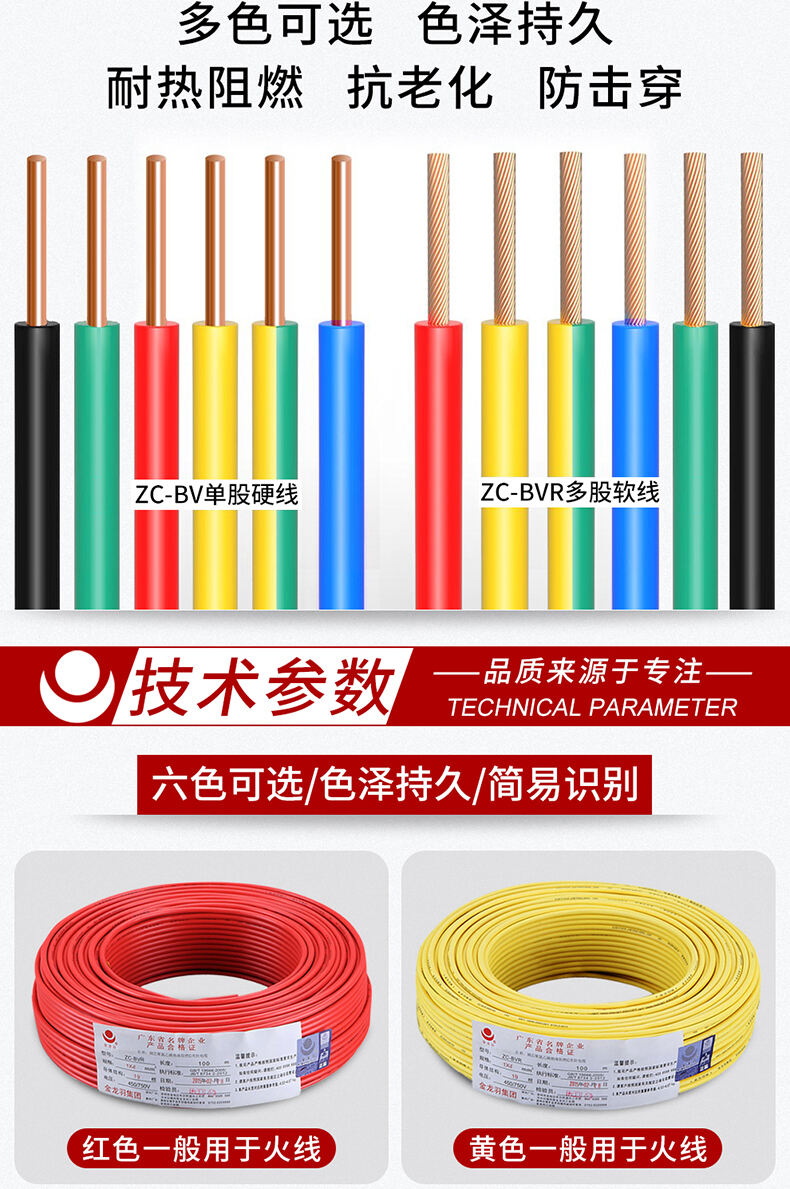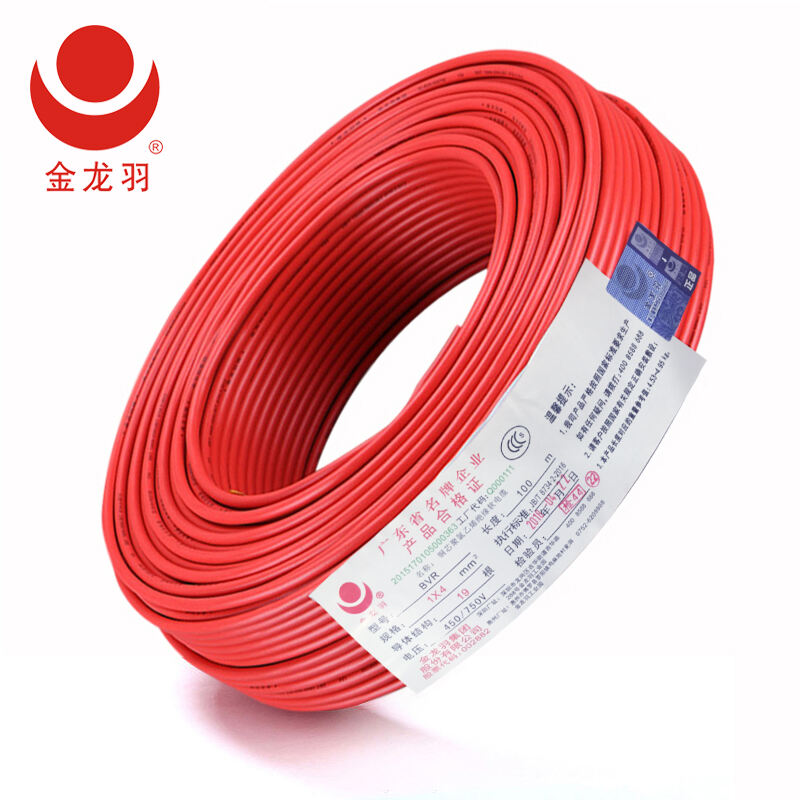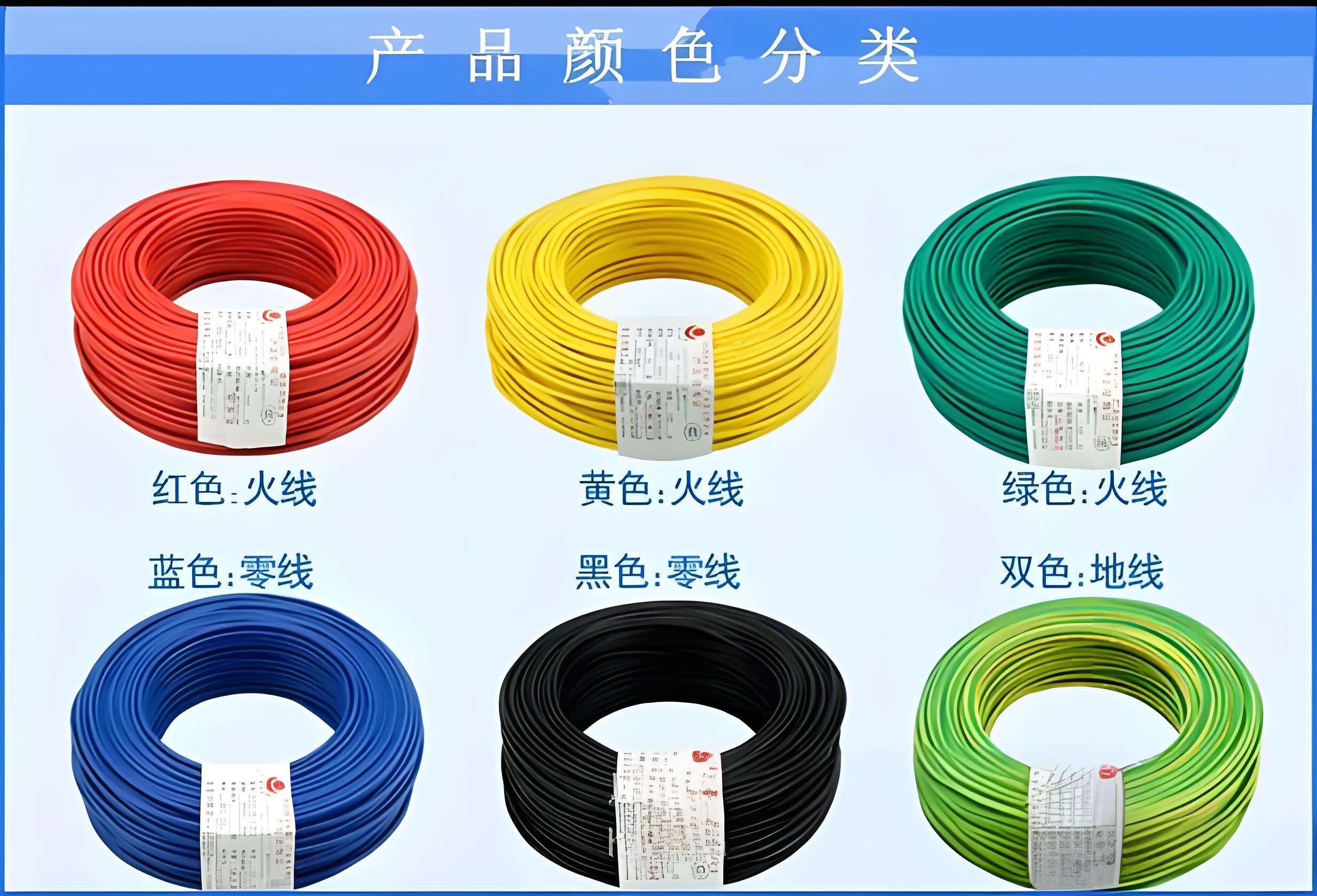


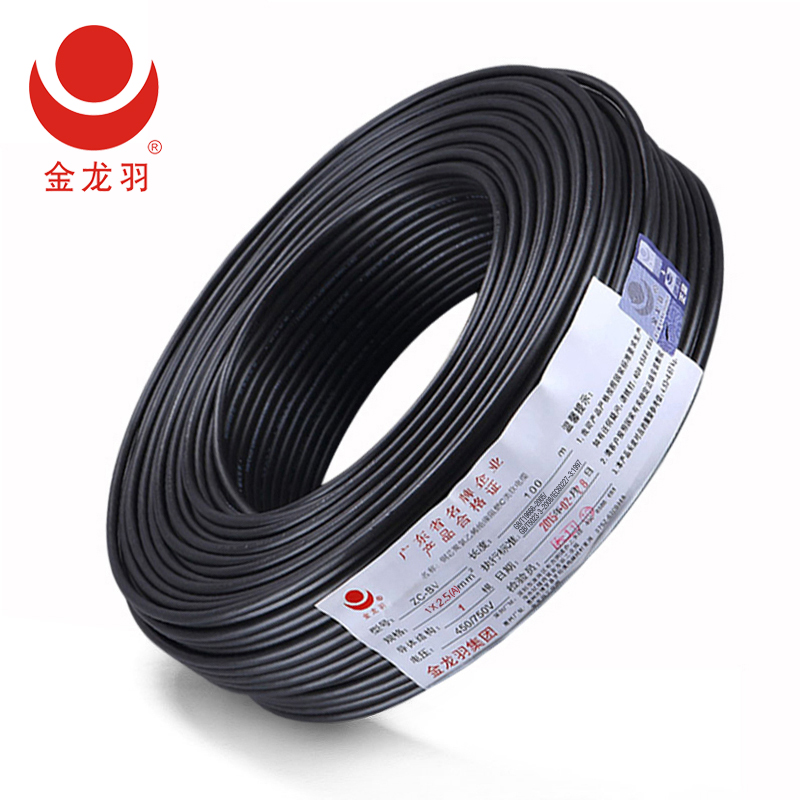
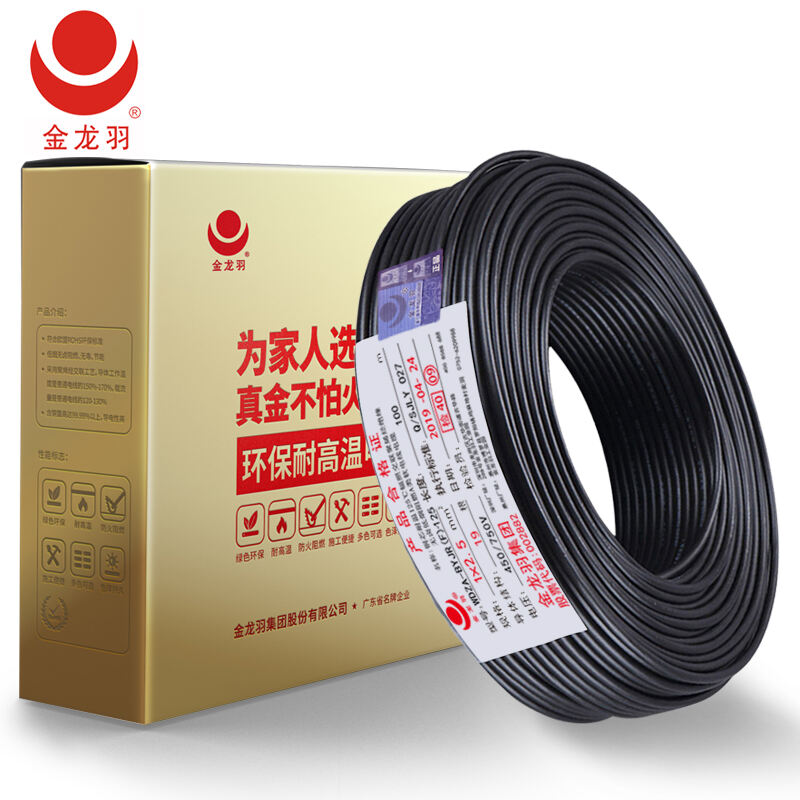
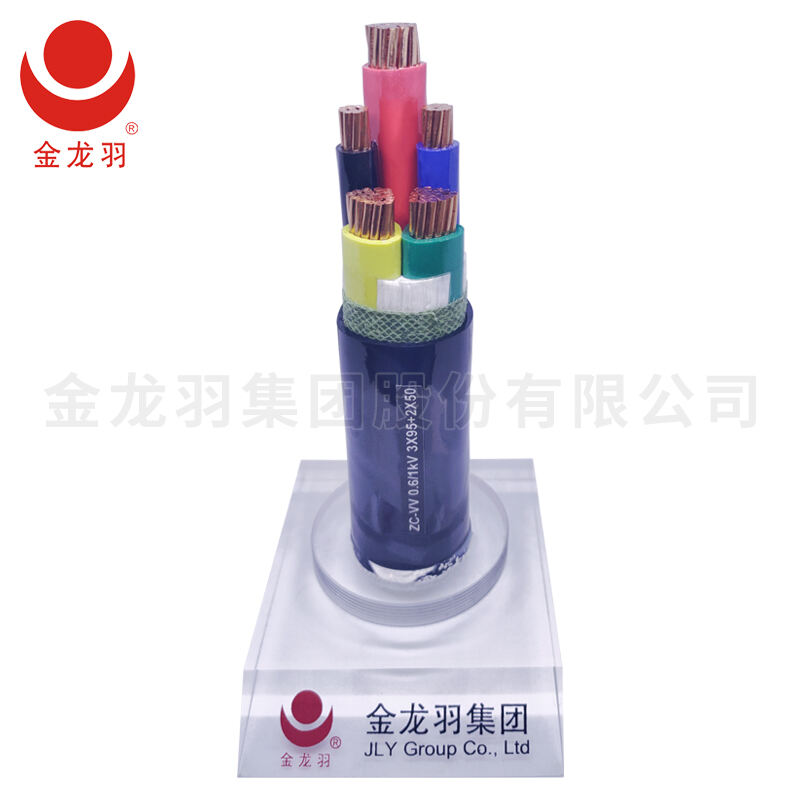
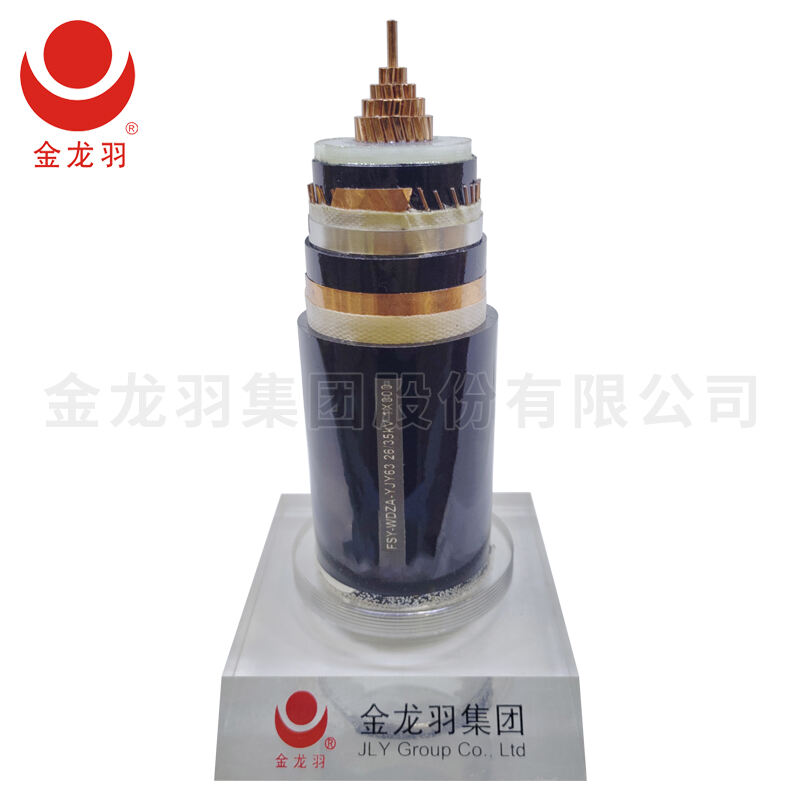
Following electrical wiring best practices ensures safe, efficient, and durable electrical systems, and Weidong Technology promotes these standards based on industry experience. A fundamental electrical wiring best practice is using the correct wire size for the load, as undersized wires overheat—consult ampacity charts and choose wires like Weidong’s BVV or BVR with appropriate cross-sectional areas. Another key electrical wiring best practice is maintaining proper conductor termination: secure connections with approved terminals, avoid over-tightening, and use wire nuts or crimps to prevent loose connections that cause arcing. Electrical wiring best practices also include organizing cables neatly, separating power and communication wires to reduce interference, and labeling circuits for easy identification during maintenance. For safety, an important electrical wiring best practice is installing circuit breakers or fuses rated to protect each circuit, ensuring they trip before wires overheat. Additionally, electrical wiring best practices recommend using conduit in exposed or high-risk areas to shield wires from damage, and avoiding running wires through walls or ceilings without proper insulation. By adhering to these electrical wiring best practices, users can maximize system reliability and minimize hazards in residential, commercial, or industrial settings.