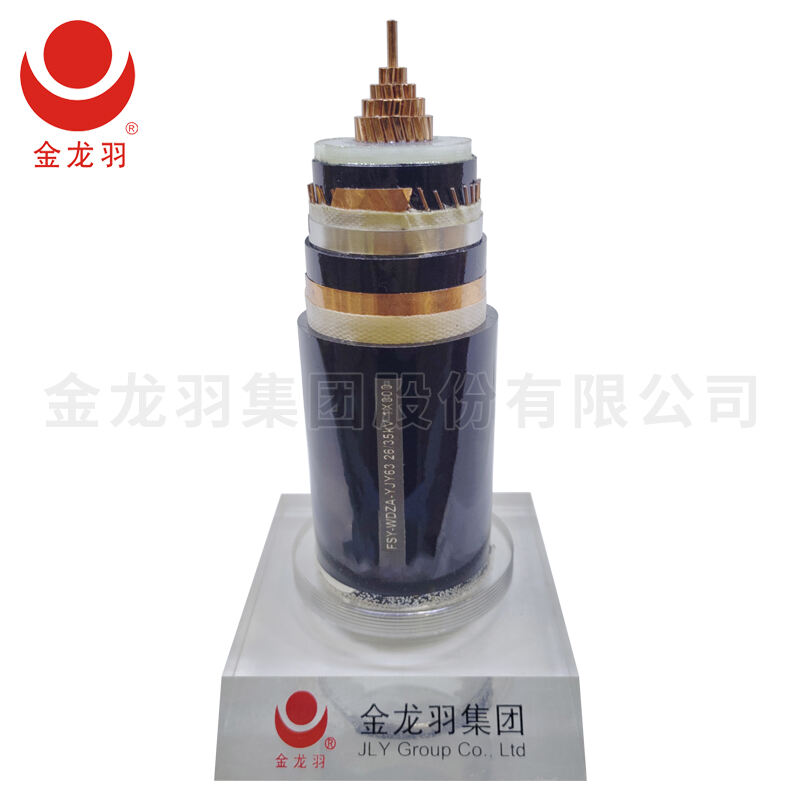
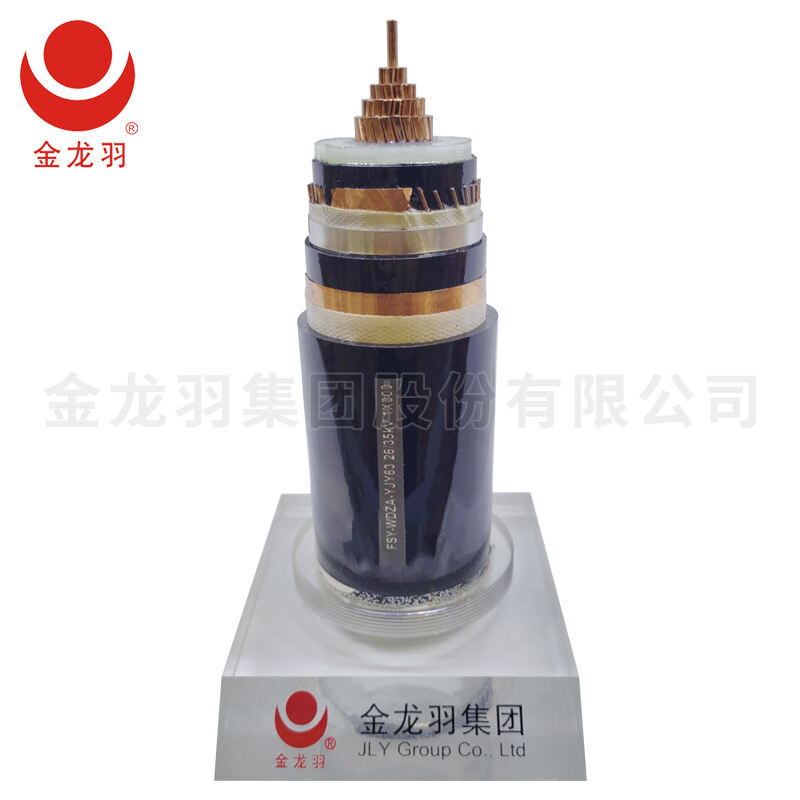
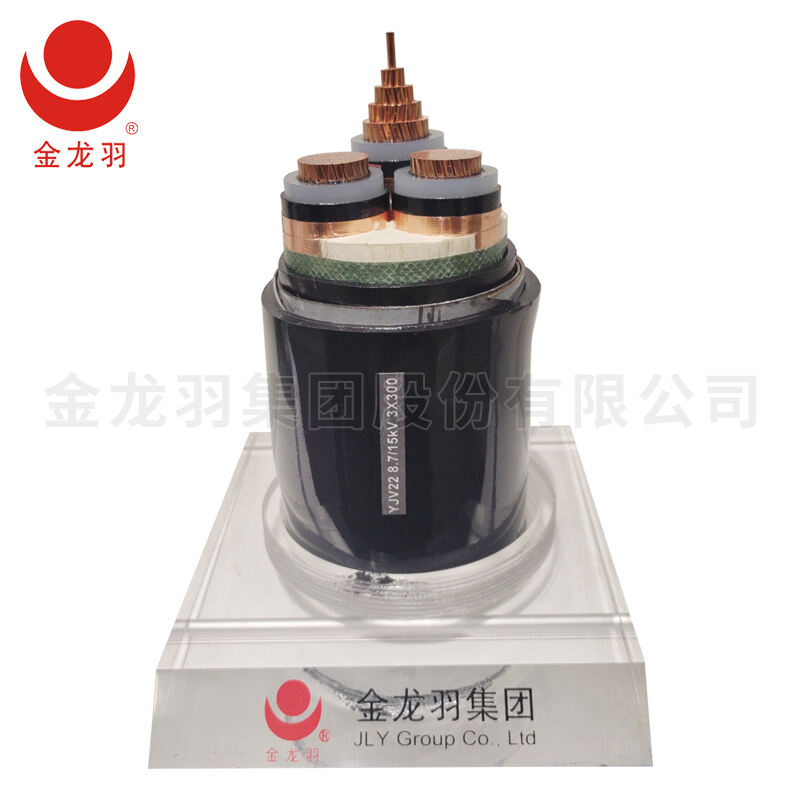
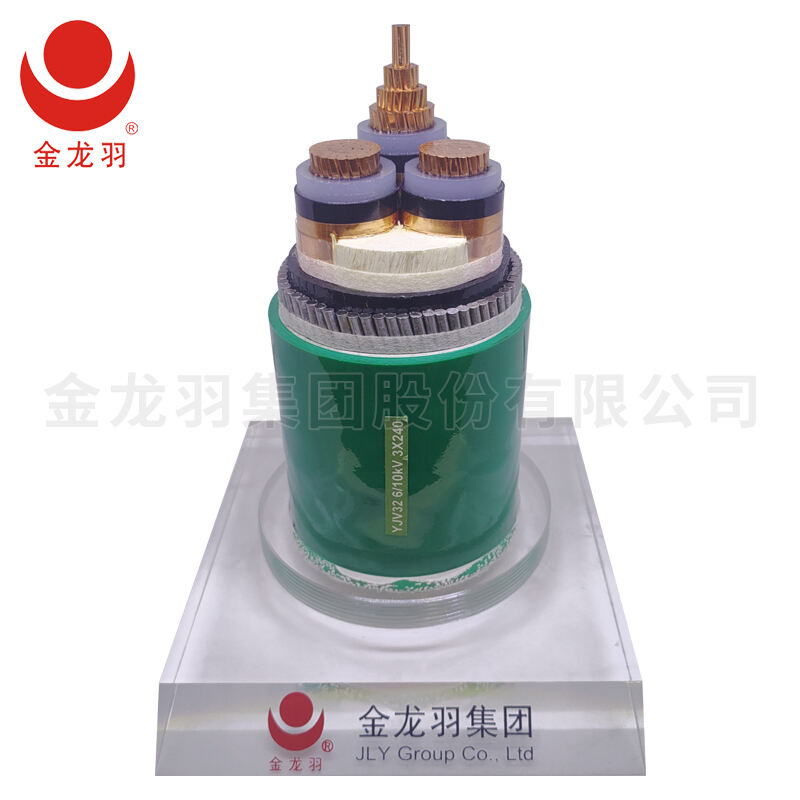
The question of What Are the Latest Trends in Power Cables reveals an industry in a dynamic transition, moving from passive components to active enablers of a more efficient, sustainable, and connected world. At Weidong Cable, through our "Heshengtong" brand and extensive project experience across China's diverse environments, we identify and respond to several dominant, interconnected trends shaping the future.
1. The Unrelenting Drive for Energy Efficiency and Sustainability.
This is arguably the most powerful trend. Beyond the use of recycled materials in sheathing, the focus is on reducing electrical losses during the cable's operational life. This involves:
-
Advanced Conductor Technology: The adoption of high-purity, oxygen-free copper with superior conductivity minimizes resistive losses over long distances, which is critical for large-scale infrastructure and renewable energy farms. This translates directly into lower electricity bills and a reduced carbon footprint for the end-user.
-
Eco-Design for End-of-Life: Trends are moving towards cables that are easier to separate and recycle, using halogen-free materials and clear material marking. This circular economy approach reduces environmental impact.
2. Enhanced Safety and Fire Performance Regulations.
Stricter global building codes are pushing fire safety to the forefront. The trend is moving beyond basic flame retardancy to holistic fire performance:
-
Low-Smoke Zero-Halogen (LSZH) Dominance: LSZH cables are becoming standard in public spaces, tunnels, data centers, and high-rise buildings. In a fire, they emit minimal opaque smoke and no toxic acidic gases, vastly improving visibility for escape and reducing harm to people and equipment. This is a non-negotiable trend for modern interior decoration and public engineering projects.
-
Improved Fire Resistance Ratings: Cables capable of maintaining circuit integrity under direct flame for extended periods (e.g., 90, 120 minutes) are increasingly specified for critical life safety and emergency systems.
3. Cabling for the Renewable Energy and EV Revolution.
The global shift to green energy directly dictates cable requirements:
-
Solar and Wind Farm Cables: These require exceptional durability to withstand UV radiation, wide temperature swings, moisture, and mechanical stress. For solar, specifically designed DC cables with optimized insulation for photovoltaic systems are trending. We see high demand for these across projects in sun-rich regions like Xinjiang and coastal areas.
-
Electric Vehicle Charging Infrastructure: The rollout of fast-charging stations demands cables that can handle higher continuous currents (e.g., for DC fast charging) and frequent coiling/uncoiling. Trends include enhanced flexibility, robust outer jackets for outdoor use, and integrated cooling technologies for next-generation ultra-fast charging.
4. Integration, Miniaturization, and Smart Functionality.
As buildings and grids become smarter, cables are evolving:
-
Increased Power Density: There is a trend towards cables that can carry more power in a smaller cross-section, freeing up space in conduits and trays. This is achieved through better insulation materials that can operate at higher temperatures.
-
Integrated Monitoring Capabilities: The emergence of "smart cables" with embedded optical fibers or sensors for real-time monitoring of temperature, load, and mechanical integrity is a cutting-edge trend. This enables predictive maintenance, preventing failures in critical infrastructure.
5. Adaptation to Extreme and Specialized Environments.
Industrial and geographical challenges drive specialized trends, such as cables with superior chemical resistance for industrial plants, or cables designed for direct burial in challenging soils, a common requirement in the varied landscapes from the humid Pearl River Delta to the arid northwest.
In conclusion, the latest trends converge on creating power cables that are not just conductors, but intelligent, efficient, and safe system components. Partnering with a forward-looking manufacturer like Weidong Cable ensures access to these evolving solutions, allowing you to build infrastructure that is resilient, compliant, and prepared for the demands of the coming decades.

 EN
EN