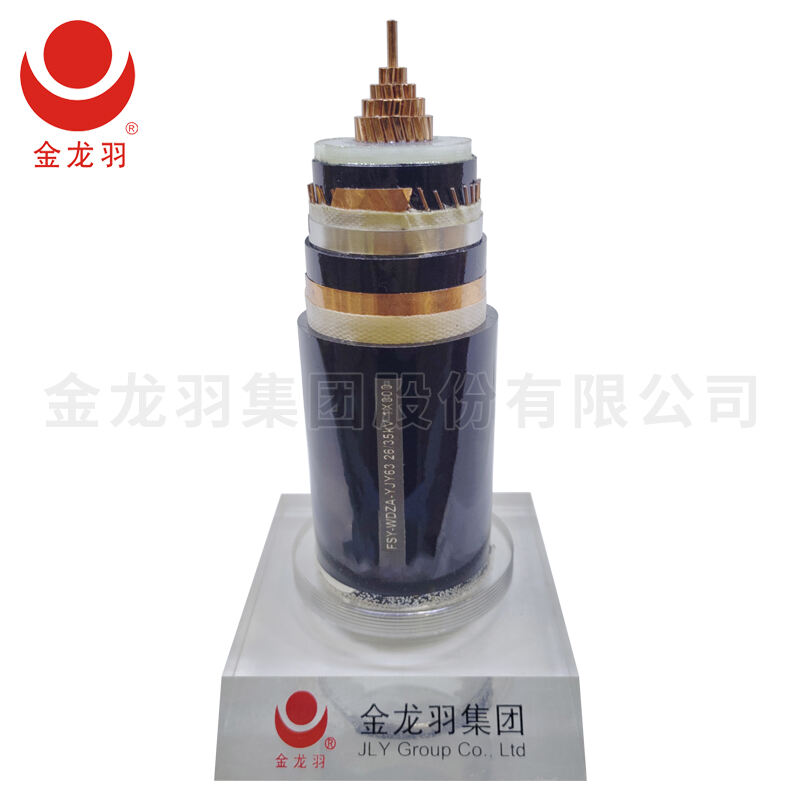
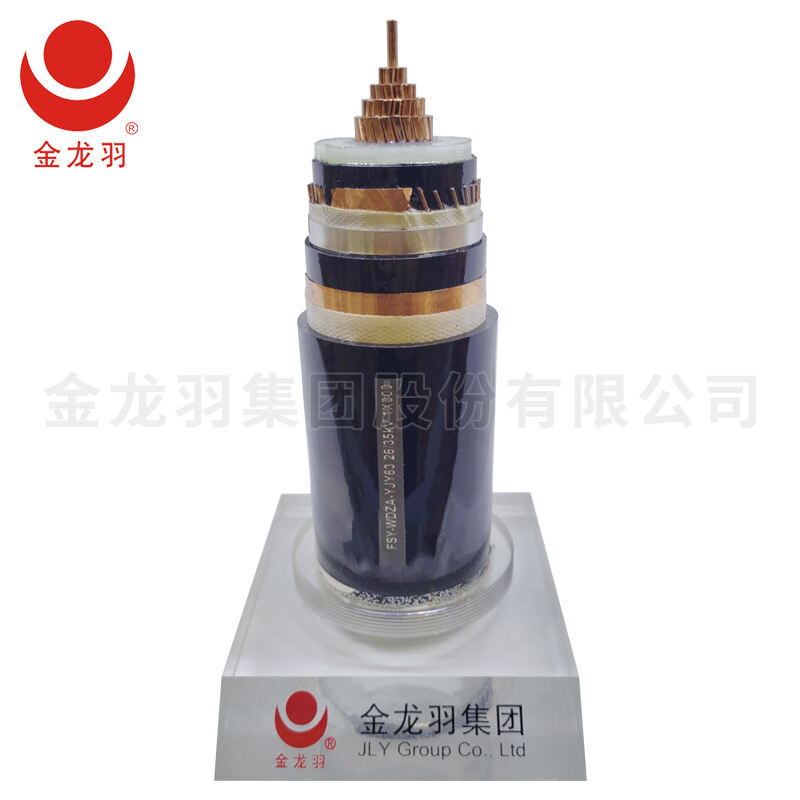
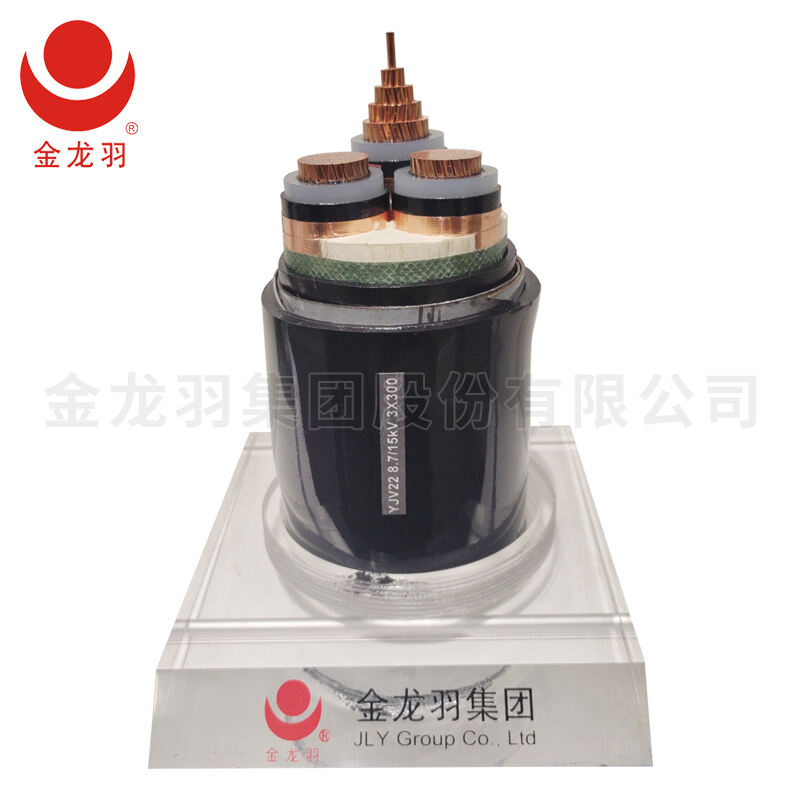
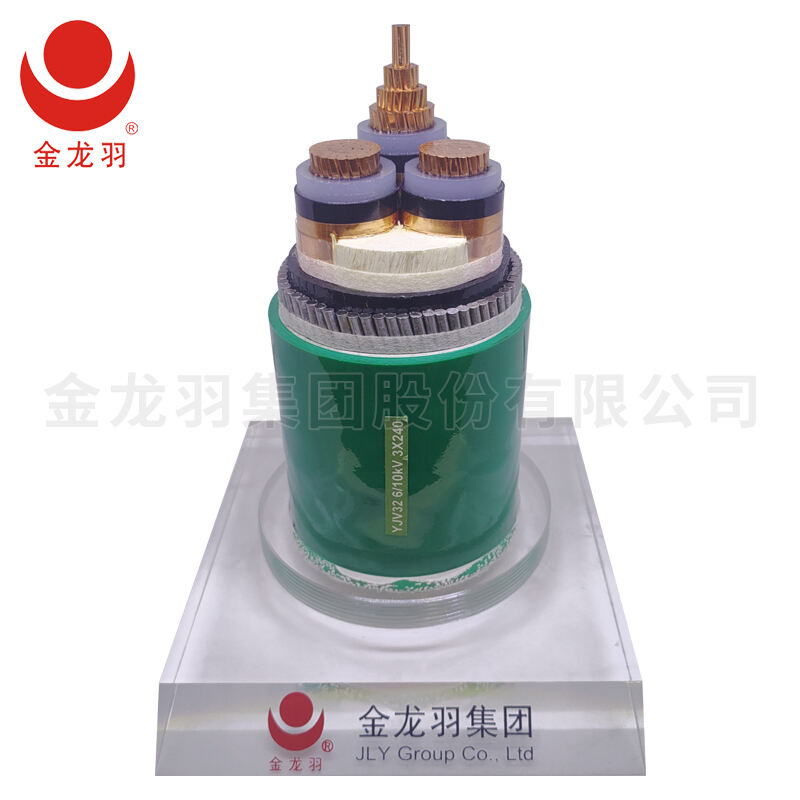
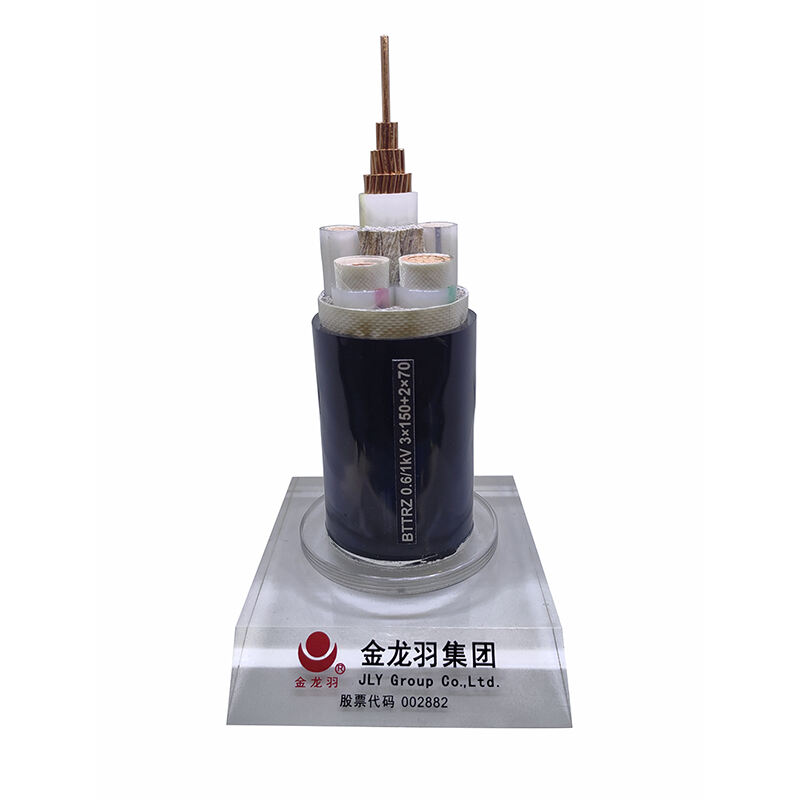
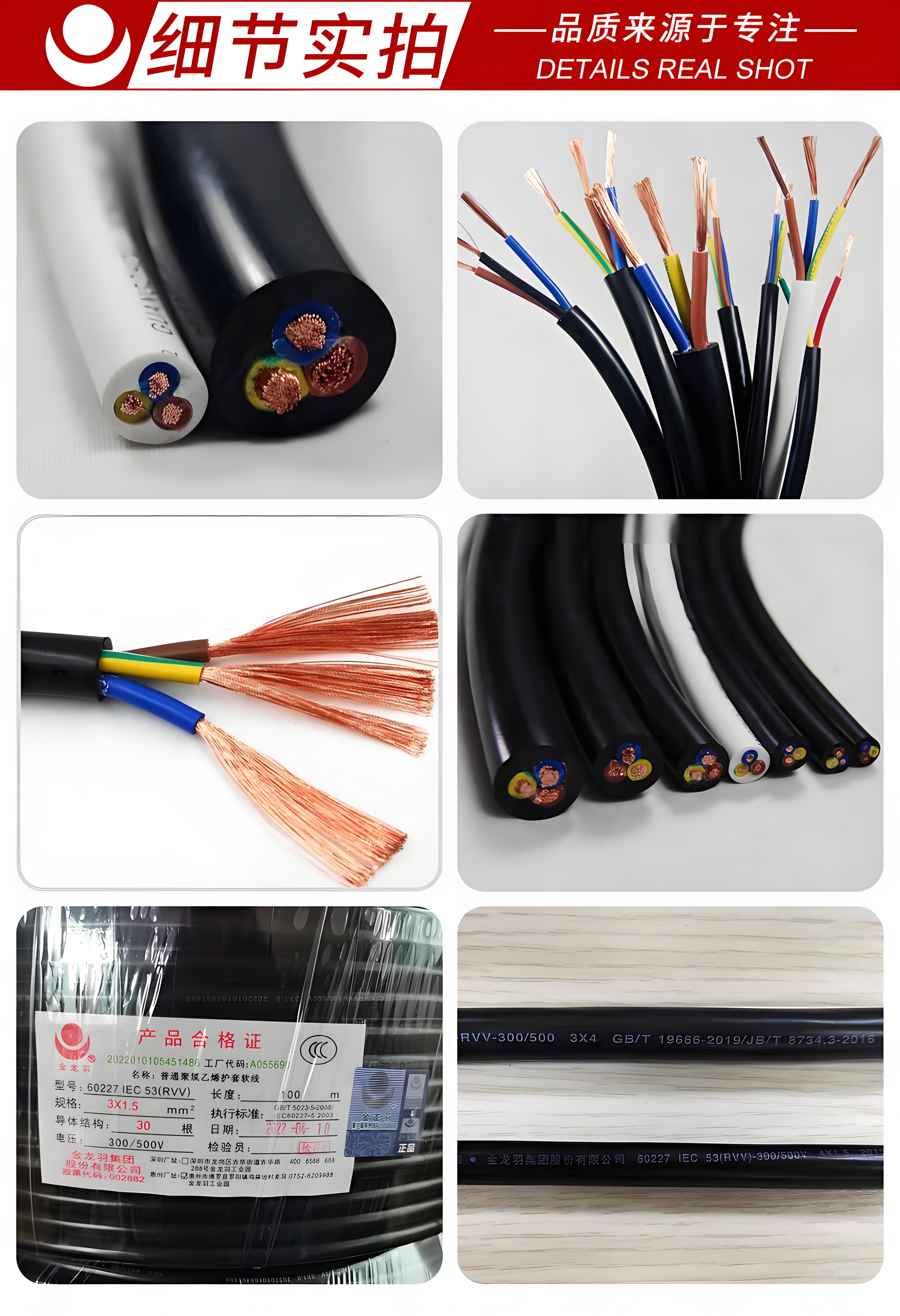
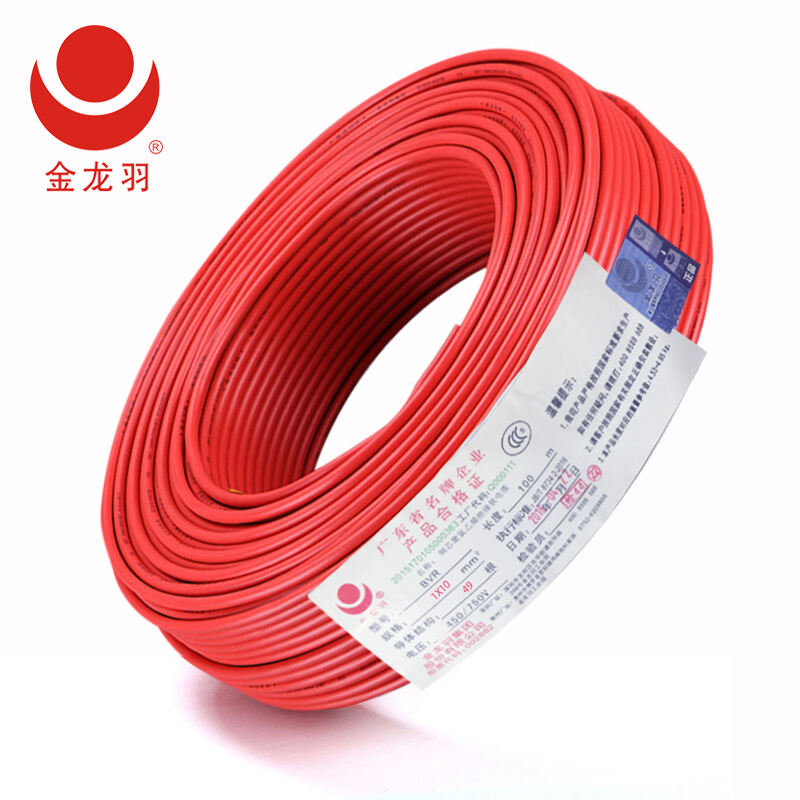
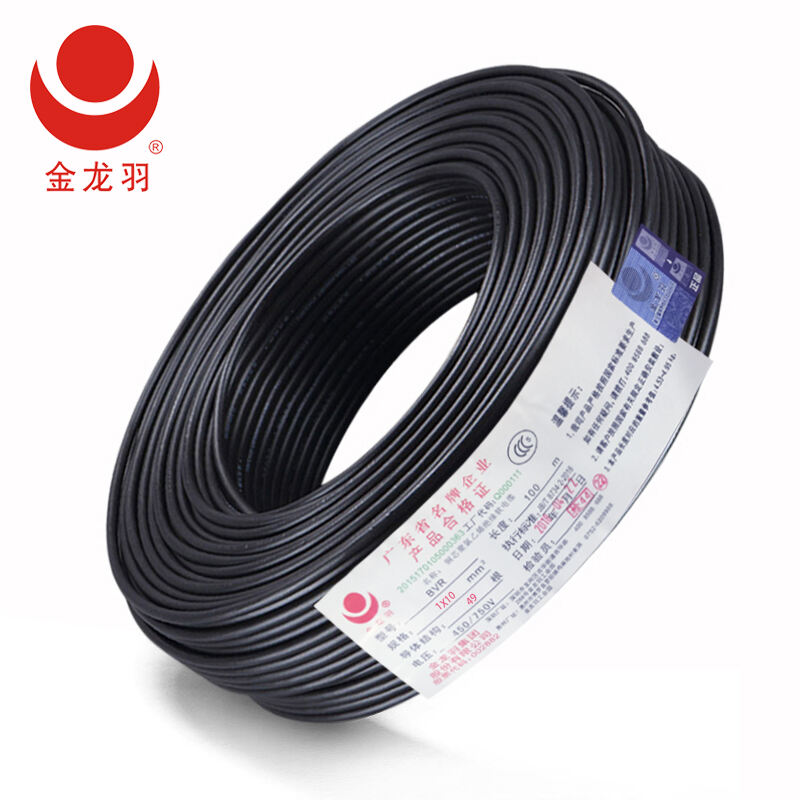
The process of How to Select the Right Cable Type is a fundamental engineering decision that directly impacts the safety, efficiency, longevity, and compliance of any electrical installation. It extends far beyond simply matching ampere ratings. At Weidong Cable, we advocate a systematic, factor-driven approach to this selection, ensuring the chosen cable is optimized for its entire lifecycle within its specific operating environment.
Step 1: Define Core Electrical Parameters
The primary technical starting points are current-carrying capacity (ampacity) and voltage rating. The cable must be sized to handle the maximum expected load without overheating, as defined by standards like IEC 60364. Equally critical is selecting a voltage rating that exceeds the system's nominal voltage to withstand transient surges. Equally vital is the choice of conductor material—high-conductivity copper, which we prioritize, offers superior efficiency and connectivity compared to alternatives. For longer runs, voltage drop becomes a key consideration; selecting a larger conductor cross-sectional area may be necessary to ensure adequate voltage at the load point, especially in large-scale outdoor engineering projects.
Step 2: Assess the Installation Environment
This is where selection becomes nuanced. The operating environment dictates necessary protective features.
-
Indoor (Building Wiring): For interior decoration and general power, factors include ambient temperature, installation method (conduit, tray, direct wall), and fire safety requirements. In plenum spaces, low-smoke zero-halogen (LSZH) cables are often mandated to minimize toxic fumes in a fire.
-
Outdoor & Direct Burial: Cables exposed to sunlight, moisture, temperature extremes, or buried directly require robust protection. UV-resistant sheathing, waterproof construction, and mechanical protection like steel wire armoring (SWA) are essential. Our experience supplying projects from Guangxi's humidity to Xinjiang's thermal swings informs our product design for these conditions.
-
Industrial & Harsh Locations: Factories or workshops may expose cables to oils, chemicals, abrasion, or frequent flexing. Selecting cables with chemically resistant jackets (like PVC or CPE), increased mechanical strength, or specialist flexing designs is crucial.
Step 3: Identify Required Certifications & Standards
Compliance is non-negotiable. The right cable must meet all applicable national and regional standards for safety and performance (e.g., GB, IEC, BS, UL depending on the market). It may also require specific certifications for fire resistance, flame retardancy, or halogen content. Using non-compliant cable voids insurance and creates liability. Our "Heshengtong" product line is manufactured with strict adherence to relevant standards, providing documented compliance that simplifies your specification process and ensures regulatory acceptance.
Step 4: Consider Long-Term Performance & Total Cost of Ownership
The cheapest cable per meter can be the most expensive long-term investment. Selecting the right type means evaluating total cost of ownership (TCO). A cable with superior insulation materials, precise manufacturing tolerances, and high-conductivity copper, while potentially having a higher upfront cost, minimizes energy losses (saving operational costs), reduces failure risk (saving on maintenance and downtime), and extends service life. This philosophy of value is embedded in our products, supporting our goal of "maintaining customers with reputation."
Step 5: Partner with a Knowledgeable Supplier
Finally, the most effective step is collaborating with a technical supplier. A partner like Weidong Cable, with a comprehensive portfolio and application expertise, can translate your project parameters—load, environment, length, and standards—into a precise product recommendation. Our nationwide technical support network exists to provide this critical guidance, turning the complex question of How to Select the Right Cable Type into a confident, optimized decision.

 EN
EN