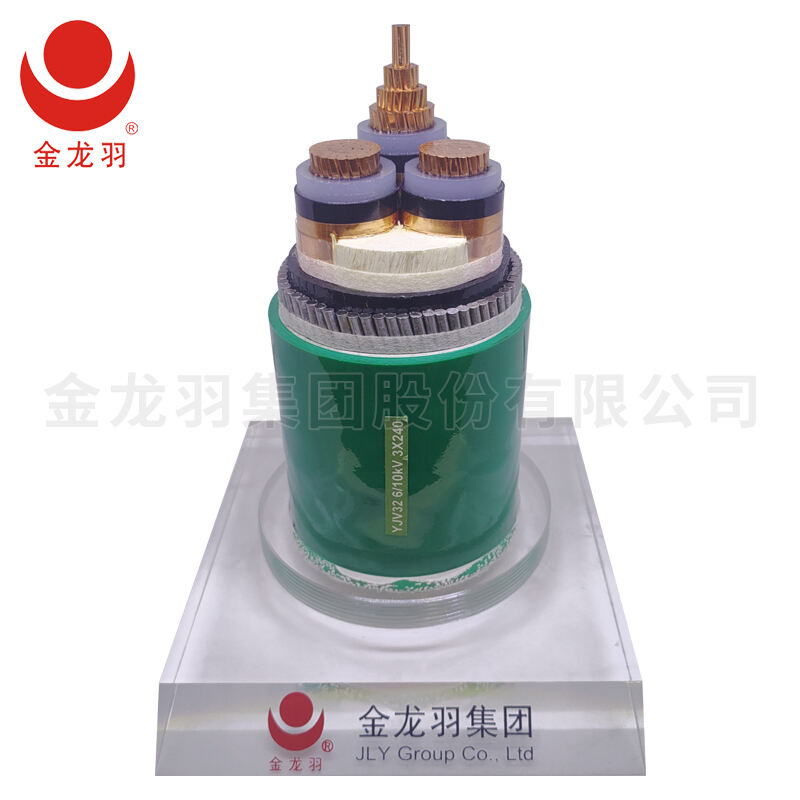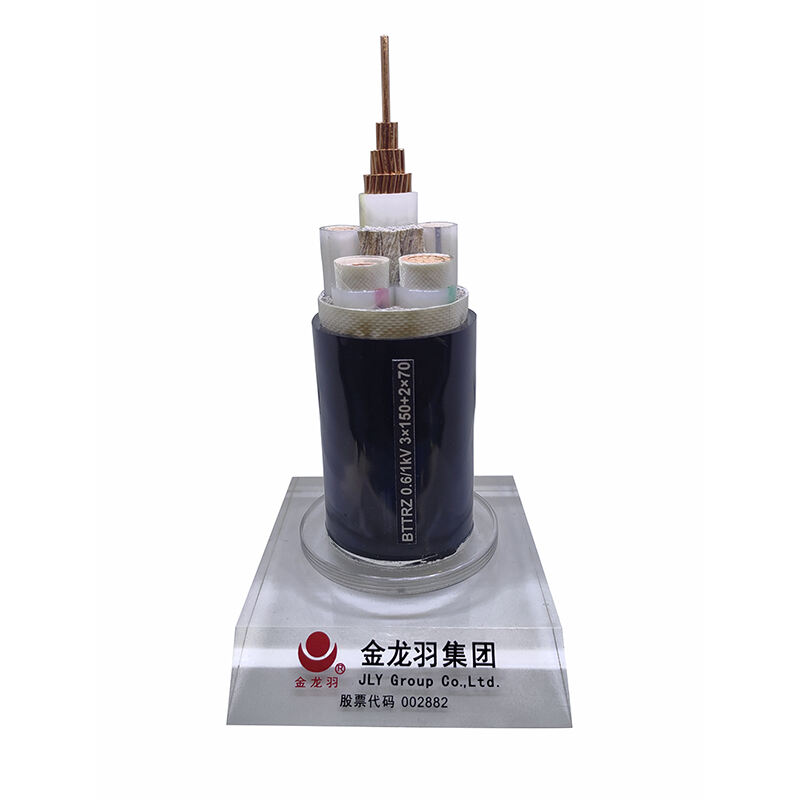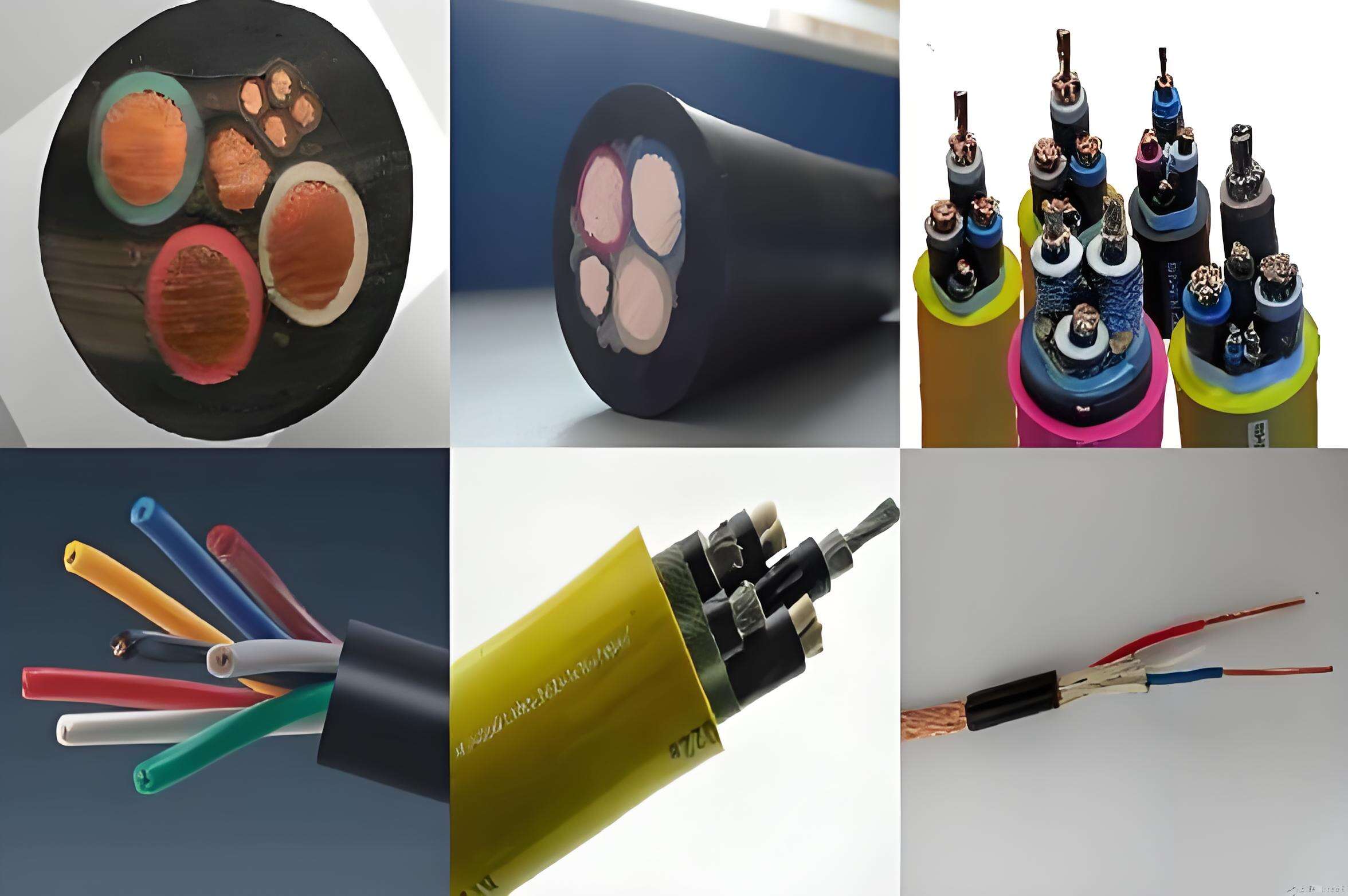

The lifespan of mineral cables is a crucial aspect that engineers, installers, and end-users consider due to their specialized applications. Mineral cables, often known as mineral insulated copper clad cables (MICC), typically have an impressively long lifespan, often exceeding 40 years under normal operating conditions. This longevity can be attributed to their unique construction. They feature a copper conductor encased in a highly compacted mineral insulation, usually magnesium oxide, which is then sheathed in a copper or stainless - steel outer layer. The mineral insulation is non - combustible and resistant to moisture, chemicals, and high temperatures, protecting the conductor from degradation. The metallic sheath provides excellent mechanical protection, safeguarding the cable against physical damage, rodent attacks, and even fire. Additionally, the lack of organic materials in their composition means they are not prone to the aging processes that affect traditional cables, such as the drying out and cracking of rubber or plastic insulation. However, factors like improper installation, exposure to extreme mechanical stress beyond their design limits, or continuous operation at temperatures far above their rated capacity can reduce their lifespan. Companies like Weidong Technology, with a wide network of partners across China from the Pearl River Delta to Xinjiang and a strong market presence demonstrated by their 2021 sales exceeding 1.4 billion, ensure that their mineral cables are manufactured to high standards, further contributing to their extended lifespan and reliability in various indoor and outdoor engineering projects.