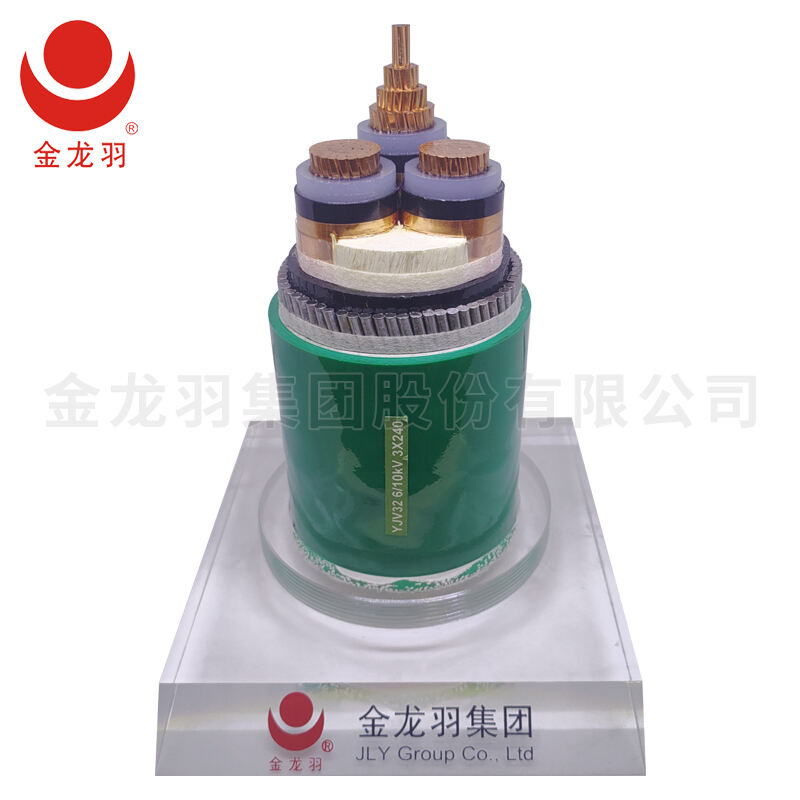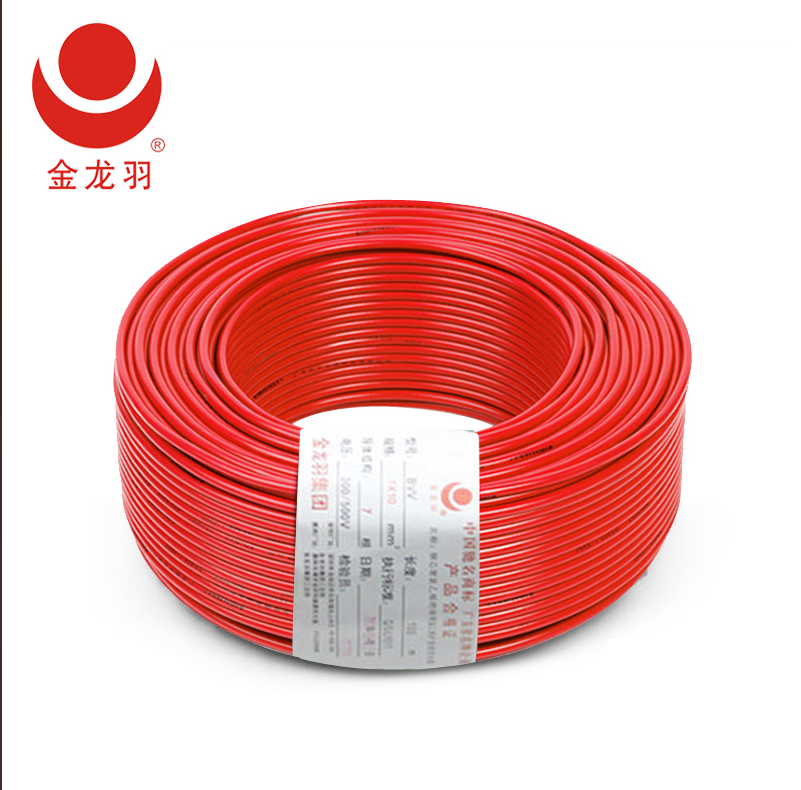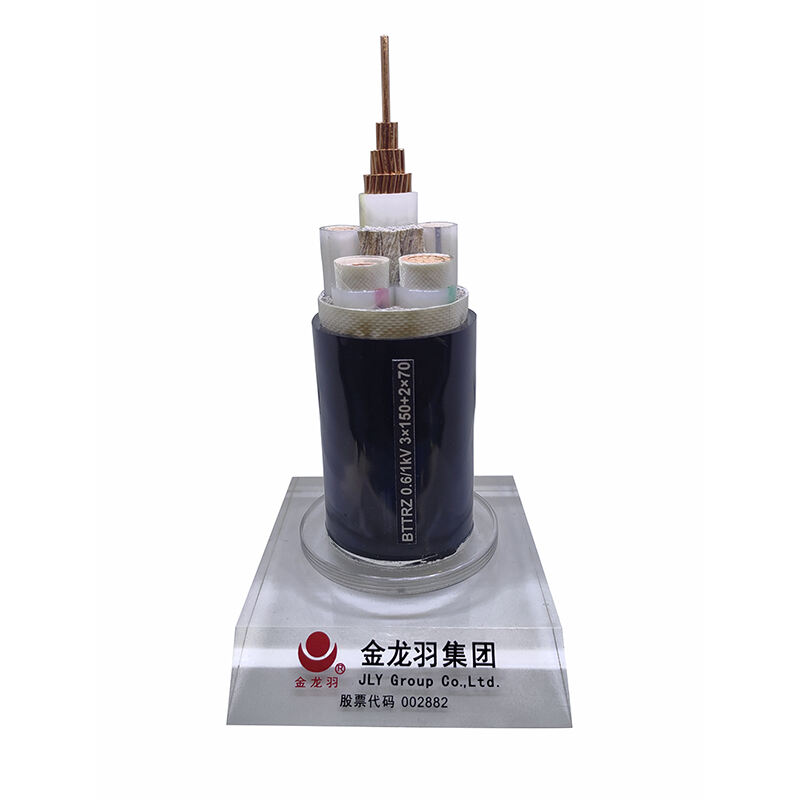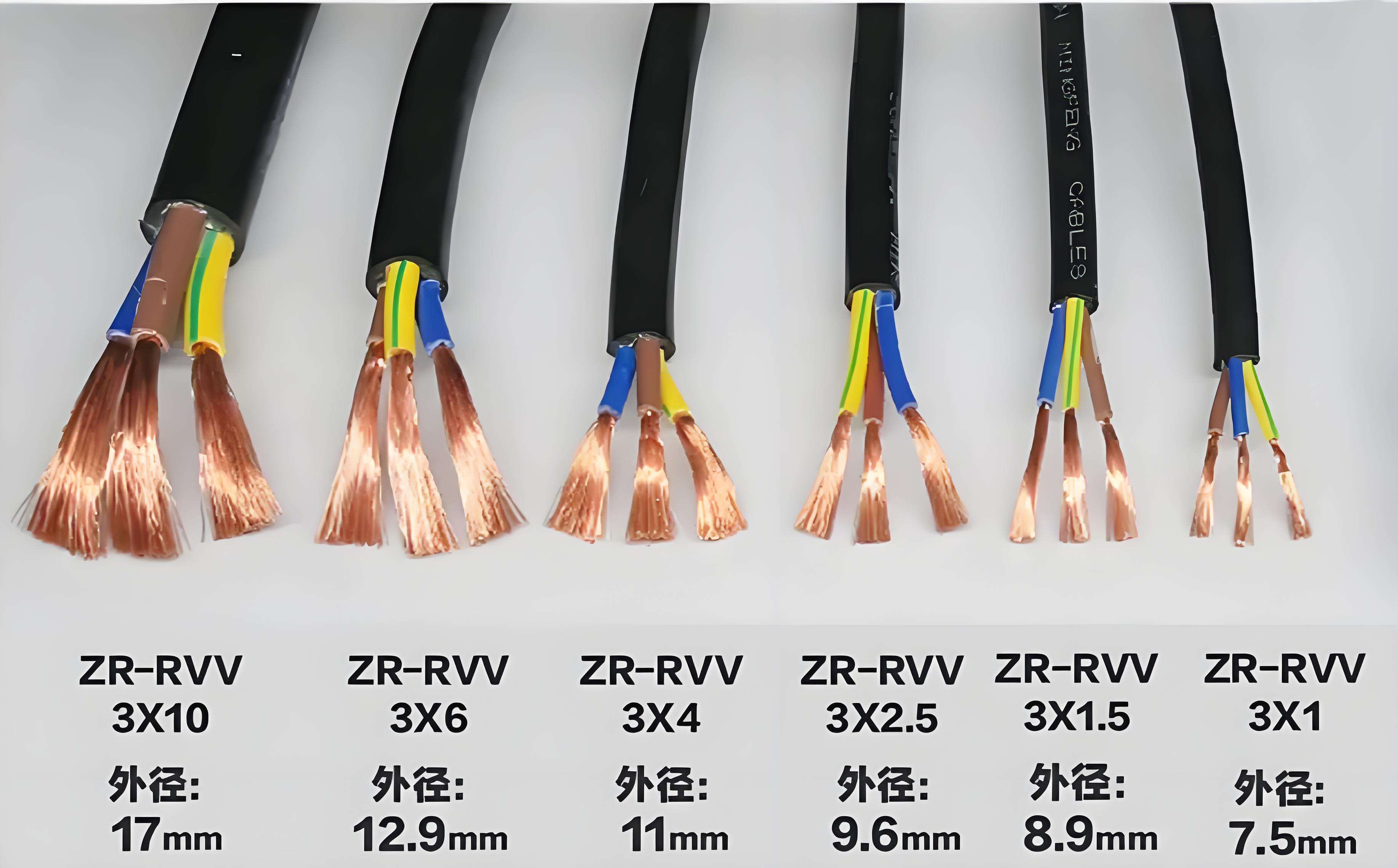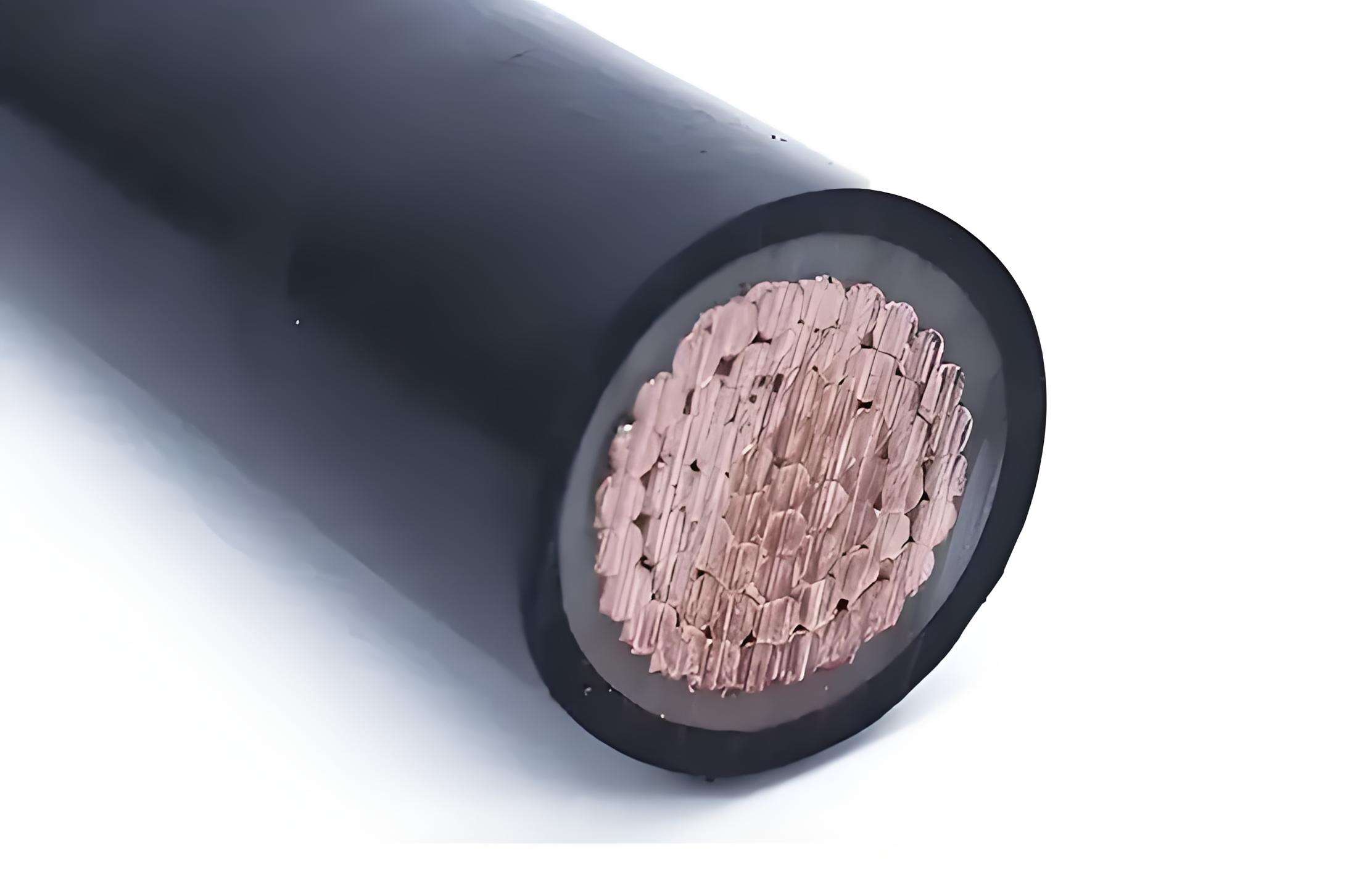


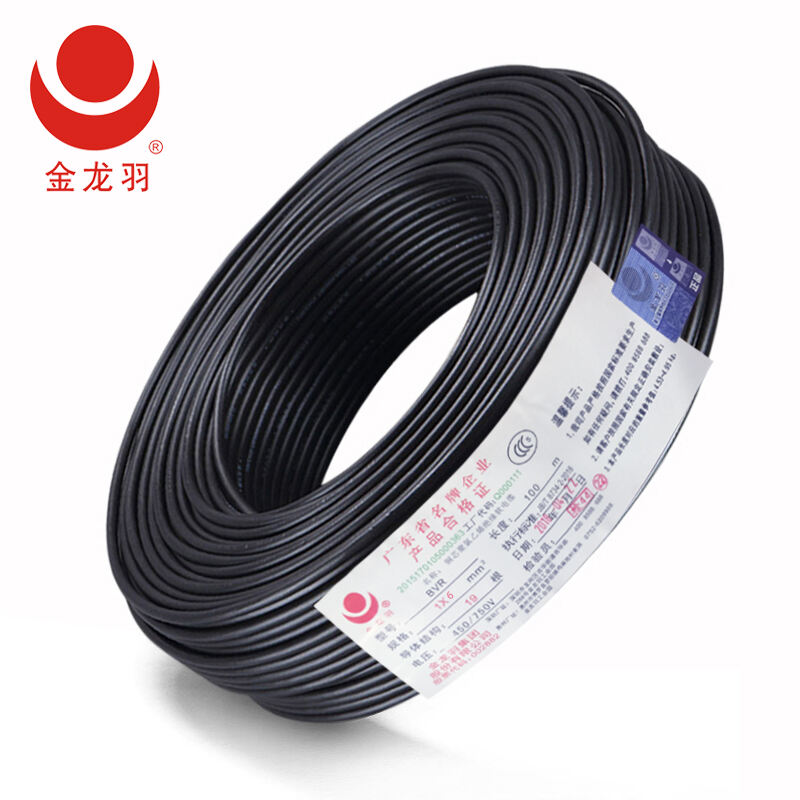
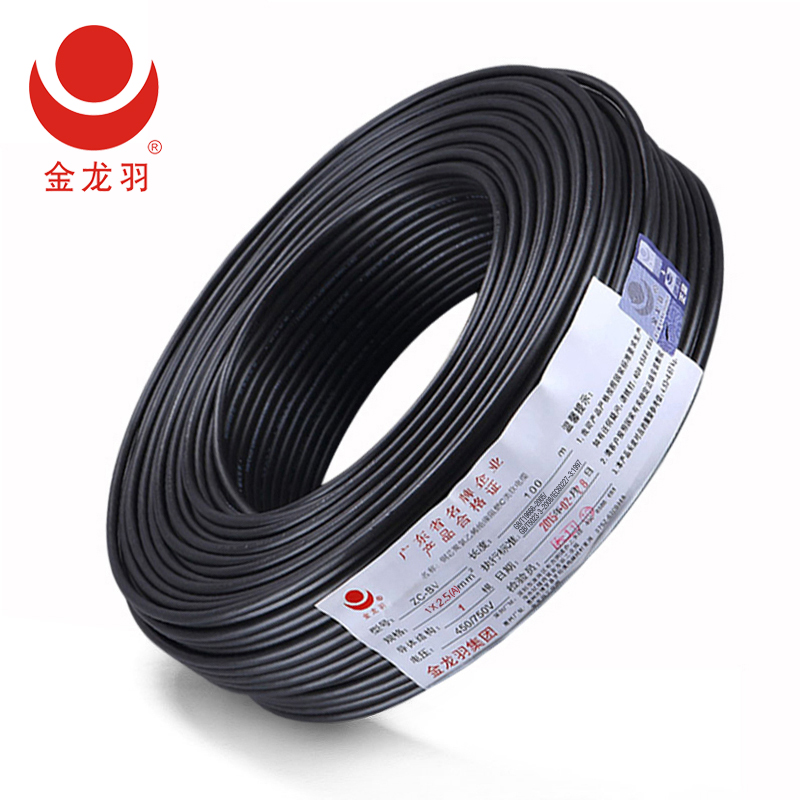
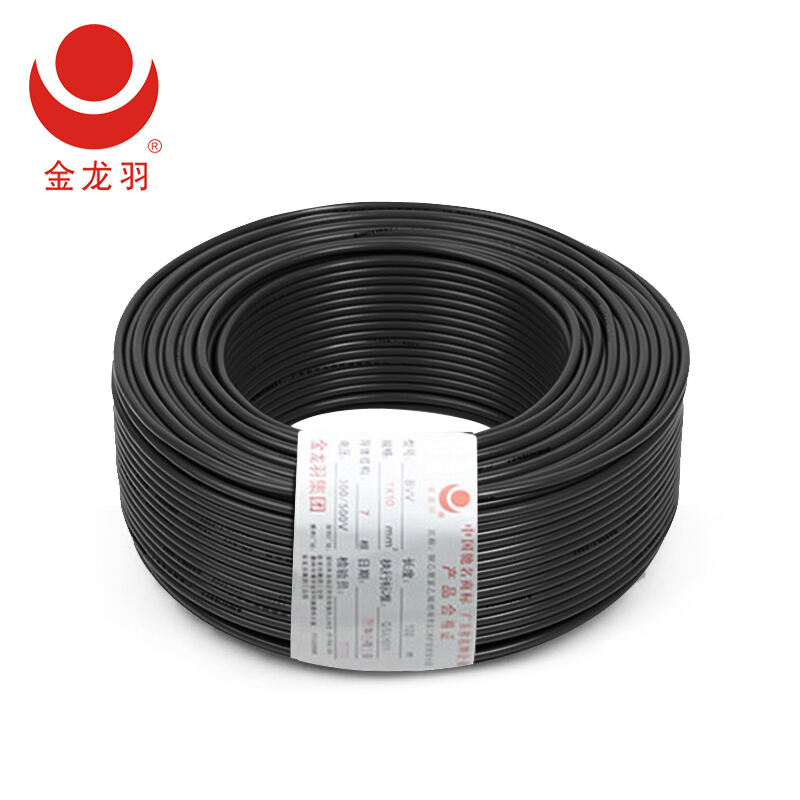
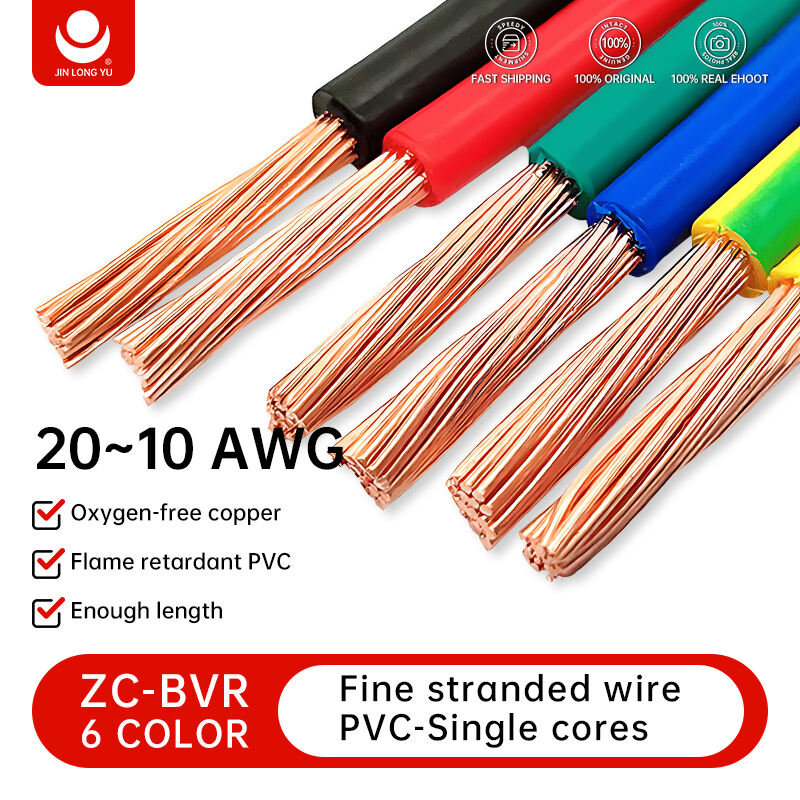
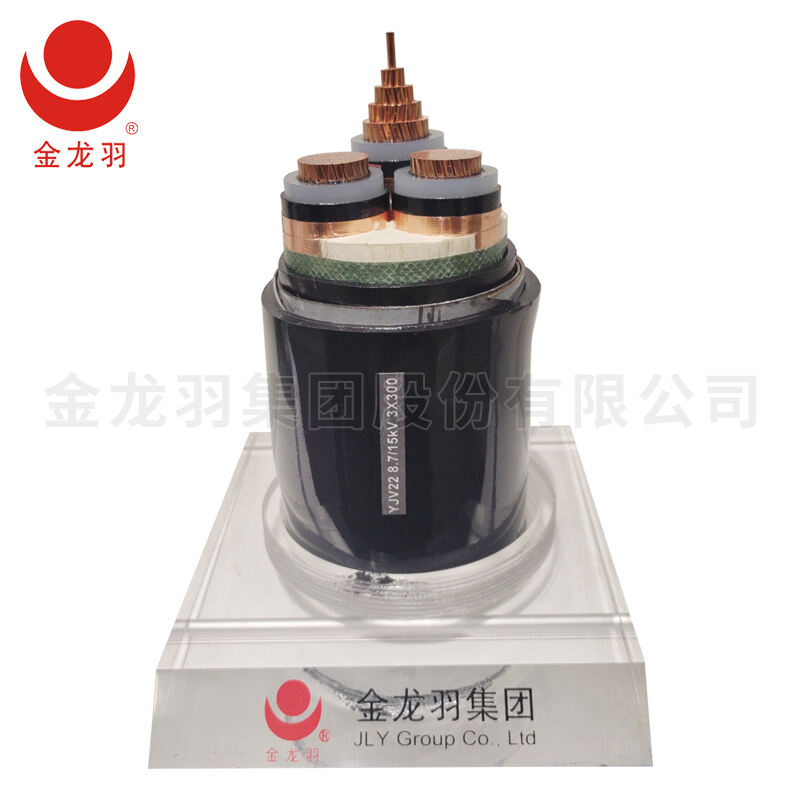
Understanding what the difference between cables is crucial for making informed decisions in various applications. Cables vary significantly in terms of conductor material, with copper offering higher conductivity and durability compared to aluminum, which is more cost-effective but may have higher resistance. Insulation types also differ; cross-linked polyethylene (XLPE) provides excellent heat resistance and longevity, while PVC is more commonly used for its affordability and basic insulation properties. Cable construction can range from single-core to multi-core designs, with multi-core cables being suitable for applications requiring the transmission of multiple signals or power sources simultaneously. Armored cables feature additional protective layers, making them ideal for outdoor or harsh environments where physical damage is a concern, whereas non-armored cables are typically used for indoor installations with less risk. Voltage ratings, current-carrying capacities, and application-specific features, such as fire resistance or flexibility, further distinguish cables, ensuring the right type is selected for each project's unique requirements.