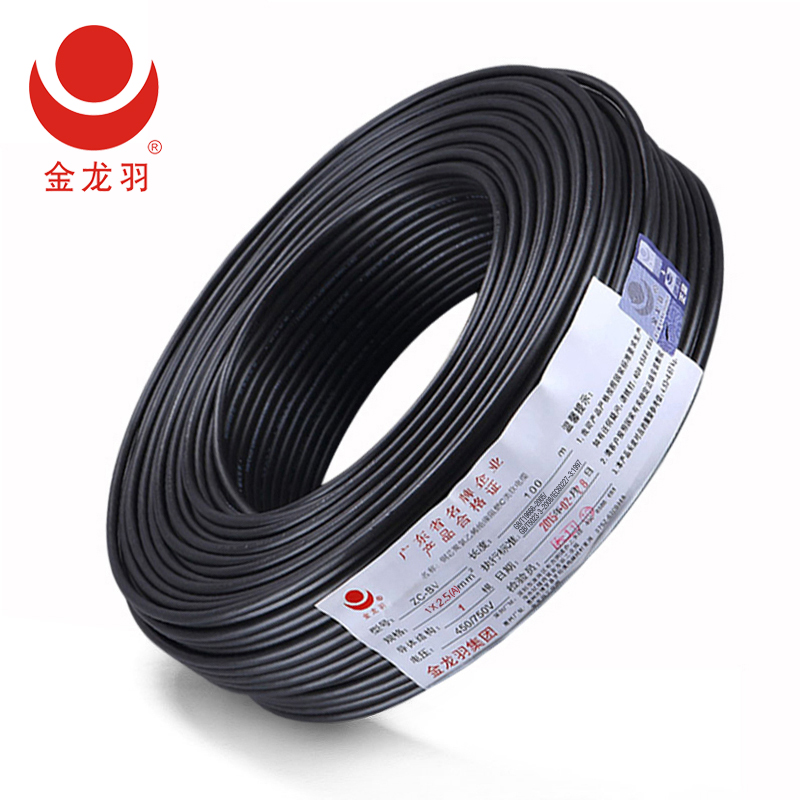
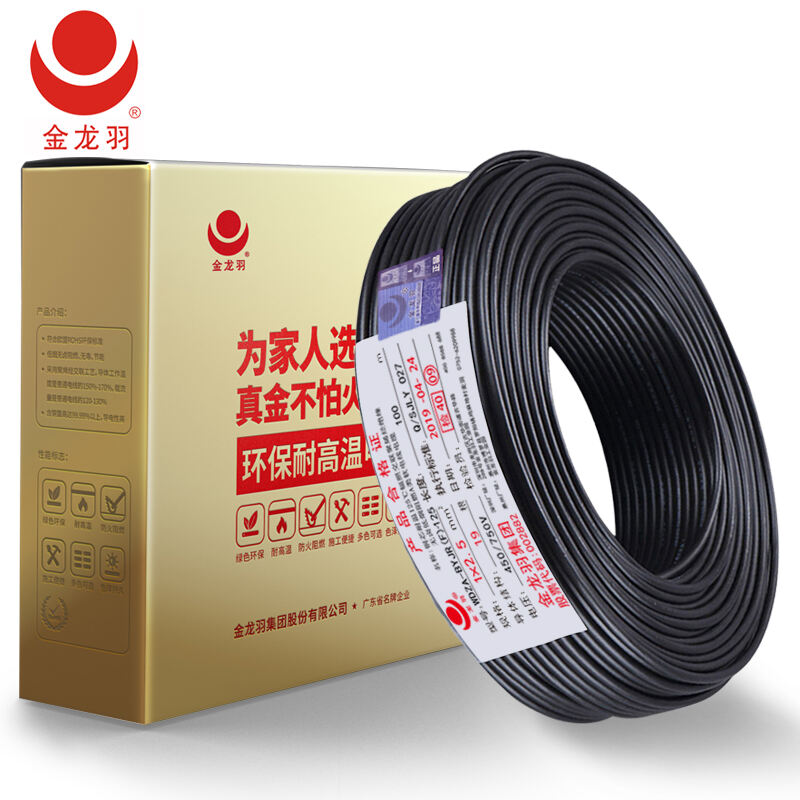
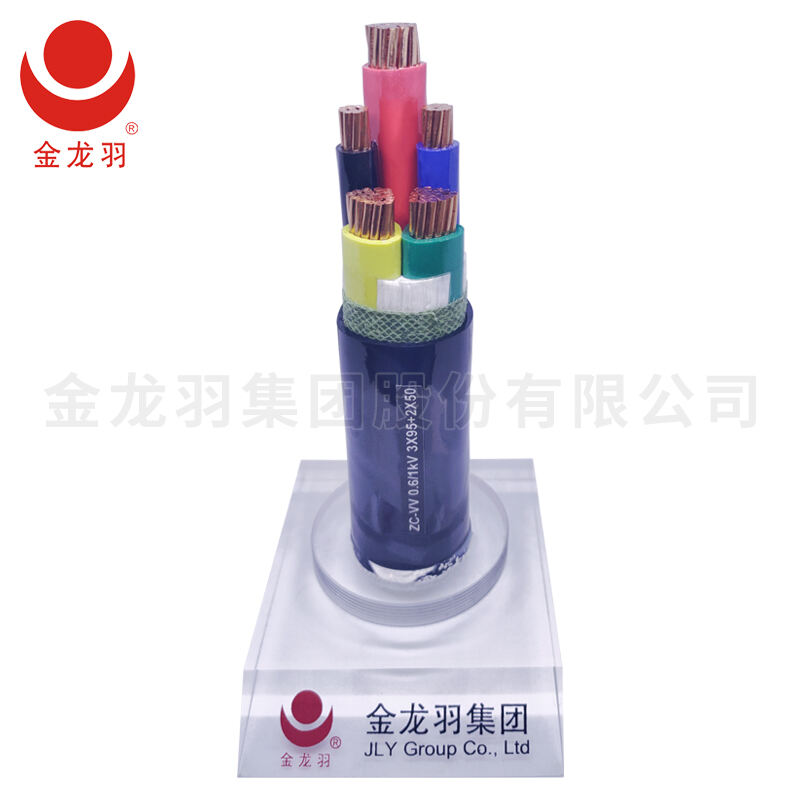
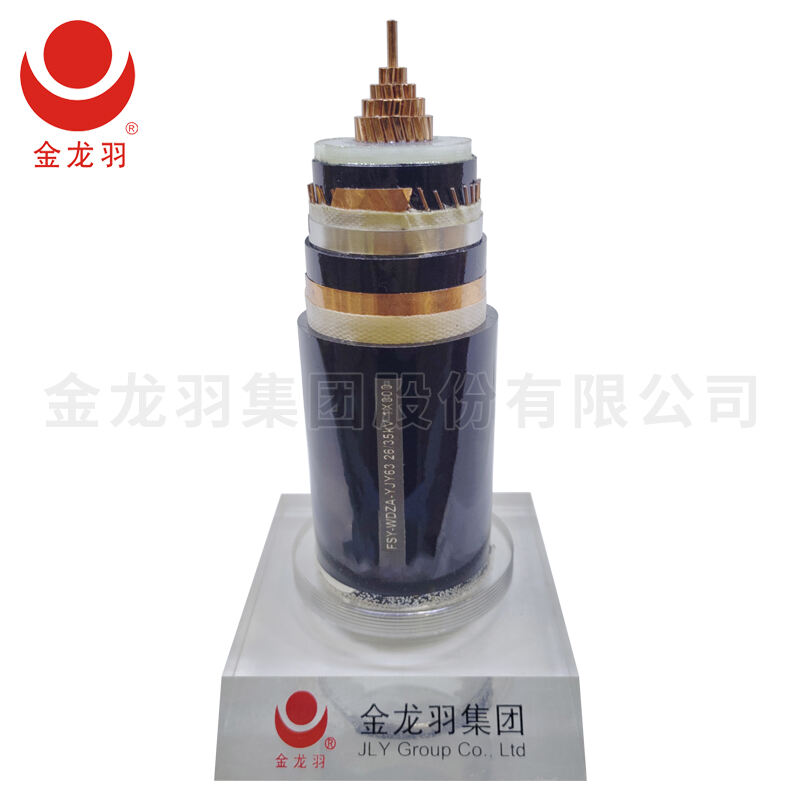
Power cables are the silent, indispensable circulatory system of the modern world, transmitting electrical energy from its source to the point of consumption. Understanding What Are the Common Uses of Power Cables requires examining the broad categories that define our built environment and industrial activity. At Weidong Cable, our "Heshengtong" products are integral to each of these sectors.
1. Building and Construction: The Backbone of Habitation and Commerce.
This is the most visible category, encompassing all structures where people live and work.
-
Residential Wiring: This includes the cables hidden within walls, ceilings, and floors that power lighting, outlets, and major appliances (ovens, dryers). Common types include non-metallic sheathed cable (NM) and individual THHN wires in conduit, chosen for safety, flexibility, and compliance with residential electrical codes.
-
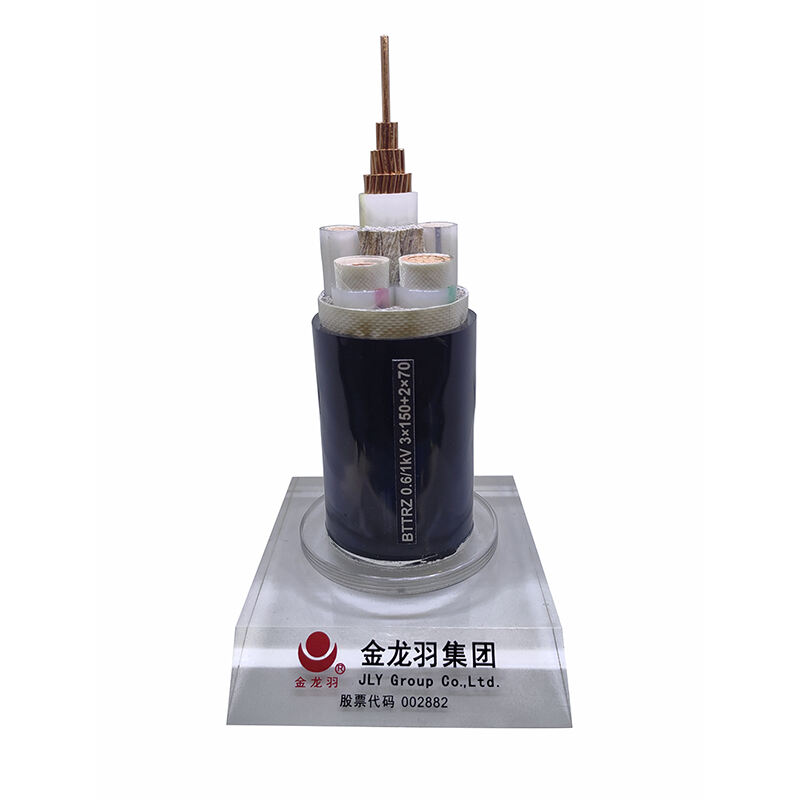
Commercial and Institutional Buildings: Offices, hospitals, schools, and retail spaces have higher and more complex demands. Uses extend to general power distribution, lighting circuits, and dedicated lines for HVAC systems, servers, and medical equipment. Fire safety is paramount, leading to widespread use of Low-Smoke Zero-Halogen (LSZH) cables in plenums and escape routes.
-
Interior Decoration & Fit-Outs: A key specialty, this involves the cabling for renovated spaces, custom lighting, and integrated systems. It requires cables that are easy to work with, aesthetically considerate (e.g., for exposed conduit designs), and compliant with the latest building standards.
2. Industrial and Manufacturing: Powering Production.
Industrial settings present the toughest challenges: high loads, constant operation, and harsh environments.
-
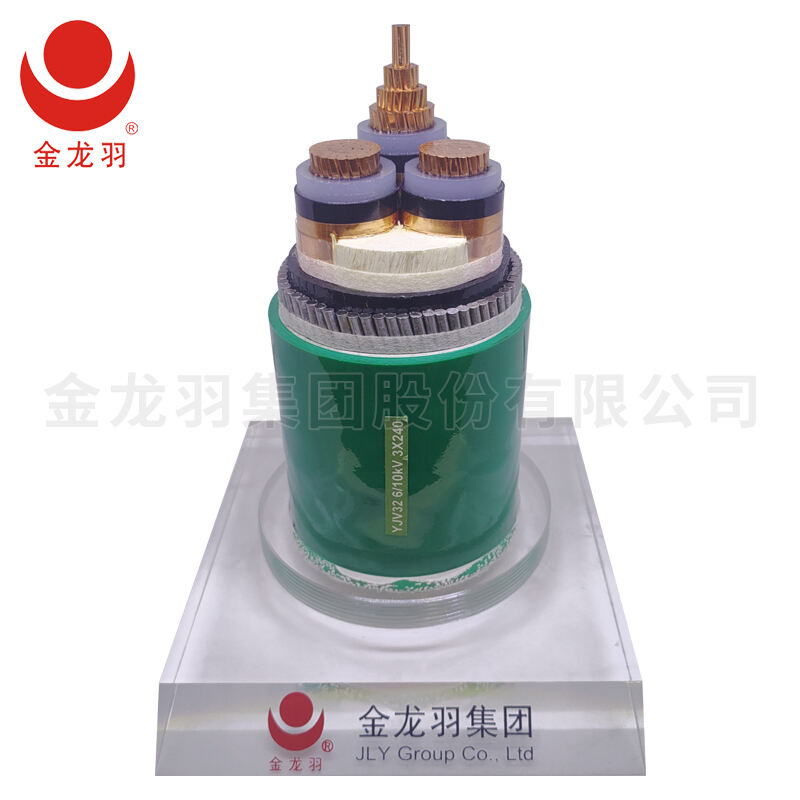
Factory Power Distribution: Heavy machinery, motors, and assembly lines require robust cables like armored (SWA) or mineral insulated (MI) types that offer superior mechanical protection, resistance to oils and chemicals, and high-temperature tolerance.
-
Control and Automation: Beyond main power, modern factories rely on a network of control cables for sensors, PLCs, and automated systems. These often require shielding to prevent electromagnetic interference (EMI) from disrupting sensitive signals.
3. Infrastructure and Utilities: The Public Arteries.
These are the large-scale applications that support society.
-
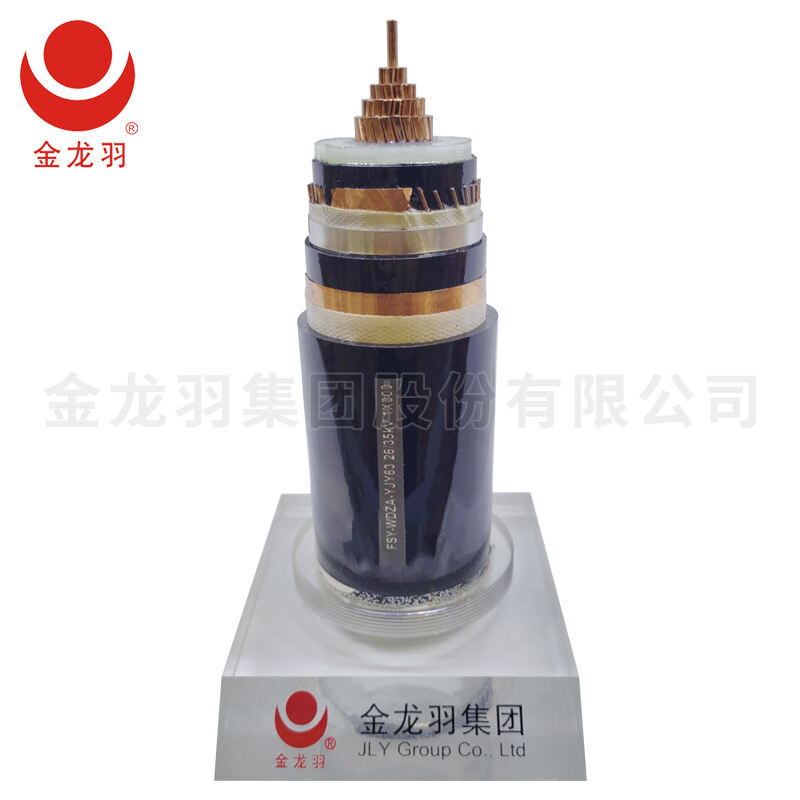
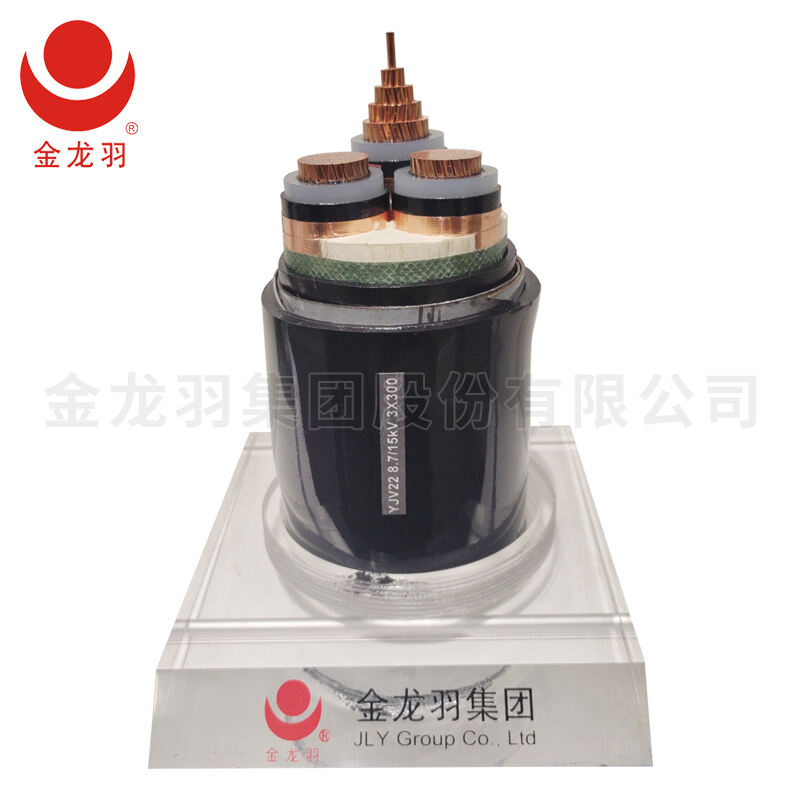
Power Transmission and Distribution (T&D): This includes the medium and high-voltage cables used by utility companies in substations, underground distribution networks, and as connections to transformers. They are designed for high efficiency over long distances and exceptional durability.
-
Transportation: Railways, airports, and tunnels use specialized cables for signaling, lighting, and traction power. These must be highly reliable, fire-resistant, and often designed for direct burial or exposure to vibration.
-
Outdoor Engineering & Civil Projects: This encompasses street lighting, traffic management systems, park infrastructure, and waterfront developments. Cables here need weatherproof, UV-resistant jackets and protection against moisture and corrosion.
4. Energy Generation: From Traditional to Renewable.
Power cables are critical at the very source of electricity.
-
Traditional Power Plants: Within coal, gas, or nuclear plants, cables must withstand high temperatures and rigorous safety standards.
-
Renewable Energy Farms: This is a rapidly growing use case. Solar farms require specialized DC cables with sunlight-resistant insulation, while wind farms need flexible, torsion-resistant cables for the moving nacelle and tower. Our experience supplying projects across diverse regions like Jiangsu and Xinjiang informs these specialized products.
5. Special Applications.
This includes niche but vital uses such as shipboard wiring (requiring moisture and salt resistance), mining cables (with extra mechanical robustness), and temporary power for events and construction sites (using heavy-duty portable cordage).
In essence, the common uses of power cables are defined by the environment, load requirements, and safety regulations of the application. Choosing a supplier like Weidong Cable, with a proven track record across all these sectors, ensures access to technically appropriate, reliable, and compliant cabling solutions for any project, from the most common residential retrofit to the most demanding industrial installation.

 EN
EN