What Are The Advantages Of Copper Cables? A Deep Dive into the Industry Standard
In the realm of electrical and data transmission, the choice of conductor material is foundational to system performance, safety, and total cost of ownership. While alternatives exist, copper continues to be the preferred choice for engineers, contractors, and project managers worldwide. At Weidong Technology, with our extensive experience serving diverse markets across China through our partners and subsidiary brand "Heshengtong," we have a firsthand understanding of why copper cables deliver unparalleled value. This article delves into the core advantages that solidify copper's dominant position.
The primary and most significant advantage of copper is its exceptional electrical conductivity. It offers the lowest resistance to the flow of electricity among all commercially viable metals except silver. This characteristic is crucial for efficiency. Lower resistance means less energy is lost as heat during transmission, leading to more efficient power delivery. For large-scale engineering projects or long cable runs, this efficiency translates into substantial operational cost savings and a reduced environmental footprint due to lower energy waste. In data transmission, high conductivity ensures signal integrity, minimizing loss and supporting higher bandwidths, which is vital for modern telecommunications and networking infrastructure.
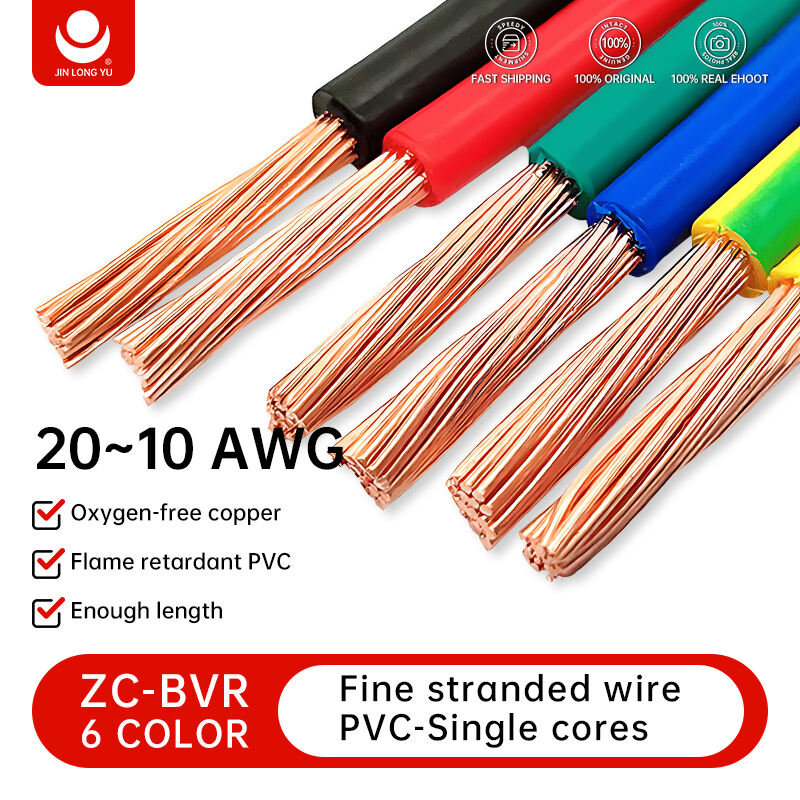
Beyond conductivity, copper’s physical properties contribute to its long-term reliability and durability. It is highly ductile and malleable, allowing it to be drawn into fine strands without breaking, which enhances flexibility for installation in complex routes. Despite this flexibility, copper possesses high tensile strength and excellent resistance to corrosion, creep, and thermal stress. These attributes ensure that copper cables maintain their performance over decades, even in harsh environmental conditions—be it the humidity of coastal regions like Hainan or the temperature extremes in Xinjiang. This longevity reduces lifecycle costs and system downtime, a key consideration for critical infrastructure.
Safety is a non-negotiable aspect of any electrical installation. Copper cables inherently support safer systems. Copper has a high melting point (1085°C), which allows it to withstand higher operating temperatures and overload conditions without failing. Its superior thermal conductivity also helps dissipate heat away from connection points, reducing the risk of hotspots that can lead to insulation degradation or fire. Furthermore, copper is a stable material that does not pose long-term environmental health risks during its service life. Its reliability directly contributes to safer buildings and industrial facilities.
Finally, copper benefits from universal acceptance and compatibility. It is the established benchmark against which other materials are measured. Global electrical codes, standards, and component manufacturers design around copper’s properties. This universality simplifies specification, procurement, and installation. Contractors are familiar with its handling, and connectors are optimized for it, ensuring secure and reliable terminations. For a company like Weidong, with a sales philosophy centered on speed and reputation, supplying this standardized, trusted solution allows us to rapidly adapt to market needs and provide products that integrate flawlessly into any project, from a boutique interior fit-out in Guangzhou to a major utility project in Sichuan.

 EN
EN