High Voltage Transmission Wires: Engineering the Lifelines of Electrical Grids
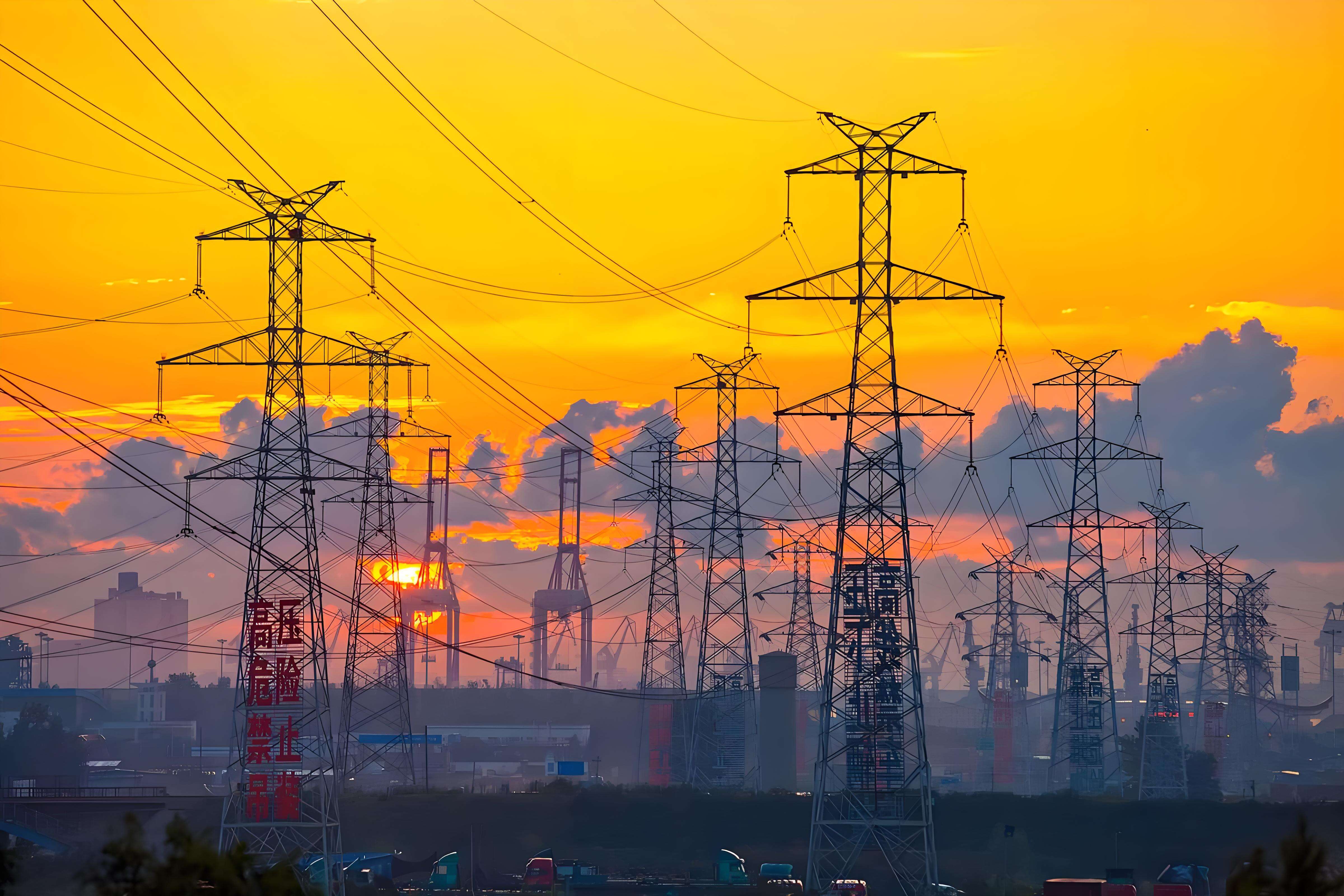
High Voltage Transmission Wires, specifically the overhead conductors that crisscross landscapes, are marvels of modern engineering. They are not simple wires but complex, precision-built components responsible for transporting massive amounts of electrical energy over hundreds of kilometers with remarkable efficiency. At Weidong Technology, with our proven scale and the technical depth of the "Heshengtong" brand, we contribute to this critical infrastructure. This professional overview examines the design, materials, and considerations that define these essential grid assets.
The Imperative of High Voltage and Conductor Design: Transmitting electricity at high voltages (typically 110kV and above) is a fundamental principle for reducing energy loss. Power loss is proportional to the square of the current (I²R). By increasing voltage, the current for a given power level is reduced, thereby dramatically decreasing resistive losses. The conductor is at the heart of this system. The most common types are ACSR and AAAC. ACSR combines the excellent conductivity and light weight of aluminum strands with the high tensile strength of a central steel core, making it ideal for long spans and heavy loading. AAAC, made from a magnesium-silicon alloy, offers better corrosion resistance and slightly higher strength-to-weight ratio than pure aluminum equivalents, often preferred in corrosive environments or for medium spans.
Material Science and Performance Parameters: The choice of material and its treatment is precise. Electrical Grade Aluminum (EC Grade) with a minimum purity of 99.7% is standard for its optimal balance of conductivity and cost. The aluminum strands are often hardened (tempered) to achieve the necessary mechanical strength. For the steel core in ACSR, high-strength galvanized or Aluminized wires are used for corrosion protection. Key performance parameters include the Ultimate Tensile Strength (UTS) to withstand maximum load, the Coefficient of Thermal Expansion which affects sag calculation, and the DC Resistance at 20°C which directly impacts efficiency. Engineers must meticulously calculate the "sag-tension" relationship for a given conductor under various temperature and load conditions to ensure safe clearance from the ground and other objects—a process where precise conductor specifications from a reliable supplier like Weidong are indispensable.
Challenges and Advanced Solutions: Transmission lines face relentless challenges: wind-induced vibration (aeolian vibration) can cause fatigue failure at suspension points; ice accretion can lead to catastrophic overload; and corona discharge at high voltages causes power loss and audible noise. Our product development addresses these issues. We supply conductors with vibration dampers and recommend appropriate installation practices. For areas prone to ice, we offer conductors with larger cross-sections or specific shapes. Specialized designs like Gap-Type Heat-Resistant Conductors or conductors with trapezoidal-shaped strands can be provided for projects requiring higher ampacity within existing right-of-ways. Furthermore, considerations for environmental impact, such as bird-friendly marking or the use of materials with higher recycled content, are increasingly part of the specification dialogue we support.
The Value of a Qualified Supply Partner: Specifying High Voltage Transmission Wires involves more than a catalogue selection. It requires a partner who understands the entire ecosystem: from the metallurgy of the wire and compliance with standards like IEC 61089 or ASTM B232, to the logistics of delivering hundreds of tons of cable on large reels to a progressing construction site. Our sales milestone of 14 billion RMB underscores our capacity and reliability for such large-scale, critical infrastructure projects. Our nationwide presence means we can engage with project teams locally, understand site-specific environmental challenges (from the Sichuan basin to the Xinjiang plateau), and ensure that the conductors supplied are perfectly suited to the task, backed by a service philosophy that prioritizes long-term grid reliability.

 EN
EN