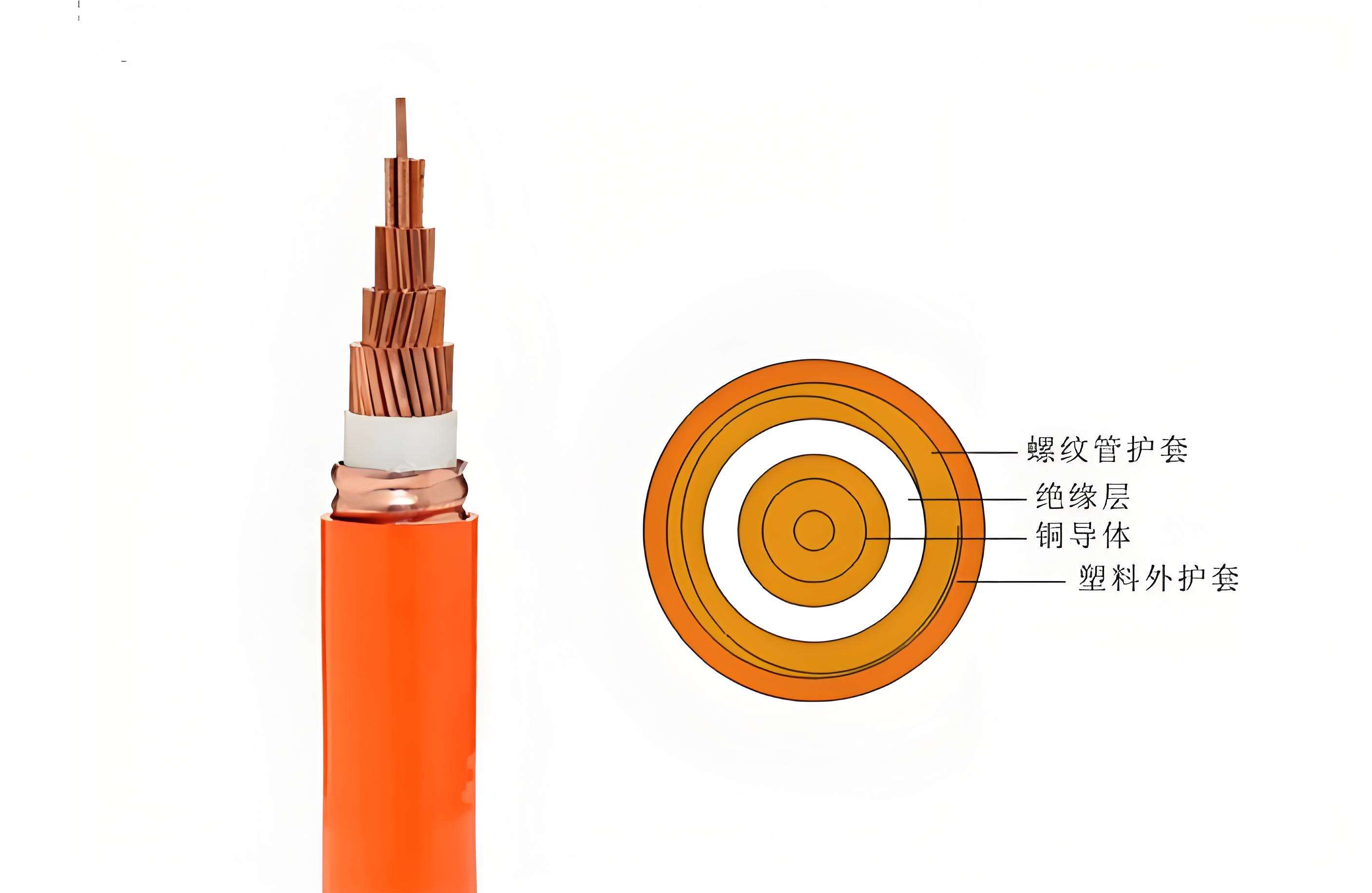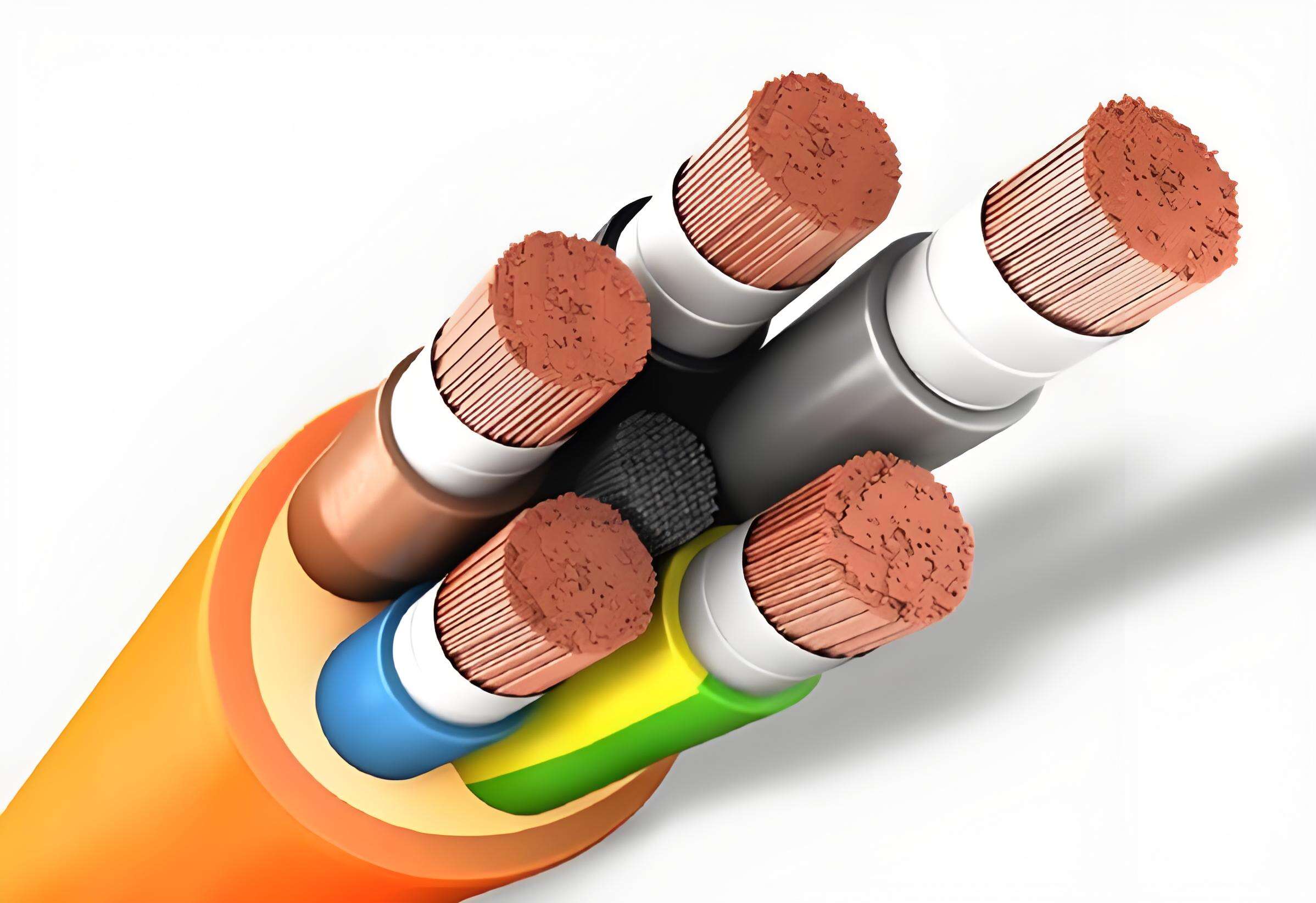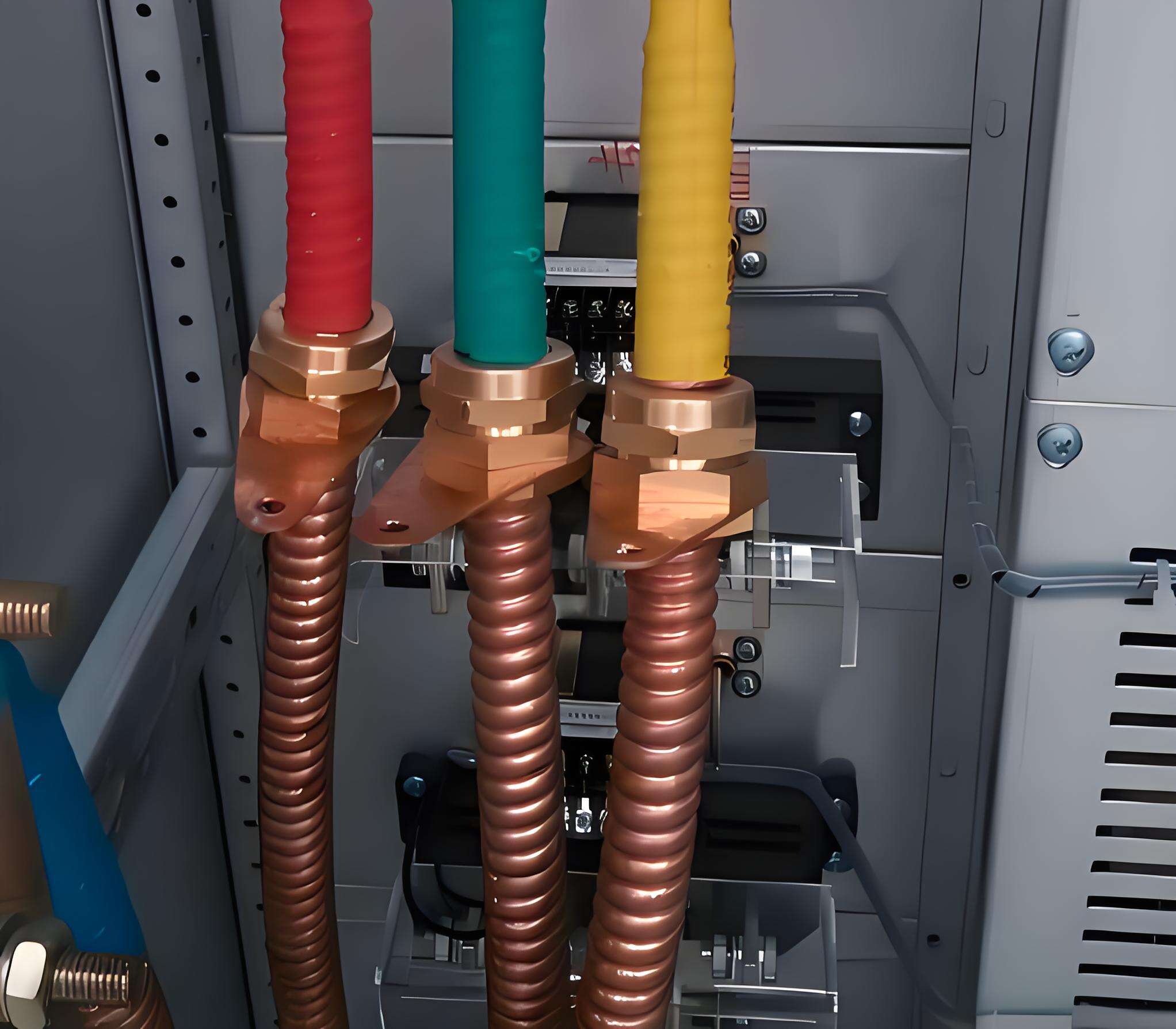


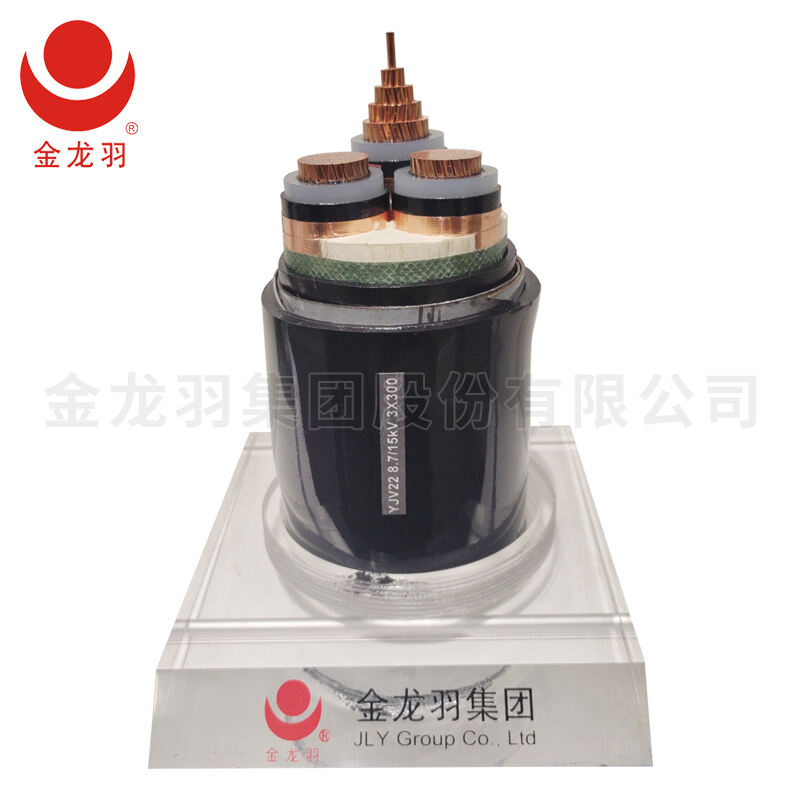
Understanding how do mineral insulated cables work requires examining their unique construction and operational principles, which enable them to deliver exceptional safety and durability in harsh environments. Mineral insulated cables work by utilizing a core of high-conductivity copper or aluminum as the conductor, responsible for transmitting electrical current efficiently. Surrounding this conductor is a dense layer of mineral insulation—typically magnesium oxide (MgO)—which is compressed to form a tight, non-combustible barrier; this insulation is what allows mineral insulated cables to work in high-temperature environments, as MgO is resistant to heat and does not burn or release toxic gases. Enclosing the insulation is a seamless copper sheath, which protects the internal components from mechanical damage, moisture, and corrosion, while also serving as an earth continuity conductor, enhancing electrical safety. When installed, mineral insulated cables work by maintaining electrical integrity even under extreme conditions: the mineral insulation prevents short circuits, while the copper sheath ensures structural stability, making them suitable for fire-rated circuits, industrial furnaces, and outdoor installations. Weidong Technology’s mineral insulated cables are engineered to work reliably in these demanding scenarios, with precise manufacturing ensuring the insulation is evenly distributed, maximizing their performance and safety.