
 EN
EN
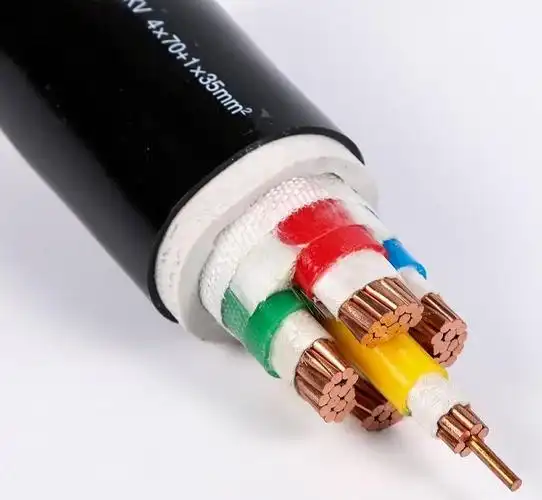
Understanding Low Voltage Wiring: Definition, Voltage Range, and Circuit Classifications
Definition and Voltage Range of Low Voltage Wiring Cables (50V or Less)
Low voltage wiring runs on 50 volts max, which makes it much safer than regular 120V circuits in home electrical systems. These wires fit within what's called NEC Article 725 rules for circuits that don't carry too much power. They work great for things like motion detectors around the house and those fancy smart thermostats people install nowadays. Most newer houses actually rely on this kind of wiring for about 8 out of 10 communication and control tasks throughout the property. The main reasons? Less chance of fires happening and because they play nicely with all sorts of gadgets that don't need huge amounts of electricity to function properly.
Class 2 and Class 3 Circuit Classifications in Residential Systems
Residential installations typically utilize two circuit classes:
- Class 2 Circuits: Limited to 100W (24V/4.2A maximum), used for doorbells, thermostats, and lighting controls
- Class 3 Circuits: Supports up to 300W (48V/6.25A), suitable for advanced home automation systems
These classifications help prevent overloads while ensuring code-compliant design across multi-zone setups.
Common Voltage Standards in Low Voltage Systems: 12V, 24V, and 48V
Most residential applications rely on standardized voltages:
- 12V for garden lighting and alarm sensors (62% market share per 2024 safety studies)
- 24V for HVAC controls and motorized blinds
- 48V PoE++ systems delivering up to 71W for security cameras
This hierarchy balances device compatibility with energy efficiency in modern smart homes.
Types and Construction of Low Voltage Wiring Cables Used in Homes
Twisted-pair cables: Category 5e and Category 6 for data and communication
In most homes today, twisted pair cables such as Cat5e and Cat6 form the foundation for data networks. These cables can handle speeds ranging from around 1 gigabit per second for Cat5e up to impressive 10 Gbps for Cat6, but only within about 100 meters or so. What makes Cat6 stand out is its tighter twisting pattern which cuts down on interference problems by roughly 30 percent when compared to older Cat5e models according to industry standards set forth in TIA-568-E.1 from 2023. For those wondering why these specs matter, both types actually contain 24 American Wire Gauge oxygen free copper inside them. This helps keep signals clean and strong throughout various smart home setups including voice over IP telephone systems where clear communication really counts.
| Feature | Cat5e | Cat6 |
|---|---|---|
| Max Speed | 1 Gbps | 10 Gbps |
| Frequency | 100 MHz | 250 MHz |
| Max Distance | 100 meters | 55 meters (10 Gbps) |
Coaxial cables: RG-6 for TV, satellite, and broadband applications
RG-6 coaxial cables transmit high-frequency signals up to 3 GHz, serving satellite TV and broadband in 82% of U.S. homes (FCC 2023). Their quad-shielded design blocks 90% more electromagnetic interference than RG-59, making them essential for 4K video transmission.
Fiber-optic cables in modern residential networks
Fiber-optic cables now serve 23% of U.S. homes requiring speeds above 1 Gbps (Fiber Broadband Association 2024). Single-mode variants with 9/125μm cores support 10 Gbps over 550 meters, ideal for multi-dwelling units and smart home backbones.
Shielded vs. unshielded low voltage wiring cables: When to use each
Shielded twisted-pair (STP) cables with aluminum foil reduce interference by up to 40 dB in electrically noisy environments like garages or near major appliances. Unshielded (UTP) cables are sufficient for low-interference zones such as thermostat wiring. The National Electrical Code mandates STP when running within 12 inches of AC power lines.
Wire Gauge, Performance Standards, and Signal Integrity in Low Voltage Systems
Wire Gauge Specifications for Low Voltage Systems: 12 to 24 AWG Explained
The American Wire Gauge system basically tells us what kind of electrical load different wires can handle and where they should be used in low voltage applications. Bigger wires like 12 to 14 AWG can carry more current, so they work well for things like heating and cooling systems. On the flip side, smaller wires from 22 to 24 AWG are fine enough for sending data signals through sensors and network connections. According to some research published last year, around 4 out of every 10 problems with weak signals in homes actually come down to using the wrong wire thickness. That really highlights why getting the right size matters when installing anything that needs electricity.
Performance Standards and Speed Capabilities by Cable Type
How well cables perform really comes down to whether they follow the TIA/EIA-568 standards or not. Take Cat 5e for instance it can handle speeds of around 1 gigabit per second over distances up to 100 meters. Then there's Cat 6 which pushes things further reaching 10 Gbps but only manages that speed within about 55 meters. For satellite TV applications, RG-6 coax remains popular because it maintains a solid 3 GHz bandwidth. Fiber optic cables take things to another level entirely allowing data transfer rates as high as 100 Gbps without any issues from electromagnetic interference. When installers stick strictly to these industry standards, they cut down on signal problems significantly. Some studies suggest interference risks drop somewhere around 76% when proper cabling practices are followed versus what happens with cheaper alternatives that don't meet specifications.
CL2, CL2R, and CL2P Cable Ratings: Differences and Residential Applications
NEC-certified CL2 cables are required for in-wall residential installations. CL2R (riser-rated) is designed for vertical runs between floors, with reinforced insulation suitable for 90% of townhouse installations. CL2P (plenum-rated) features fire-retardant jacketing that minimizes toxic fume emissions during combustion, making it 34% safer for air-handling spaces in multi-story buildings.
How Wire Gauge and Conductor Material Impact Signal Integrity and Transmission Distance
When running cables over 50 meters, 18 AWG copper wires actually lose about 16% less signal strength compared to those 24 AWG ones we often see. For folks who care about sound quality, oxygen free copper gives around 99.9% conductivity which makes it great stuff for high end audio setups or professional video installations where every bit matters. Now copper clad aluminum works okay for small IoT projects that don't need much distance coverage, but watch out because this material really starts to drag down performance when used on longer runs. Getting the right wire size matters a lot if we want to avoid voltage drops that can ruin things like outdoor lighting systems or garage door openers needing steady 24 volts all the way through a 30 meter circuit run without losing power somewhere along the line.
Key Residential Applications of Low Voltage Wiring Cables
Doorbells, Thermostats, and Security Systems Powered by Low Voltage Wiring
Most homes rely on low voltage wiring for things like doorbells that usually run on around 12 to 24 volts, along with smart thermostats and various security components. For safety reasons, these setups typically follow what's called Class 2 circuit standards. When it comes to actual installation, shielded cables between 18 and 22 AWG gauge are pretty common stuff. About eight out of ten professionally installed security systems use these types of cables. Why? They help maintain clear signals across distances ranging from about 150 feet up to 300 feet. This matters because clearer signals mean fewer annoying false alarms and better response times when motion sensors detect movement or cameras need to send video back to the monitoring system.
Home Automation and Smart Lighting Control Systems
Low voltage 24V wiring makes it possible to have central control points for things like lights, heating systems, and voice controlled gadgets throughout smart homes. Most smart lighting installations go with UTP cables since they strike a good balance between what people can afford and how well they work when covering several different areas of a house. Some studies show that these 24V systems actually cut down on wasted electricity by around 18 to 22 percent when used with adjustable LED lights, which is quite a bit better than older 120V methods. When installers stick to the TIA-570-D guidelines, everything works together smoothly with PoE equipment such as wireless range extenders and security cameras too.
Structured Cabling Design in Multifamily Residential Buildings
More multifamily buildings are now installing Cat 6A cables along with OM3 fiber optic solutions to ensure their networks stay ahead of demand for years to come. Using IDF closets as central hubs makes managing all those low voltage systems much easier while still handling data at impressive 10 gigabit per second rates. The National Electrical Code has some important requirements too. Building specs usually need at least 12 inches between these communication lines and standard 120 volt power wiring. And when running cables through ventilation areas, contractors must stick with CL2P rated plenum cable that meets fire safety standards. These regulations help keep everyone safe while maintaining top performance.
Codes, Standards, and Best Practices for Installing Low Voltage Wiring Cables
NEC and TIA/EIA-568 Standards for Residential Low Voltage Cable Installation
Article 725 of the National Electrical Code lays out the rules for safe low voltage wiring installations. It requires things like fire resistant insulation materials and keeping these wires physically separate from higher voltage lines running through walls. Then there's the TIA/EIA-568 standard which handles all those cat5 and fiber optic cables we see everywhere now. This standard makes sure our home automation stuff actually works together properly across different brands and models. Speaking of safety, Class 2 circuits are limited to just 100 volt amps according to the 2023 NEC update. That restriction helps prevent overheating issues in common devices like programmable thermostats and alarm system components throughout residential properties.
Compliance With Residential Cabling Standards and Local Code Enforcement Challenges
Although NEC updates every three years, local jurisdictions may enforce modified versions. For instance, some areas require plenum-rated cables in air-handling spaces regardless of run length, while others allow riser-rated alternatives. A 2023 industry survey revealed that 42% of installers experience project delays due to inconsistent municipal inspections.
Best Practices: Bend Radius, Separation From Power Lines, and Conduit Use
Keeping a minimum distance of 12 inches between low voltage wires and standard 120V electrical lines helps avoid those pesky electromagnetic interference issues that can really mess up sensitive equipment. When working with Cat6 cables specifically, remember that bending them beyond their recommended radius (about six times the cable's actual diameter) risks damaging internal conductors and causing serious signal degradation over time. For installations in areas prone to moisture like basements or outdoor spaces, always run these through PVC conduit tubes. Proper labeling at every connection point might seem like extra work now, but trust me, it saves countless hours later when trying to figure out which wire goes where during maintenance or system upgrades. A well-labeled setup just makes life so much easier down the road.
Key Installation Rules:
- Secure cables every 4.5 feet (NEC 725.51)
- Test continuity and insulation resistance after installation
- Avoid parallel routing alongside HVAC ducts to minimize temperature fluctuations
FAQ
What is low voltage wiring?
Low voltage wiring is an electrical wiring system that operates at 50 volts or less. It is used for applications requiring less power, reducing the risk of fire and is often used for home automation systems.
What are the different classes of low voltage circuits?
There are two main classifications: Class 2 circuits, which are limited to 100W and are used for doorbells and thermostats, and Class 3 circuits, which support up to 300W and are suitable for advanced home automation systems.
Why is wire gauge important in low voltage systems?
The wire gauge determines how much current a wire can carry. Using the correct gauge is crucial to ensure safety and reliable performance, as the wrong size can lead to weak signals.
What are the differences between shielded and unshielded cables?
Shielded cables reduce interference by wrapping the conductors with aluminum foil, making them suitable for electrically noisy environments. Unshielded cables are sufficient for low-interference zones.
Table of Contents
- Understanding Low Voltage Wiring: Definition, Voltage Range, and Circuit Classifications
- Types and Construction of Low Voltage Wiring Cables Used in Homes
- Wire Gauge, Performance Standards, and Signal Integrity in Low Voltage Systems
- Doorbells, Thermostats, and Security Systems Powered by Low Voltage Wiring
- Home Automation and Smart Lighting Control Systems
- Structured Cabling Design in Multifamily Residential Buildings
- Codes, Standards, and Best Practices for Installing Low Voltage Wiring Cables
- FAQ