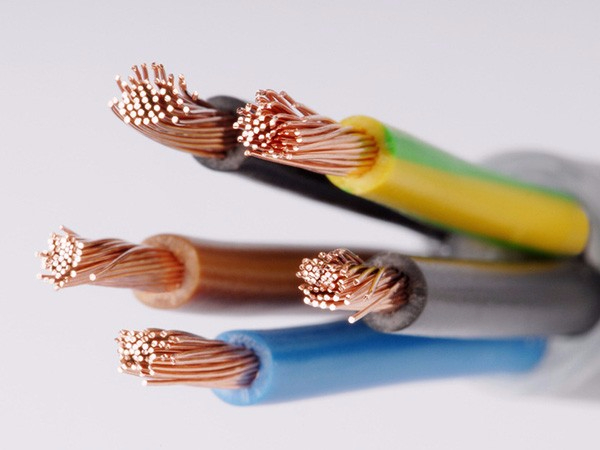
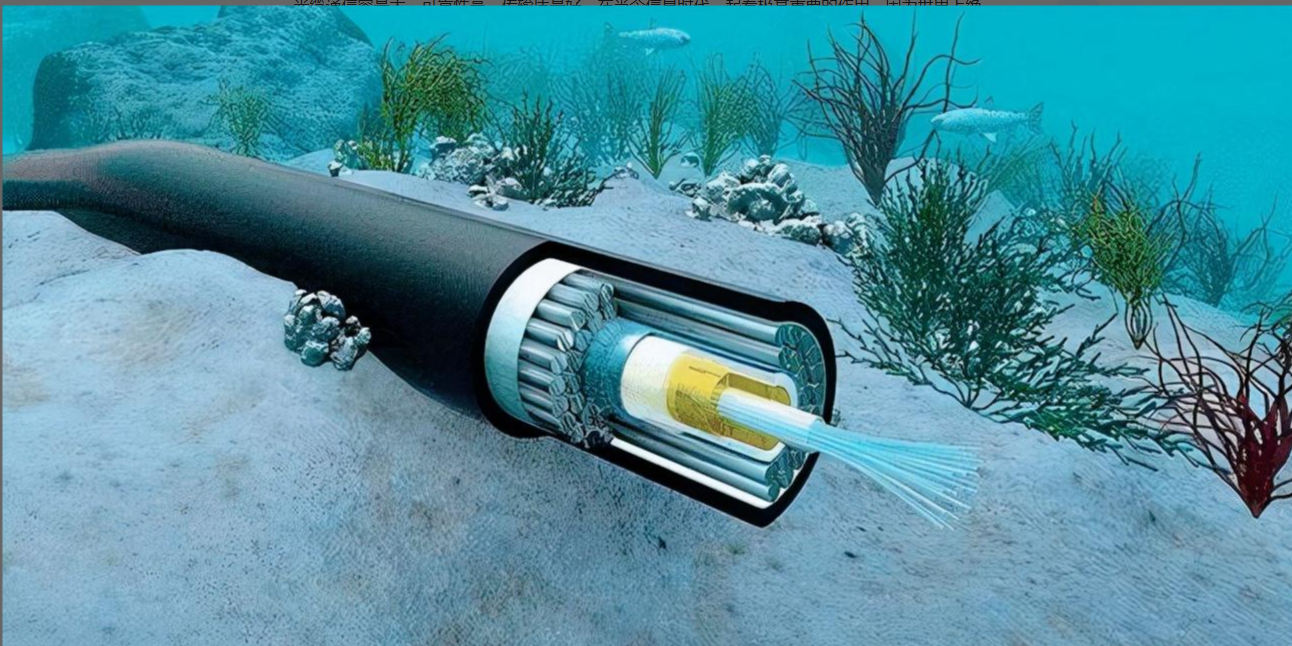
High-voltage power cables constitute engineered systems requiring meticulous design balance between electrical performance and physical durability. Weidong Cable's expertise spans oil-impregnated paper-insulated cables for historical grid upgrades and modern XLPE variants for compact urban installations. A reference project in Xinjiang's wind farm showcases our 35kV array cables with optimized conductor stranding reducing skin effect losses by 12%. These cables incorporate conductive LLDPE layers to maintain uniform electric field distribution across insulation interfaces. For industrial campuses with high fault current levels, our cables feature non-magnetic armoring to prevent eddy current heating. The company's quality control regimen includes impulse voltage testing simulating lightning strikes per IEEE 386 standards. Clients in earthquake-prone zones like Sichuan specify our cables with extra bending flexibility at joint locations. We offer forensic analysis services for cable failure incidents involving dendritic growth or water treeing phenomena. Technical seminars cover advancements in superconducting cable systems for metropolitan areas with space constraints. For budgetary quotations incorporating raw material price volatility clauses, please contact our risk management department. Manufacturing capabilities include vertical continuous vulcanization towers producing 220kV cables in continuous lengths exceeding 2km. Supply chain resilience is ensured through dual-sourcing strategies for essential raw materials like ethylene propylene rubber. Research collaborations with national laboratories focus on developing cables for ultra-high voltage direct current transmission. Field service teams utilize time-domain reflectometry for precise fault location in buried installations. Clients in semiconductor fabrication plants require electrostatic discharge protection through specialized semiconductor shields. Customized packaging solutions include anti-termite treated wooden reels for tropical regions. Installation engineering support includes finite element analysis for thermal rating optimization in congested ducts. For hybrid overhead-underground transition projects, specially developed anti-UV compounds prevent jacket cracking. Spare parts management programs ensure availability of sealing ends and potheads for emergency repairs. Training facilities feature full-scale cable pulling simulators for contractor certification. Digital twin technology enables predictive maintenance scheduling based on real-time dielectric loss angle measurements.