Home >
Flexible Mineral Cables Installation: A Practical Guide to Achieving Optimal Performance and Safety
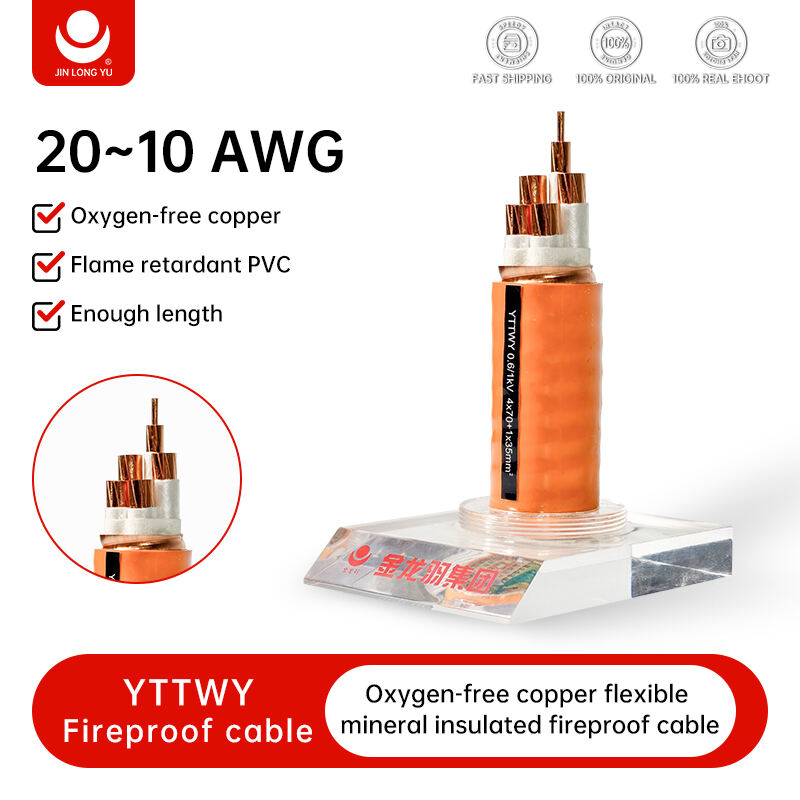
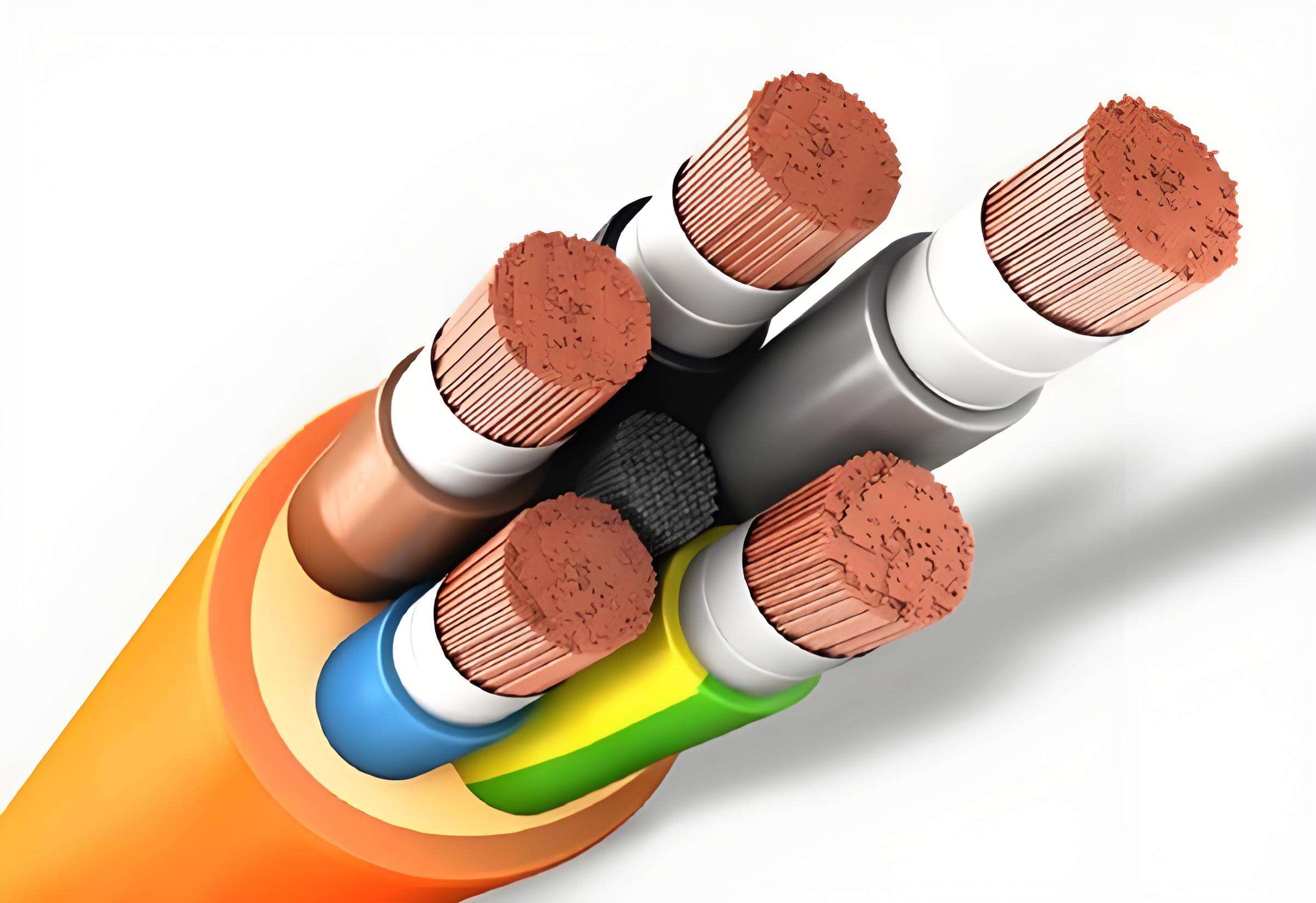
The superior fire resistance and longevity of Flexible Mineral Cables are well-established. However, their full value is only realized through a correct and proficient installation. As a leading supplier with the "Heshengtong" brand and a nationwide support footprint, Weidong Technology emphasizes that installation is not merely a procedural step but a critical phase that ensures system integrity. This guide outlines key professional considerations for planning and executing a successful Flexible Mineral Cables installation, highlighting how proper practices unlock the product's intended benefits.
Pre-Installation Planning and Handling: Successful installation begins long before the cable is pulled. Careful route planning is essential. While flexible, these cables have a minimum bending radius specified by the manufacturer (typically 6-8 times the overall cable diameter), which must be strictly adhered to prevent damaging the mineral insulation core. Storage and handling are also crucial. Cables should be stored off the ground in dry conditions. During handling, avoid dragging the cable across rough surfaces to protect the copper sheath. Unlike polymer cables, the ends of mineral cables must be sealed with provided end caps immediately after cutting to prevent moisture ingress into the hygroscopic insulation material. These preparatory steps, supported by our technical teams, set the stage for a smooth installation.
Installation Techniques and Best Practices: The installation process for Flexible Mineral Cables shares similarities with other wiring systems but has distinct requirements. The inherent flexibility allows for longer continuous runs and easier threading through pre-installed conduits or cable trays. Standard cable pulling grips can be used, but care must be taken to distribute pulling tension evenly and avoid sharp edges at entry points. It is recommended to use roller guides and a controlled pulling tension to prevent sheath abrasion or over-stressing. For vertical runs, adequate support at regular intervals is necessary to manage the cable weight. A key advantage during installation is the cable's robustness; it is less susceptible to damage from minor crushing or impact compared to many other cable types, providing a margin of safety on busy construction sites.
Termination and Sealing: The Most Critical Phase: The termination process is the most technically sensitive part of the installation. It requires the use of specifically designed compression glands and seals to create a watertight, gas-tight, and mechanically robust connection. The procedure generally involves: cutting the cable squarely, stripping the outer copper sheath to a precise length, fitting the gland components in the correct order, and finally tightening the compression assembly to form a permanent seal on the sheath. Proper tools and training are mandatory. An incorrect termination can compromise the fire barrier, allow moisture ingress leading to insulation degradation, and cause connection failures. We provide detailed instruction sheets and access to technical support for this very reason, ensuring your team can achieve perfect terminations that uphold the system's safety certification.
Testing, Commissioning, and Compliance: Post-installation, circuits should be thoroughly tested. Standard insulation resistance tests (megger tests) are performed to verify the integrity of the installation before energizing. For fire survival circuits, it is also critical to verify the earth continuity through the copper sheath, as this often serves as the circuit protective conductor (CPC). Documentation, including cable batch numbers, test results, and as-installed drawings, should be maintained for compliance and future maintenance. By following these structured steps—from planning to termination—installers can confidently deliver a system that leverages the flexibility of the cable for efficiency while guaranteeing the legendary fire safety and durability that defines mineral insulated technology. Our role is to be your partner throughout this journey, providing the quality products and the expert guidance needed for a successful outcome.

 EN
EN